
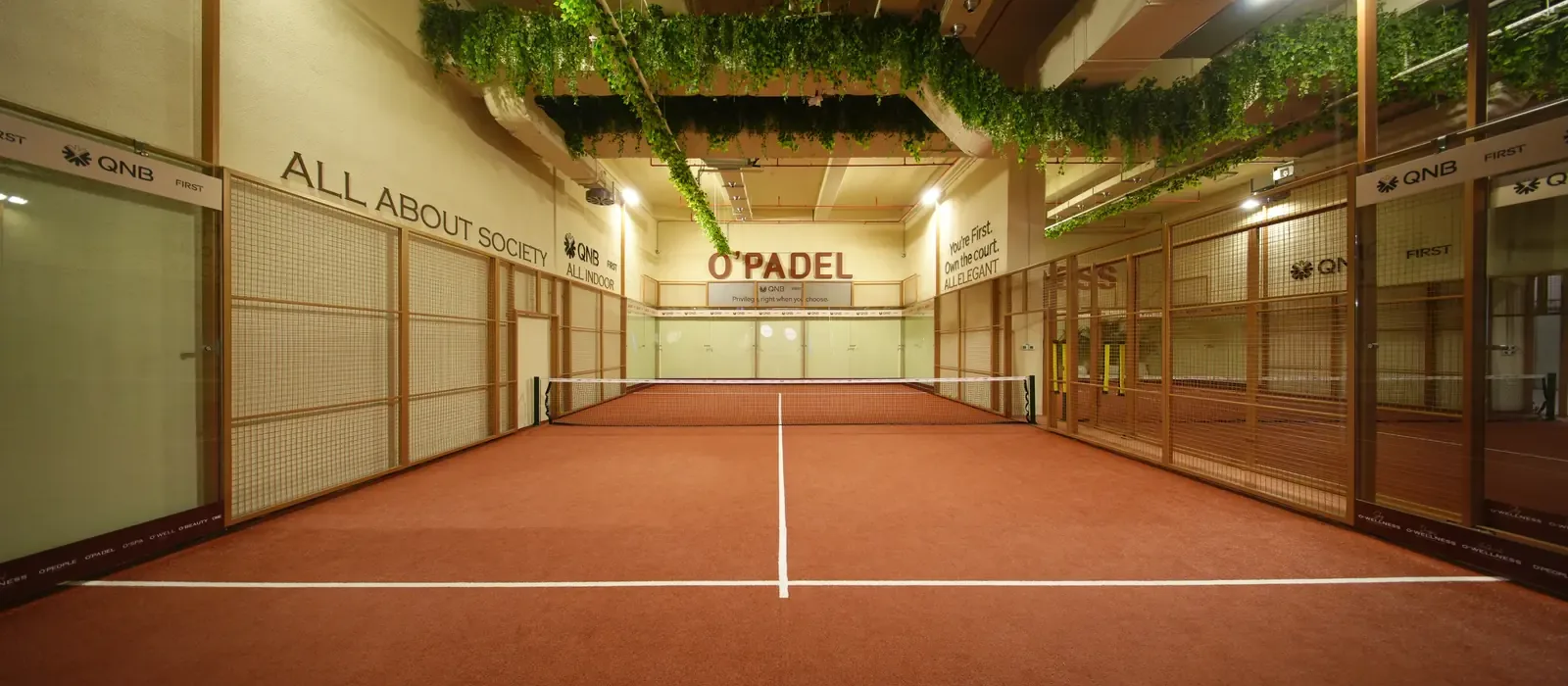
Her şehrin kendine özgü bir spor ritmi vardır ve Ankara’da padel kültürü de bu ritmin içinde şekilleniyor. Başkent; kamu ve özel sektör çalışanları, üniversite öğrencileri, akademisyenler ve ailelerden oluşan çeşitli bir nüfusa sahip. Bu çeşitlilik, kortlara farklı saatlerde, farklı beklentilerle gelen oyuncular anlamına geliyor. Bu yazıda Ankara’nın iklimi, gündelik düzeni ve sosyal dokusunun padel alışkanlıklarını nasıl etkilediğini genel gözlemlerle ele alıyoruz. Burada anlatılanlar kesin istatistikler değil, şehirde spor yapan insanların sık dile getirdiği eğilimlerdir.
The rhythm set by climate
Ankara's seasonal differences are clear: summers are dry and hot, while winters are cold and sometimes snowy. This directly affects the calendar of outdoor sports. People who pause outdoor sports in winter turn to indoor venues. Places with indoor courts can therefore be a steady meeting point for players during seasonal changes.
In summer, planning play by time of day becomes important. Many people prefer early hours or early evening. Preparing for the heat on an indoor court, drinking plenty of water, and reviewing clothing choices are useful for feeling comfortable. If you have any health concern, it is right to consult your doctor before exercising in hot periods.
Seasonal transitions create a rhythm too. Everyone returning to routine in autumn and the urge to go outside rising in spring also affect court occupancy. Communities plan their events with these swings in mind; for example, trials for newcomers in autumn and social tournaments at the end of winter.
The balance of heat and humidity is felt on an indoor court too; so drinking water regularly before and during play, choosing light clothing, and taking breaks is a wise habit. In winter, dressing in layers on the way to the courts and not neglecting the warm-up inside is necessary. These small adaptations make it easier to play regularly through the seasons.
Holidays, vacations, and school terms on the calendar also affect the rhythm. Court occupancy and attendance can change in these periods; so it helps to plan ahead and follow community announcements.
Work hours and evening padel
In Ankara, many people's daily order is built around work hours. For someone who works at a desk all day, exercising after work can be the most natural way to clear the mind and move the body. That is why heavy demand for courts in the evening hours is an expected situation.
Weekday evenings, the tempo of social padel is usually fast: short matches, quick rotations, and friends meeting after work. Weekend mornings carry a slower, family-focused mood. Parents coming with children, groups going on to a long brunch, or individuals wanting a calm workout may prefer morning hours.
These differences in rhythm require facilities and communities to be flexible. On the same court there can be a quiet lesson in the morning and a crowded social night in the evening. Both moods are part of the community and complement each other.
Some people may want short sessions at lunchtime too, but this is mostly possible for those with flexible working hours. In every case, what matters is building a padel routine that fits your own life rhythm.
Campus and the young population
Ankara is a city known for its universities, and its young population influences sports culture. Students and young academics meet padel as an audience open to new sports and eager to build a social circle. Campus life around Beytepe is a rich ground in this respect.
For students, padel offers a friendship space outside classes. Because it can be played with fewer people and less organization than team sports, it is a practical option. For academics, it can be a mental break after an intense work tempo. Different generations meeting on the same court adds richness to the community.
Another feature brought by the young population is organizing through social media and messaging apps. Many things such as match invitations, group building, and equipment tips circulate quickly on these channels. This lets new players reach the community easily.
This diversity creates richness on the courts in language and behavior too. People from different departments and cities bring their own habits and jokes to padel. Over time these become the community's shared language.
Families and multi-generational play
One of the striking aspects of padel in Ankara is its spread as a family-oriented sport. Because it can be played with children, spouses, or parents, families may choose padel as a weekend activity. The four-player structure makes it possible for two adults and two children, or two generations, to be on the same court.
This multi-generational play adds warmth to the sports culture. Grandparents watching their grandchildren, parents competing with children, and people of different ages sharing the same game strengthens the age-independent structure of the community. Of course the suitable level and intensity differ for everyone; those with doubts about their health should consult their doctors.
For families, facilities such as a play area around the court, waiting seats, or a calm lounge matter. At venues like O'Padel Beytepe in Beytepe, such environments can be counted among the elements that make the sports experience easier for families.
The everyday face of being a community
The everyday face of a padel community shows not in big tournaments but in small habits: foursomes who meet at the same time, tea after the match, a weekend breakfast together. In the city it is common for people to know each other through other ties as well, which can make these bonds easier to form.
This familiarity increases the warmth of padel communities. One player may be another's neighbor, colleague, or the parent of a child's classmate. In this way the court becomes a meeting point that strengthens existing social networks.
Community culture is also measured by how it embraces newcomers. For someone who has just moved to Ankara, courts can be one of the quick ways of building a new circle in the city. This inclusive attitude is an important element strengthening padel's place in the city.
In Ankara most communities work more like friendship networks than formal structures. This makes it easier for a newcomer to knock on the door: often it is enough to send a message and join a match.
What is expected in the future?
It is hard to say with certainty how padel will progress in the city, but community-focused growth seems reasonable to expect. As more people get to know padel, events appealing to different levels and interests may multiply. Women's groups, programs for young people, weekend sessions for families, and corporate events could be examples.
For this development to stay healthy, communities need to keep their inclusive, kind, and play-focused structure. The balance between competition and fun is padel's own charm. Communities that preserve this balance in Ankara will be the strongest in the long run.
Frequently Asked Questions
What are the busiest hours for padel in Ankara?
As a general trend, evening hours after work and weekend days can be busy. However, occupancy varies by facility and season; contacting the facility is the best way to get up-to-date information.
Why are indoor courts preferred in winter?
Because they allow play regardless of weather conditions, indoor courts make it easier to keep a regular routine on cold and snowy days.
I just moved to Ankara. Can I make a circle through padel?
For many people it is possible. Groups open to beginners and social match nights are practical ways of meeting new people. As a first step, you can talk to the facility and ask to be directed to a suitable group.


 Padel Courts
