
Çoğu ailenin ortak sorusu aynıdır: Çocuk ekrandan nasıl uzaklaştırılır ve gerçek hayatta hareket etmeye nasıl ikna edilir? Yasaklar kısa vadede işe yarasa da kalıcı çocuklarda hareket alışkanlığı ancak çocuk hareketten keyif aldığında oluşur. Bu yazı, ekran süresini cezalandırmadan azaltmaya yardım eden yaklaşımları, padelin bu süreçte neden iyi bir köprü olabileceğini ve ailenin gündelik rutininde yapılabilecek küçük değişiklikleri ele alıyor. Çocuğun gelişimine dair özel bir kaygınız varsa, çocuk doktorunuza danışmak her zaman doğru adımdır. Burada anlatılanlar genel önerilerdir; her çocuğun ihtiyacı, yaşı ve sağlık durumu kendine özgüdür.
Offer an alternative instead of a ban
When you take something away from a child without putting something in its place, a feeling of emptiness appears. Setting a limit on screen time may be necessary, but an appealing alternative should come alongside it. Saying "Tablet time is over, go outside now" can make movement feel like a punishment. Phrase it as "Shall we hit a few balls on the court this evening?" and movement becomes a reward.
It also matters that the alternative matches the child's interests. For children who love games and spending time with friends, social sports with fast feedback are more attractive. Padel has exactly those features: you get an instant result with every hit, the game is played together by nature, and even in the first session a child can enjoy getting the ball over to the other side.
Why padel can be a good bridge
In many racket sports, the first weeks demand patience; simply getting the racket to meet the ball is an effort in itself. In padel the racket is short, the court is small, and the walls keep the ball in play, so it is easier to rally early on. When a child manages a few rallies even in the first session, they feel 'I can do this,' and that feeling is the strongest source of the wish to come back. This quick feeling of success is an important source of motivation for children used to instant rewards on a screen.
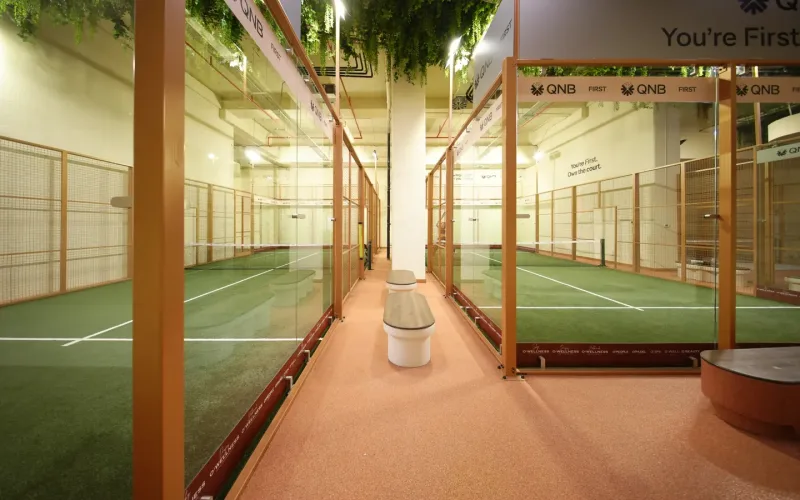
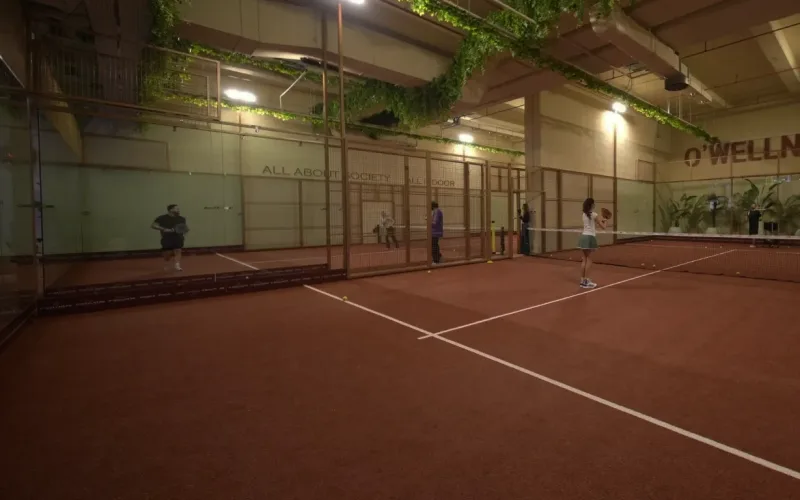
Padel is also a doubles game. The child is not alone; they stand on the same side as a friend, a sibling, or a parent. This social structure replaces a solitary experience in front of a screen with one full of friendship. Indoor courts also allow regular meetups regardless of the weather, which helps keep the movement routine from breaking, especially during Ankara's long winter months.
Building a routine in small steps
Habits form through small repetitions rather than big decisions. A new routine takes weeks even for an adult; expecting a child to do it perfectly from day one would be unfair. Patience, consistency, and a warm tone are the three cornerstones of this process. Instead of trying to get a child to exercise three days a week from the start, beginning with one short session a week is more realistic. The following steps show an order many families find helpful:
- Plan a short trial session with your child and focus on the experience rather than the result.
- Fix a particular day and time each week as "court day."
- Invite one of your child's friends or a sibling.
- Add a small ritual after the session, such as eating fruit together or having a short chat.
- Track progress not with numbers but with the question, "What did you learn this week?"
Missing a week or skipping a day when the child is reluctant does not ruin the process; what matters is returning to the same rhythm a few weeks later. This order is not a strict recipe; every child moves at a different pace. What matters is that the routine settles in as a smiling habit rather than a source of pressure.
Calm ways to manage screen time
While building movement habits, you also need to balance screen time. To do that, give your child clear and predictable rules. For example, deciding together in advance how much screen time there will be on court-day evenings reduces arguments. When a child takes part in making the rules, they are more willing to follow them. Putting the rules in a simple chart on the fridge works as a reminder and shows the child their own responsibility. When a rule is broken, a calm reminder instead of a punishment keeps the process healthier.
The adult's own behavior counts too. It is hard to expect a child to stay away from screens if you are on your phone at dinner. Spending time on court together, leaving the phone in the bag, and chatting after the match is one of the strongest ways to build a movement culture as a family. Children follow what they live, not what they are told. Going for a walk or a short game as a family once a week is often more instructive than laying down rules.
Keeping expectations realistic
The time it takes for a habit to settle varies from person to person, and comparisons are mostly misleading. That a neighbor's child adapted quickly does not mean yours is falling behind. Being patient as a family makes progress more peaceful. Not every child will fall in love with padel, and that is normal. The aim is not to turn a child into an athlete but to let them feel that movement is a natural part of their life. Padel is one option; a child might prefer swimming, cycling, or football. What matters is that the child feels safe while making their own choice. Giving up a sport is a learning process too; telling a child 'you tried and you learned this' encourages later attempts.
In the first weeks you may see reluctance, tiredness, or protests like "I don't want to go." Do not read this as failure. Give your child choices, even choose the day and time together; small bargains such as "Shall we play two games and then leave this week?" protect commitment. Starting in a family-friendly environment like O'Padel Beytepe can help a child adapt more easily by seeing other adults and children around.
Together with siblings and friends
One of the strongest factors in movement habits is peer influence. Children are drawn to what their friends do; if a friend plays on court, they want to try too. For that reason, including one of your child's close friends or a sibling in the sessions can raise motivation at once. When two children learn together, making mistakes also becomes less embarrassing; laughing together weighs far less than failing alone.
When several children are together, setting up small team games also helps. Keeping competition mild, putting cooperation ahead of the score, and letting everyone take turns with different partners strengthens the group's bond. As parents, you can offer support from the side in this setting, meet other families, and become part of a small community where children grow up together.
Frequently Asked Questions
What if my child refuses sport because of screens?
Spark their curiosity instead of forcing. A short trial session, going with a friend, or linking it to an activity they already like can be a first step. If the resistance continues, getting expert advice is also helpful. Sometimes shyness, fatigue, or another worry lies behind the reluctance; listening to the child is half the solution.
How many days of movement a week is enough?
There is no single answer that suits everyone. It varies with the child's age, health, and interest. Getting general recommendations from your pediatrician and making a regular, sustainable plan is the healthiest route.
Is it a problem if I choose another sport instead of padel?
No. The form of movement the child enjoys and can sustain is the right choice. With its social, fast-feedback structure, padel is just one of the options that suit some children well.



 Padel Courts
