
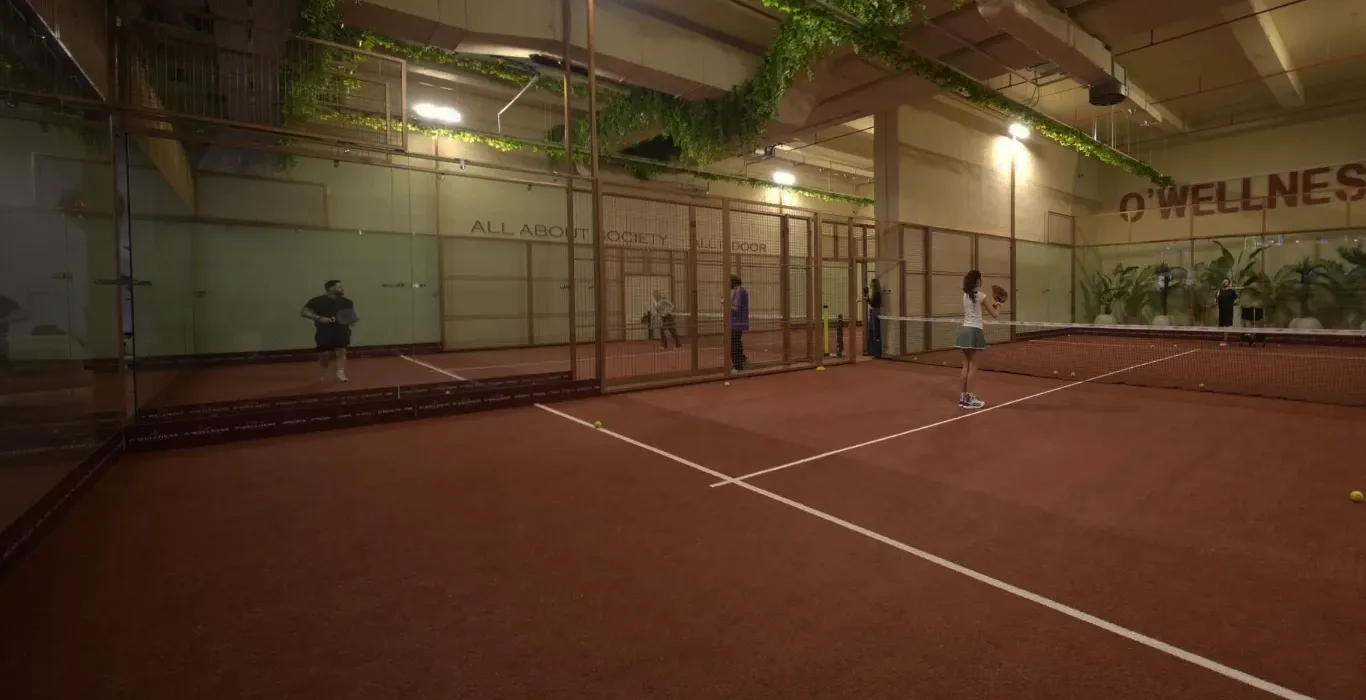
Kuşaklar arası padel, bu sporun en güzel yanlarından biridir. On altı yaşındaki bir genç ile elli beş yaşındaki bir deneyimli oyuncu aynı tarafta durabilir, birlikte gülebilir ve birbirinden öğrenebilir. Birçok spor dalında yaşa göre ayrılmış kategoriler esastır; padelde ise sınır daha yumuşaktır. Çünkü oyun, saf güçten çok yerleşim, zamanlama ve iletişime dayanır. Yine de yaş farkı olan oyuncuların aynı kortta buluşması, doğru yönetilmediğinde yanlış anlaşılmalara yol açabilir. Bu yazıda farklı kuşakların aynı dörtlüde uyumlu oynamasının yollarını, olası pürüzleri ve ortaya çıkan zenginliği ele alıyoruz.
Why is cross-generational pairing valuable?
Players of different ages bring different things to the court. The young player offers speed, energy, and courage; the experienced player offers positional knowledge, patience, and game-reading skill. When these qualities complement each other, a whole emerges that is stronger as a team than individual players.
The social value of this pairing is also large. People who don't meet in the same circles in daily life focus on the same goal on court. A university student and an academic, or a high-school student and a businessperson, playing in the same foursome puts different perspectives side by side. Such encounters often turn into conversations, advice, and even mentor-like relationships.
The third value is its contribution to community culture. A community that crosses age boundaries gives the impression of embracing everyone. If a newcomer worries about not finding a place for their age, seeing examples of cross-generational play gives them confidence.
This diversity enriches the community's shared memory too. People from different generations bring the sports stories, memories, and humor of their own eras to the side of the court. This sharing turns sport from merely an activity into a cultural meeting.
Possible snags
Not every pairing goes smoothly. Young players sometimes see more experienced players as "slow" and act impatiently. Experienced players may find the young "hasty" and criticize them. These prejudices mostly dissolve in real play, but can create tension in the first moments.
The second snag is physical differences. Speed, endurance, and recovery time can vary with age. When one partner tires, the other needs to adjust the tempo. It is important to proceed in this without judgment, simply accepting differences in capacity. Anyone with doubts about their health should consult their doctor before entering intense play.
The third snag is communication styles. Young people generally communicate in short, fast bursts; more experienced players may prefer detailed talk. This difference can be settled at the start with a simple question like "How would you like me to address you so you're comfortable?"
A fourth snag is feedback style. Young people may be used to speaking directly; experienced players to softer expressions. When choosing how to phrase a sentence, it is enough to observe which tone the person opposite is comfortable with. A small courtesy creates great harmony.
Tips for harmonious pairing
The following steps help when setting up a cross-generational foursome:
- Seviyeyi yaştan önce düşünün. Yaş yerine oyun seviyesine göre eşleştirmek, adil maçlar sağlar.
- İlk beş dakikayı sohbete ayırın. Birbirinizi tanımak, kortta ortak dil kurmayı kolaylaştırır.
- Tempoyu birlikte belirleyin. Maçın hızı konusunda herkes fikrini söylesin.
- Rolleri esnek tutun. Genç oyuncu hızlı toplara, deneyimli oyuncu pozisyon oyununa yönelebilir.
- Birbirinizi övün. Güzel bir vuruşu yaşa bakmaksızın takdir etmek, bağı güçlendirir.
These steps are not a strict formula. Every foursome has its own chemistry, and the most suitable arrangement is found over time. What matters is that everyone feels like a respected player.
In rotating games, everyone pairing with everyone is the most effective way to reduce age prejudices. After pairing with a player once, most people see that age does not determine playing quality. Putting development and enjoyment at the center makes pairings healthier.
Learning from each other
The greatest gift of cross-generational play is mutual learning. Young players learn tactical thinking by watching the calm and clever play of the experienced. They discover where to place the ball, when to wait, and how to stay calm under pressure by watching.
Experienced players learn from the young as well: new stroke attempts, bold choices, and energy in approaching the game. This energy can bring a fresh breath to someone who has played the same routine for a long time. Hearing about technology, equipment trends, and new training methods from the young is often useful too.
For learning to be healthy, there is one condition: don't try to teach. An attitude of "Let me show you how you should play" pushes the other side into defense. Instead, a sentence like "I do it like this, maybe it helps you" turns learning into an invitation.
Another way of learning from each other is the after-match chat. Asking 'Why did you play that ball like that?' over tea or coffee feeds mutual curiosity. The answers are often unexpected and instructive.
Cross-generational play within the family
The warmest form of cross-generational padel is lived within the family. Grandchild, parents, and grandparents being on the same court is a rare and valuable experience. The four-player structure lets pairs from two generations play side by side. In such a match, the time spent together matters more than the score.
In family matches it is necessary to accept physical differences and make the game suitable for everyone. Soft balls, short sets, and frequent rest breaks let all ages play comfortably. The moments when grandparents touch a racket for the first time live long in the family's memory. Of course, before starting this kind of play, it is important to talk to a doctor about health status.
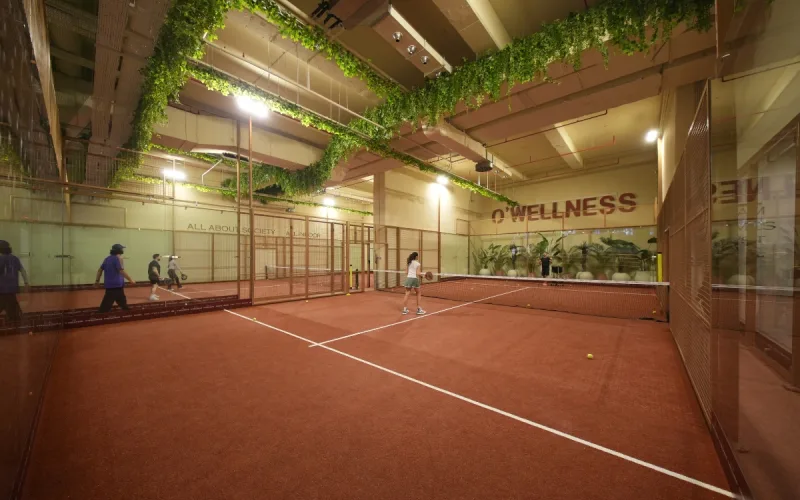
In a family-friendly environment like O'Padel Beytepe in Beytepe, a suitable ground can be found for different generations to spend time together. The indoor court and nearby lounge area let adults watching feel comfortable too.
In family matches, to keep older members from feeling like a burden, it is important to make their roles dignified. Roles such as score keeper, strategy advisor, or team captain allow participation in different forms.
Supporting it as a community
There are a few simple things communities can do to support cross-generational play. Pairing by rotation at social nights lets people of different ages naturally play together. Using the phrase "open to players of every age" in event announcements keeps the door open to both the young and the more experienced.
Also, senior players warmly treating newcomers and the young approaching elders with respect keeps community culture healthy. In this culture age is seen not as a barrier but as richness. In this way padel becomes not just a sport but a social space where generations meet.
In conclusion, age is not a barrier but a dimension that enriches the court. Every foursome that approaches with respect, curiosity, and flexibility enjoys the pleasure of bringing together people from different stages of the same game.
Frequently Asked Questions
How should I approach an experienced player as a young player?
Be respectful and curious. Asking questions, learning from their experience, and appreciating their contribution to the game strengthens the relationship.
I'm older. Will I struggle if I play with younger people?
When level and tempo are compatible, you may not have problems. Speaking openly about tempo and listening to your body is important; if you have a health concern, consult your doctor.
Where should I start to build a cross-generational group?
Organizing a level-based social night and inviting players of all ages is a good start. Pairing by rotation makes natural introductions easier.



 Padel Courts
