
Bir padel topluluğunu güçlü kılan şey, çoğu zaman kortta oynanan puanlar değil, kortun hemen ardından yaşanan maç sonrası sohbet anlarıdır. Terli tişörtlerle bir masada oturmak, bir bardak su ya da kahveyle az önceki rallileri tekrar anlatmak, insanları birbirine bağlayan görünmez bir dokudur. Bu anlar planlanmadan başlar, fakat bilinçli olarak desteklendiğinde topluluğun karakterini belirler. Bu yazıda maç sonrası sohbet ritüelinin neden değerli olduğunu, nasıl başlatılabileceğini ve yeni gelenleri bu ritüele nasıl dahil edebileceğinizi anlatıyoruz. Önerilerin hiçbiri büyük bir bütçe ya da organizasyon gerektirmez.
Why do five minutes matter so much?
Sport brings people into a shared experience, but for that experience to become a bond, it has to be shared. When everyone packs their bag and scatters as soon as the match ends, the feelings from the court stay in the air. When you sit and talk, the same events turn into a shared story: the sentence "What did we do in that rally?" creates a memory to laugh at again at the next match.
A five-minute chat is also good physically. Rather than stopping suddenly right after the match, calming down slowly, drinking water, and sitting gives the body a transition time. If you feel any discomfort you should consult your doctor, but for a healthy person a short rest and chat is often soothing. The chat also softens the sense of competition built up on court and lets everyone leave smiling.
In community psychology, such short rituals are known as a strong factor that increases commitment. People want to return regularly to a group as long as they feel they belong to it. Padel being a doubles game already makes this bond easier; the ritual makes it lasting.
If there is no suitable seating area near the court, a walk can be the ritual too. Walking to the parking lot together after the match is enough for even a few minutes of nice conversation. What matters is not the place but the small time spent together.
Simple ways to start the ritual
You don't need a big plan to start a ritual. The following small steps are enough for most groups:
- Sabit bir yer belirleyin. Kortun yanındaki bir masa ya da lounge köşesi, “bizim yerimiz” olabilir.
- Kısa bir süre ayırın. On beş dakikalık bir oturma bile yeterlidir; uzun olması gerekmez.
- Birlikte bir şey için. Su, çay, kahve ya da hafif bir atıştırmalık, sohbeti başlatan ortak bir nesne olur.
- İlk soruyu siz sorun. “Bugün en çok neyi sevdin?” gibi bir soru, sessizliği kırar.
- Telefonu bırakın. Birkaç dakika ekrana bakmadan oturmak, sohbeti gerçek kılar.
These steps are examples, not strict rules. Every group has its own atmosphere, and the ritual should take shape accordingly. What matters is that it becomes a habit when repeated.
It is also important that everyone has an equal say at the chat table. A table where the same people always talk pushes the rest into silence. Asking a quiet person a direct but gentle question draws them into the conversation. A table where nobody feels invisible is the community's best advertisement.
Topics to talk about
You don't need to plan what to discuss in after-match chats, but some topics make it easier. The game itself comes first: a nice point, an unexpected save, or a funny mistake. When these are told for sharing rather than judging, they relax everyone.
Then you can move to more personal subjects: weekend plans, places to go in Ankara, children, work, or travel. These chats let you discover that someone you know from court is an interesting person off it as well. Staying away from sensitive topics, especially politics or personal criticism, keeps the atmosphere comfortable for everyone.
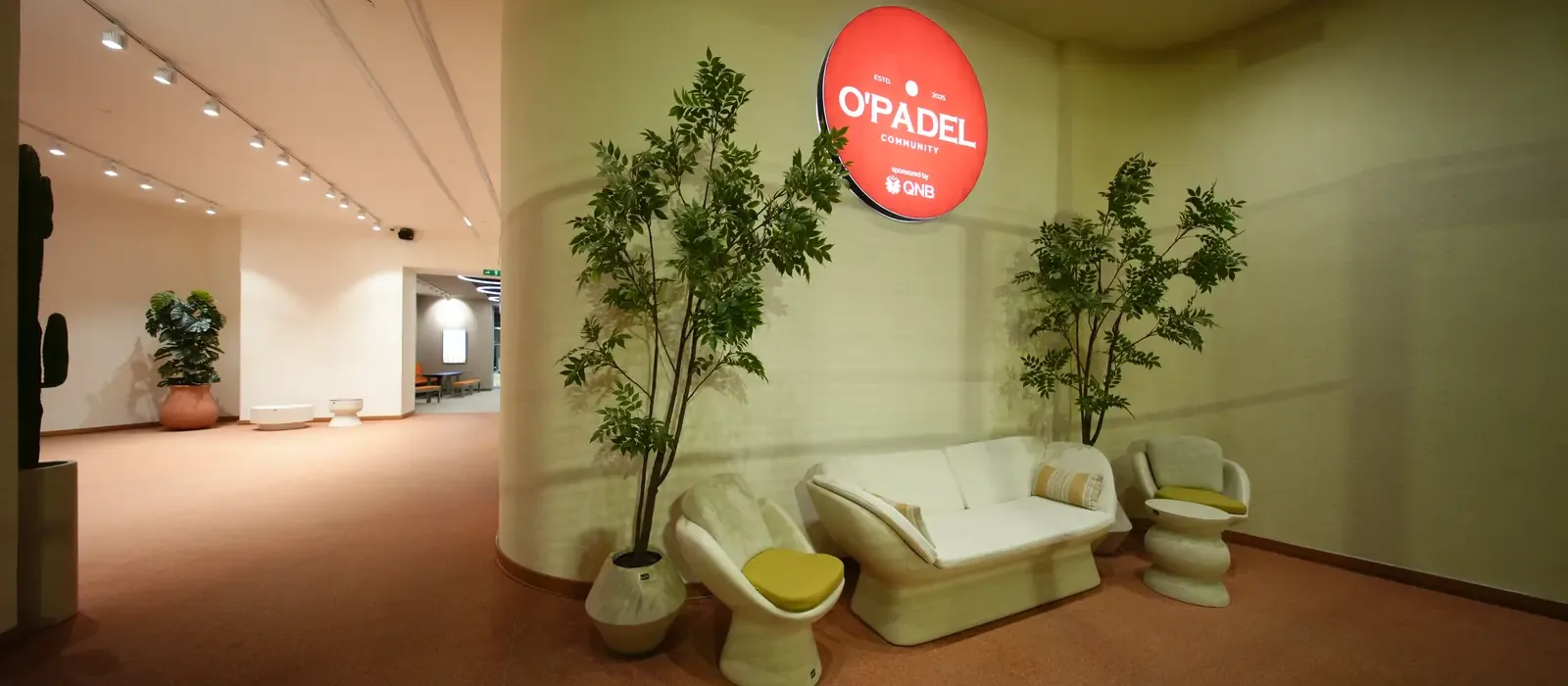
Future plans are a nice subject too: sentences like "Same time next week?" or "Shall we enter a tournament together?" strengthen the group's continuity. At places with a lounge area, like O'Padel Beytepe in Beytepe, such plans are easily made at the table.
It is also nice to remember small details from weekly chats. Remembering things like someone's child's name, a friend's upcoming trip, or a player's new racket gives the message 'you matter to me.' This attention quietly grows the warmth of the community.
A culture of thanks and appreciation
In strong communities, small thank-yous matter a great deal. A short thanks to the person who took on the organizing, the friend who arranged the court, or the player who brought the balls shows that effort is noticed. This visibility keeps volunteers from giving up.
Appreciation can go not only to the organizing but also to the game. Praising an opponent's good shot, mentioning a partner's rescue of a hard ball, or noticing a newcomer's improvement keeps the community culture warm. Such sentences cost nothing but their effect lasts.
If criticism is to be made, it should be done one-to-one and kindly, not at a public chat table. The table is a place where everyone should be comfortable; it should not be somewhere anyone's mistakes are discussed.
Small gestures often speak louder than words. Helping a friend gather their things, holding the door while walking beside them, or offering a bottle of water brings the community closer to a warm family feel. When you notice these behaviors, don't hesitate to return them.
Including newcomers
The most valuable function of the ritual is bringing newcomers into the group. When someone new finishes their match and starts packing their bag, saying "Would you have a drink with us?" is often the first step in their bonding with the group. The invitation itself carries the message "you belong here."
Ask the newcomer easy questions at the table: where they are from, how long they have played, which hours they are free. When telling jokes or inside stories specific to the group, adding short explanations so as not to leave out those who don't know them is a good attitude. That way no divide between "insiders" and "outsiders" arises.
A shy person may not want to join the chat, and that is acceptable too. Without insisting, leaving the door open is enough: "We'll wait for you next time if you like." This kind attitude makes it easier for the person to join the group when they are ready.
A newcomer usually starts speaking more easily by themselves after one or two rituals. Give this transition time and don't rush them. Often the person who starts out quietest becomes one of the warmest members of the group over time.
Keeping the ritual alive
Any ritual can become monotonous over time. A change now and then keeps it alive: a shared breakfast once a month, a small get-together at a change of season, or celebrating a friend's birthday. These don't have to be big events; small moments a few people enjoy together are enough.
A ritual loses its value if it becomes an obligation. Not everyone can stay every time, and that is normal. What matters is that those who want to stay always have a place and a warm welcome.
Frequently Asked Questions
How many minutes is enough for an after-match chat?
Usually ten to fifteen minutes is enough. Extending the time is not mandatory; what matters is having a regular, relaxed moment.
Is it a problem if I don't want to join the chats?
No. Everyone's preference is different. Joining sometimes and being on your own other times is fine; what matters is that the door is always open.
How do we stay away from controversial topics in the group?
Steering the conversation toward the game, shared memories, and future plans is the easiest way. If a subject becomes tense, kindly changing it protects the atmosphere.



 Padel Courts
