
Padel for desk workers is both a great way to release stress and a sport that needs careful approach. Starting sudden changes of direction, jumps and smashes straight after eight or nine hours of sitting can catch the hips, back and shoulders unprepared. This article is not medical advice; its aim is to share general tips that help players who come to O'Padel Beytepe after work and spend the day in front of a screen to start more safely and enjoyably. If you have pain or an ongoing problem, be sure to consult a doctor or physiotherapist.
What long sitting does to the body
Sitting for long periods shortens the hip flexors, leaves the muscles behind the hips sluggish, pushes the shoulders forward and rounds the upper back. Considering that padel is a sport demanding hip mobility, a strong trunk and shoulder stability, it becomes clear why the difference between office posture and playing posture matters. This is not a flaw but simply a starting point that needs preparation.
Mental fatigue built up over the day can also affect reaction time and attention. A tired mind means reading the ball late and catching the body in the wrong position. For this reason a warm-up should serve not only as a physical but also as a mental transition.
Mini movement breaks during the day
Preparation for the evening match actually starts in the afternoon. Standing up for two or three minutes every hour and moving the hips and shoulders keeps the body dynamic. A short walk, using the stairs or light stretching between meetings makes the transition to the court in the evening much easier.
- While standing, do a light lunge position that opens the front of the hip (hip flexor stretch).
- Roll the shoulders backwards in circles and open the chest area.
- Stand up every hour and walk a few steps to wake up the leg muscles.
- Move the neck and upper back slowly; avoid sudden or forceful movements.
The first 10 minutes on court: dynamic warm-up
On court, starting with dynamic movements is more appropriate than static stretching. Light jogging, side steps, hip circles, leg swings and shoulder circles prepare the body gradually. Then playing mini rallies with gentle strokes engages both the muscles and hand-eye coordination.
Instead of entering the first points at full power, raise the tempo deliberately. Focus for the first five or six minutes only on the ball settling and your footwork opening up. Start shoulder-loading shots such as smashes and high lobs more controlled, once the warm-up is complete. This approach prevents the tightness that office-to-court players experience most often.
Strength and mobility: small weekly investments
A short strength and mobility routine done twice a week clearly supports padel performance. Movements that work the hips such as glute bridges, trunk stability exercises and light shoulder exercises help reduce the imbalances created by long sitting. These routines do not have to be long; a regular 15-20 minute plan is often enough.
If you are not sure how to do these exercises, learning correct form from a coach or physiotherapist is the safest route. In lessons we also see that many technical errors actually come from restricted movement; so mobility work can improve shot quality too.
Increase the load gradually
For a beginner working an office schedule, the most common mistake is playing too often and too intensely in the first weeks. The body needs time to adapt at both muscle and tendon level. Starting with one or two matches a week and increasing gradually is the simplest way to prevent overload-related discomfort.
Light muscle soreness the next day is normal, but sharp, persistent or joint-related pain is a warning. In that case rest and see a specialist if necessary. Sleep, water intake and balanced nutrition are part of this process too; in periods when work gets busier you can adjust play intensity accordingly.
Points of attention for shoulders, back and hips
The three regions most often seen in office workers are the shoulders, lower back and hips. Because the shoulders drop forward at the computer, range of motion can stay limited on overhead shots such as the smash and bandeja; the lower back or wrist then starts doing extra work instead of the shoulder joint. Starting shots smaller and more controlled, then widening the movement as the body warms, reduces this problem.
For the lower back, rotation should come from the hips and trunk. Rotating only from the lower back can create fatigue in repeated shots. The hips must be flexible for wide steps and lowering; a player with tight hips increases the load on the knees and back. For this reason hip mobility work is not a side task but one of the basic parts of the game.
Eyes, neck and reaction after screen time
Eyes that have looked at a screen all day can feel a little slow in the first minutes when focusing on a small, fast-moving ball in an indoor court. Looking into the distance for a few minutes before the match, moving your eyes by following the ball and gently loosening the neck make this transition easier. Think of the first minute of the warm-up rally as a visual adjustment period.
Be patient with yourself; in the first weeks the reaction feel may not be complete. As you play regularly, mind and body adapt to each other. When you feel short-term fatigue, do not hesitate to take a break or slow the game; a lasting habit is worth far more than a single intense evening.
Resetting office fatigue after the match
When the match ends, jumping straight into the car and sitting down puts the body back into a cramped position. A few minutes of walking, light stretching and drinking water let the muscles return gradually to normal. Getting up and moving now and then while sitting at the desk the next morning also helps recovery; this way sport and the working day turn into complementary rhythms.
The biggest advantage of friend groups who play on weekday evenings is that they motivate each other. Warming up together, stretching together and chatting for a few minutes afterwards strengthens both the social bond and the healthy habit.
Planning an after-work court session
Being on court after work can sometimes be hard because of traffic and tiredness. Setting a regular time, building a fixed group with partners and planning the court in advance is therefore the best way to maintain motivation. Treating exercise like an appointment lowers the chance of postponing it.
Padel is a social sport that pulls the mind away from the work agenda, and the people who feel this effect most are exactly desk workers. Do your preparation, raise the tempo gradually and enjoy it. We are waiting for you on the courts of O'Padel Beytepe after work.


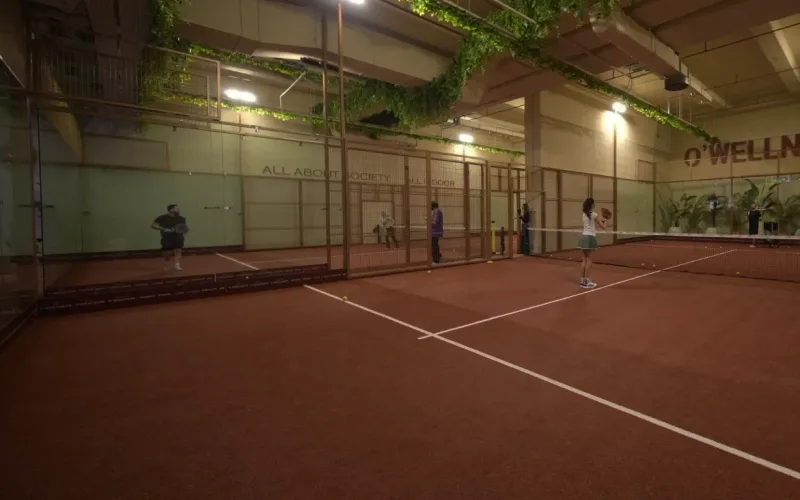


 Padel Courts
