
Proper padel racket caregreatly extends how long your racket keeps its performance. Protecting it from temperature swings, shielding the frame from impacts and storing it correctly can make an investment of a few hundred grams serve you for years rather than months.
In this article we explain ten practical ways to help extend your racket's life and the care advantages the indoor court environment at Beytepe provides.
Why Does Care Matter So Much?
Although a padel racket is designed for hundreds of shots and repeated impacts, it is not infinitely durable. A process called material fatigue builds up at a microscopic level over time in composite materials such as carbon fibre and fibreglass and eventually shows up as a loss of performance. Proper care is a process that slows this build-up but can't stop it completely.
A racket whose care is neglected can lose performance much earlier than a well-maintained racket bought at the same price. In the long run this means replacing rackets more often, which is also an unreasonable outcome for your budget.
1. Protect It from Extreme Heat
Leaving your racket in a car boot that has sat in the sun, or under direct sunlight, gradually damages the structure of the core and surface material. High temperatures can cause the EVA foam to lose its flexibility and weaken the resin bonds. Always carrying your racket in a shaded, cool environment is the simplest but most effective care step.
2. Avoid Extreme Cold Too
Extreme cold can harm racket material just as much as heat. Rackets left for a long time at temperatures near freezing can become more brittle. In winter, instead of leaving your racket bag in the car outdoors, it is safer to store it indoors if possible.
3. Use Frame Protector Tape
The racket's frame is the area that wears most when it touches the ground or another racket. Protector tape shields this area from impacts and friction and delays the formation of micro-cracks. When you notice the tape wearing, renewing it is a far cheaper solution than replacing the racket itself.
4. Avoid Clashing Rackets Together
Although clashing rackets with your partner to celebrate a point is an enjoyable habit, these repeated impacts can cause micro-cracks in the frame over time. Celebrating by hand instead is a simple way to protect your racket's life. Even when you watch professional players celebrate during matches, you may notice they generally avoid hitting their rackets together; this is no coincidence but a deliberate equipment-protection habit.
5. Spot Loss of Stiffness Early
Softening that develops on the racket's surface over time is felt as a loss of power at ball contact. Noticing this sign early helps you decide when the racket should be replaced. This topic our article on when to replace your racket .
6. Look After Your Grip Properly
The racket's handle grip becomes slippery over time because of sweat and friction. A slippery grip both lowers your performance and increases the risk of the racket slipping out of your hand, falling and taking an impact. Cleaning the grip regularly or replacing it when worn is important for both comfort and safety.
7. Avoid Exposure to Moisture and Humidity
Keeping the racket shut for a long time in a damp bag after heavy sweating or playing in wet weather can cause the material to deteriorate over time. Wiping the racket with a dry cloth after the match and airing out the bag prevents moisture build-up. Humidity is almost never a problem on the indoor courts at Beytepe, which means the racket is under less stress in this respect. Even so, after an intense session, letting the racket you held with sweaty hands air-dry for a few minutes before putting it in its cover can be a useful extra precaution.
8. Use a Proper Cover or Bag
Throwing the racket without a cover straight into your sports bag with other items can cause the frame to take impacts. Using a padded racket cover or a thermally insulated bag protects against both temperature changes and physical knocks.
9. Check Your Racket at Regular Intervals
Inspecting the racket's surface, frame and grip once a month lets you notice small problems before they grow. When you see a scratch on the surface, the start of a crack in the frame or excessive wear on the grip, acting early extends the racket's useful life.
10. Play with the Right Racket on the Right Surface
Using your racket on a surface you don't normally play on (for example, test hits on concrete or asphalt) can cause unexpected wear on the frame. Always using your racket on the padel court surface it was designed for protects both its performance and its lifespan.
The Relationship Between Care and Material Type
Carbon-heavy rackets can be slightly more fragile against impacts than fibreglass-heavy ones; for this reason, players using carbon rackets are advised to be more careful with frame protector tape and with how they carry the racket. Although fibreglass-heavy rackets tolerate small knocks better thanks to their flexibility, neglecting care entirely still leads to a loss of performance. For more information on material differences, carbon or fibreglass for more.
Care Differences for Kids' Rackets
Rackets made for children are lighter and usually made from more economical materials, so they are a little more forgiving on care, but the basic principles are the same. Teaching the young players in O’Padel Beytepe's kids academy programme the habit of checking their rackets regularly and storing them correctly from an early age both extends equipment life and instils a sense of responsibility.
Rather than trying to apply all ten points at once, it is more sustainable to adopt a few right away and add the rest to your routine over time. For example, check your frame protector tape this week and review the condition of your grip next week; this gradual approach turns care from a burdensome chore into a natural habit.
How Beytepe's Indoor Court Environment Helps with Care
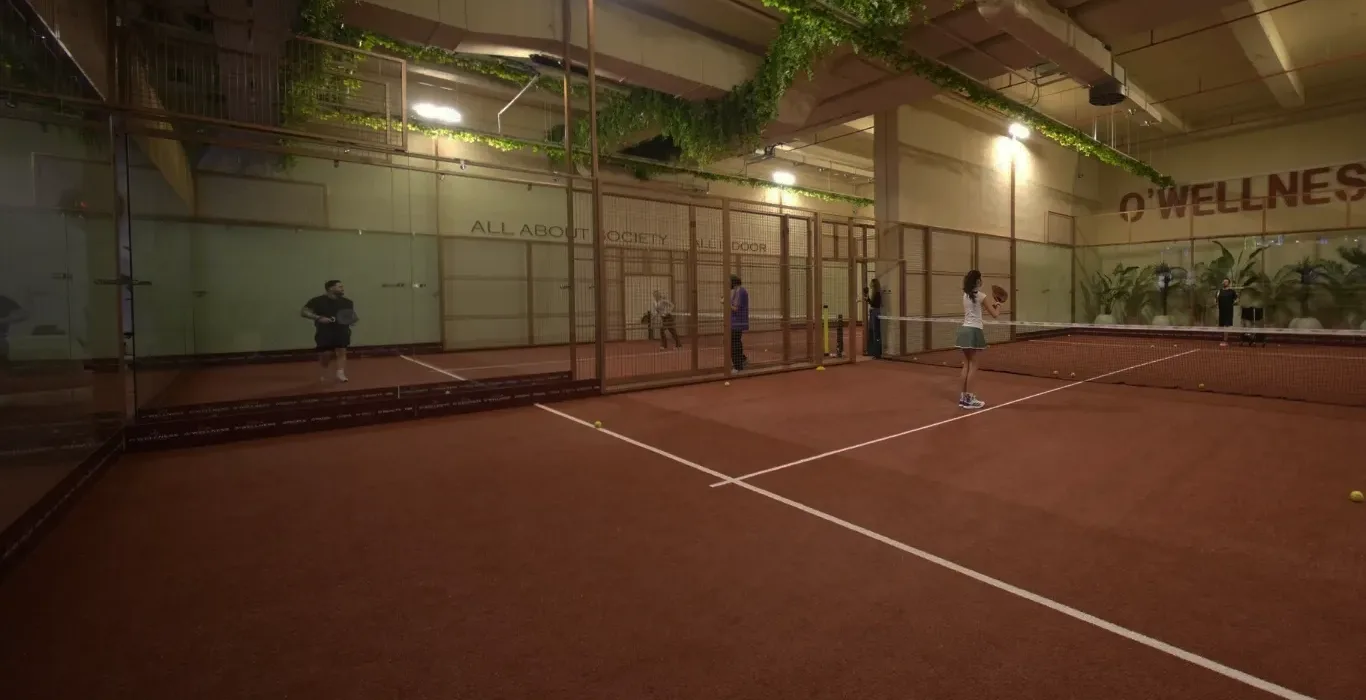
In O’Padel Beytepe's indoor, climate-controlled courtsoffer a significant advantage for racket care. Constant temperature and humidity remove the sudden swings that damage the racket's material structure. Players who play on outdoor courts in extreme summer heat and winter cold may see their rackets lose performance faster over time, while in an indoor facility this risk is greatly reduced.
When Should You Change the Grip?
How often grip tape needs replacing depends on how much you play. For a player who plays several times a week, the grip should generally be renewed every two to three months. Slipperiness on the grip surface, fading colour or reduced tackiness are signs that it is time to change it. Fitting a new grip takes a few minutes and costs very little, but it contributes directly to the quality of your game.
Another overlooked detail is forgetting your racket bag in a closed cupboard or boot for a long time. In closed, unventilated spaces, moisture build-up can over time harm both the racket and the other equipment in the bag. Airing out your bag at regular intervals is a simple but effective habit.
No Strings: A Padel Advantage
Unlike tennis rackets, padel rackets have no string tension to adjust; this makes padel simpler than tennis in terms of care. But this convenience shouldn't be an excuse to neglect the other care rules; frame and surface care is at least as important in padel as in tennis.
Packing Your Racket Bag Properly
If you also put balls, a towel and a water bottle in your racket bag along with the racket, make sure they sit in separate compartments so they don't touch the racket directly. Hard objects constantly pressing on the racket surface can lead to surface deformation in the long run.
When carrying your racket, keeping your bag steady and balanced where possible, rather than slinging it over your shoulder like a backpack, also reduces the risk of impacts. Being careful about the racket getting squeezed and bent in the bag, especially on public transport or in crowded places, helps prevent frame deformation in the long run.
The Advantage of Owning Two Rackets
For players who play regularly and competitively, having a second racket both provides a backup if one racket is damaged and spreads the usage load of the primary racket, extending its life. This is a practical safeguard especially for players who enter tournaments; an unexpected crack in the middle of a match lets you carry on without disrupting the game, thanks to the spare racket.
Thinking About Ease of Care When Buying a New Racket
When choosing a racket, it can be useful to look not only at performance features but also at whether it has a construction that is easy to maintain. We covered this topic together with the general selection criteria guide on how to choose a padel racket .
Care Routine for Your Tournament Bag
On tournament days when you play several matches, you may need to pass your racket from hand to hand often and put it down on different surfaces. On such busy days, always keeping the racket in its bag or on a clean surface instead of leaving it directly on the floor reduces the small knocks that build up over the day. On busy days such as the Americano tournaments at Beytepe , this simple habit can make a difference.
Preparing for a New Season: The Annual Check
When you are starting the padel season or returning after a long break, it is a good habit to inspect your racket thoroughly. Renew the grip, check the frame protector and look for any noticeable wear on the surface. This annual check prevents the need for an unexpected racket replacement mid-season.
Getting Care Advice from Coaches
If you're just starting padel lessons, players who take part regularly can get care advice tailored to their own rackets from their coaches. For players who play a lot in particular, coaches can give early warnings about when a racket may need servicing.
Once you have settled your care habits, you can turn them into an automatic routine that takes a few minutes after each session: quickly check the racket before putting it in its cover, review the grip, and briefly inspect the frame. This small step makes a difference to both your budget and the quality of your game in the long run.
Conclusion: Small Habits, Long Life
Padel racket care is not a complicated process; a few simple habits, such as protecting it from heat, keeping the frame away from impacts and checking it regularly, noticeably extend your racket's life. The indoor court environment at Beytepe offers an advantage that makes this care easier.
If you would like an opinion on racket care or a replacement decision reach us on our WhatsApp line .
Frequently Asked Questions
For a player who plays regularly, the average lifespan ranges from six months to two years; this period can be shorter or longer depending on how often you play and how well you look after it.
Yes, especially in hot weather the temperature inside a car can rise very high, and this can damage the racket's core and surface material.
It is strongly recommended; it protects the part of the frame that takes the most impacts and delays the formation of micro-cracks.
The best way is to store it in a cool, dry place away from direct sunlight, preferably in a padded cover.
Yes, thanks to the constant temperature and humidity, racket material is under less stress than on outdoor courts.




 Padel Courts
