
Ankara's dry climate speeds up the fluid you lose through sweating without you noticing; this makes dehydration a more insidious risk in an intense sport like padel. A proper hydration strategy is one of the most fundamental steps both for maintaining your performance and for feeling good after a match. Skipping this step can leave you short of the best performance you could give.
In this article we explain how much water you should drink, when electrolytes should come into play and how to strike this balance on the indoor courts in Beytepe. Whether you are just starting or have been playing for years, these simple principles visibly preserve your energy on court.
How does Ankara's dry climate affect hydration?
Ankara has a climate known for its altitude of about 850 metres and low humidity. Dry air makes sweat evaporate from the skin faster; this can lead you to lose fluid without noticing you are sweating. This means the thirst sensation, the body's natural warning system, works with a delay. In a humid climate sweat accumulates more visibly, whereas in a dry climate this loss happens in a less noticeable way.
This situation makes it necessary, especially for players exercising in a high-altitude area like Beytepe, to make hydration a conscious habit; drinking water regularly before you feel thirsty becomes even more important in this climate. This awareness means a general change of habit that requires increasing water consumption not only on match days but in daily life. Although this change looks small, in the long run it makes a clear difference to overall health and sports performance.
Early signs of dehydration
- Mild headache: One of the first signs of fluid loss, which is usually brushed off without being noticed.
- Loss of concentration: A drop in decision speed during the match can be linked to dehydration.
- Increased cramp risk: Cramps, especially in the leg muscles, are linked to fluid and electrolyte imbalance.
- Early feeling of fatigue: Tiring earlier than usual is a sign of dehydration showing up in performance.
When you notice one of these signs, drinking water straight away between games and, if necessary, taking a short break stops the situation from worsening. This early intervention stops a small discomfort from turning into a serious performance drop that affects the rest of the match.
How much water should you drink?
As a general guide, drinking about 400-600 ml of water 1-2 hours before a match prepares the body for a well-hydrated start. During the match, taking a few sips of water every 15-20 minutes provides a steady, balanced fluid intake. After the match, to replace the fluid lost, drinking between 500 ml and 1 litre of water depending on sweat intensity is a reasonable target.
These amounts offer a general framework; your personal sweat rate, body weight and the intensity of the match can raise or lower this need. By observing these variables over time, you can build a hydration plan specific to you.
When should electrolytes come into play?
For a short, low-to-medium intensity session, water alone is usually enough. But in long, high-tempo matches or when more than one match is played in a day, electrolytes such as sodium and potassium lost in sweat also need replacing. Drinks containing electrolytes in these cases complete a balance that water alone cannot meet.
Electrolyte supplementation is not needed every day; while water is usually enough for a daily social match, electrolyte support becomes more meaningful at intense and long events such as tournament days. Making this distinction also stops you from getting into the habit of consuming electrolytes needlessly every session.
The effect of caffeinated and alcoholic drinks
Because caffeine and alcohol have a mild diuretic effect, excessive consumption before or during a match can increase fluid loss. This doesn't mean you have to cut out coffee entirely; but balancing your match-day water intake against these drinks helps you maintain your overall hydration status.
Especially at evening social padel night events, if there will be social drinking, increasing your water intake during the day to maintain this balance is a sensible approach. This simple precaution lets you both feel better the next day and come to your next training session better prepared.
The hydration advantage on the indoor courts in Beytepe
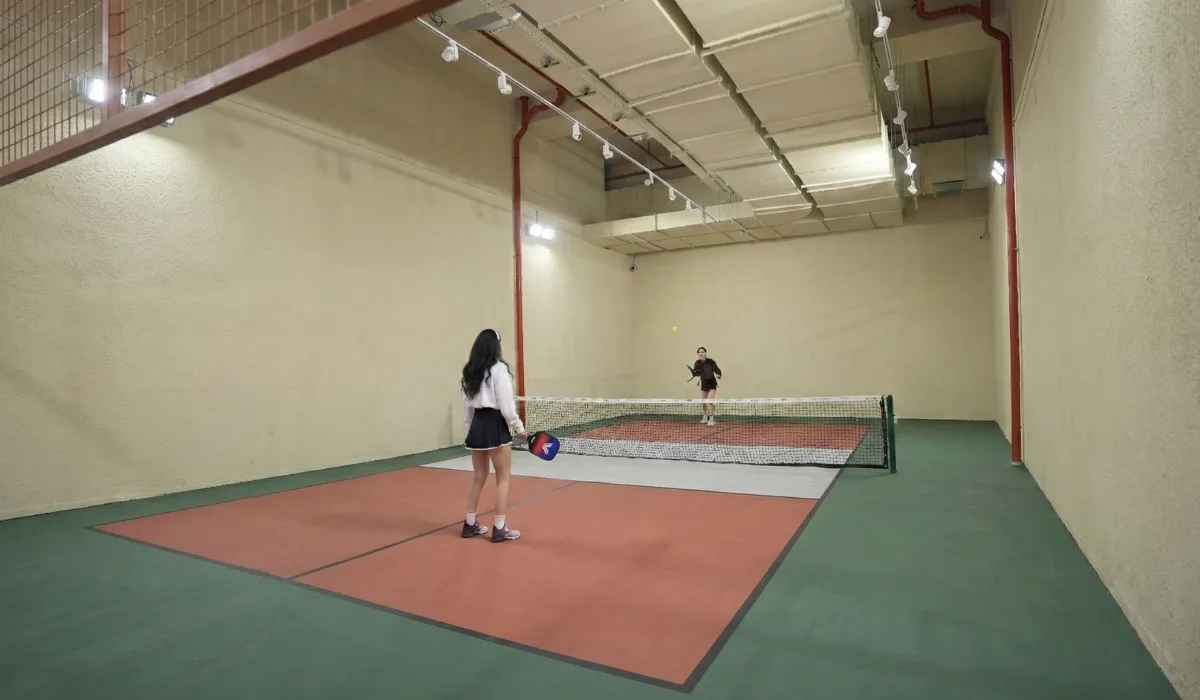
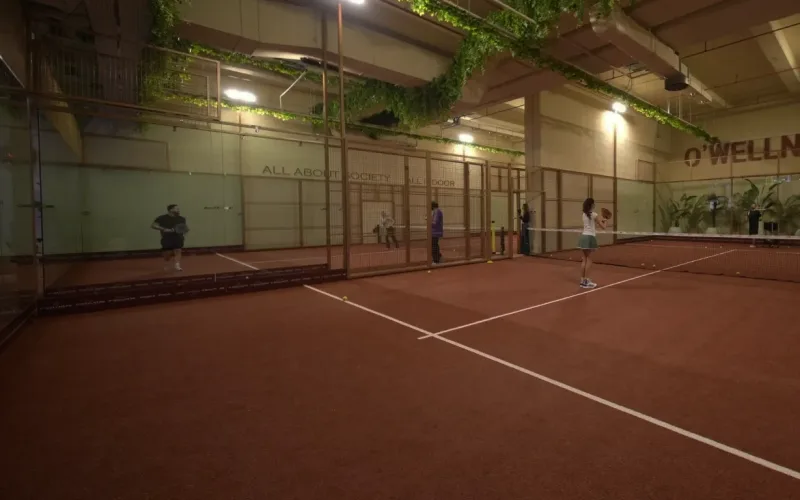
On outdoor courts, summer heat markedly raises the sweat rate and so the need for fluid. The indoor, climate-controlled courtsin Beytepe remove this extreme heat factor, offering a more predictable hydration need all year round. This makes it easier for you to build a similar water consumption routine in both summer and winter months.
Even so, the comfort of an indoor environment does not mean you can neglect hydration entirely; an intense match can cause significant sweat loss even on a climate-controlled court. Keeping this awareness stops the indoor court advantage from turning into a false sense of security.
A practical routine before, during and after a match
| Time | Recommendation |
|---|---|
| 1-2 hours before | 400-600 ml of water, regular intake for preparation. |
| During the match | A few sips of water every 15-20 minutes; electrolytes can be added in long matches. |
| After the match | 500 ml – 1 litre of water to replace the fluid lost. |
Combining this routine with your pre-match nutrition and and post-match recovery plans helps you support overall performance and the recovery process in a holistic way.
Young players and hydration awareness
Children and teenagers may notice signs of dehydration later than adults; so it is important for parents and coaches to give regular reminders to drink water. In the 7-16 age children's academy in Beytepe, planning water breaks between sessions helps settle this awareness at an early age. This early habit is a valuable gain that makes it easier for children to notice their own hydration needs later.
Building a personal hydration routine
Since everyone's sweat rate and fluid needs are different, observing your own consumption habits over a few sessions helps you build a personal routine. Weighing yourself before and after a match (simple weight tracking) is a practical way to estimate roughly how much fluid you lost; every kilogram lost corresponds to about a litre of fluid. After applying this method a few times, you can roughly estimate your own typical fluid loss.
Hydration must not be neglected in winter
While the need to drink water is naturally felt more strongly in summer heat, this need is often overlooked in winter. Yet Ankara's dry winter air, combined with indoor heating systems, dries the air out even more; this means a significant amount of fluid loss can occur even in winter months.
On the indoor courts in Beytepe you can sweat as much in winter as in summer; so neglecting water with the thought “it's cold, I'm not thirsty” is a common mistake that harms your performance. Drinking water with the same discipline all year round gives consistent performance regardless of the season.
Telling dehydration apart from fatigue
Sometimes fatigue felt on court can actually be a sign of dehydration; but telling the two apart isn't always easy. If you feel you are tiring earlier than normal, first drinking a few sips of water and waiting a few minutes helps you understand whether this fatigue comes from dehydration or from real physical exhaustion.
This simple test can also be used to tell fatigue caused by a nutritional shortfall apart from fatigue caused by dehydration; sometimes the problem is just low blood sugar. Being able to make this distinction gets you to the right solution faster.
Hydration strategy on tournament days
On tournament days when several matches are played, hydration strategy becomes even more critical. Drinking water regularly in the short breaks between matches lets you maintain the same performance level later in the day. On these days electrolyte supplementation is especially useful to balance long-term sweating that water alone can't cover. This extra preparation is an important detail that lets you feel as fresh in the last matches of the tournament as in the first.
Scientific basis: the effect of dehydration on performance
The generally accepted finding in sports science research is that even a fluid loss of about 2 percent of body weight leads to a measurable drop in physical and mental performance. This proportion corresponds to a fluid loss of about one to one and a half litres for an average-sized adult; in an intense padel match reaching this amount is easier than you might think. So the thought “I sweated a bit but it doesn't matter” can carry a bigger performance cost than you might think.
This information reminds us that the thought “I'm a bit thirsty but I can carry on” is in fact lowering your performance without you noticing; drinking water early and regularly is the most effective way to prevent this invisible drop. Knowing this invisible effect is motivation enough to take dehydration seriously.
The water bottle habit: a practical solution at the court side
Bringing a water bottle to every session is a simple but effective habit. At the On indoor courts, matches in Beytepe, being able to reach this bottle easily between games reduces the tendency to put off drinking. Even putting the bottle somewhere visible acts as a simple visual cue reminding you to drink water regularly. Over time this small routine turns into an automatic habit you carry out without thinking.
Hydration needs change with intensity level
The sweat rate of an evening spent at a social padel night, occasionally competitive, differs significantly from that of an intense tournament match. While standard water consumption is usually enough on a relaxed social night, in a top-level competitive match or in back-to-back tournament matches this need rises markedly.
Knowing this difference, adjusting your water and electrolyte plan to the intensity of the event you join balances the risk of needless over-consumption or inadequate hydration. This flexible approach helps you both protect your health and avoid unnecessary expense.
Completing hydration in the recovery area
When playing on Beytepe's In the O’Spa recovery area, using the sauna causes additional sweat loss, so if you plan such a session you need to raise your hydration accordingly. Drinking plenty of water after the sauna both speeds recovery and maintains the body's overall fluid balance. Planning these two practices together makes a complete package for both relaxation and physical recovery.
Short summary: three simple habits
Starting to drink water before you feel thirsty at a match, taking regular small sips during the match and not neglecting electrolyte support on long or intense days; these three simple habits prevent most of the hydration problems you might meet in Ankara's dry climate. The rest will be shaped by your own experience and regular practice.
Next step
Building the right hydration strategy in Ankara's dry climate is a simple but effective way of protecting both your performance and your wellbeing in your matches in Beytepe. To plan your next session, you can reach us on our WhatsApp line and take to the court always at your best.
Frequently Asked Questions
The low humidity makes sweat evaporate from the skin faster, so fluid loss occurs without being noticed; that is why conscious, regular water consumption is important.
As a general guide: 400-600 ml 1-2 hours before the match, a few sips every 15-20 minutes during the match and between 500 ml and 1 litre after the match.
No; in short and low-to-medium intensity sessions water is usually enough, and electrolytes become more meaningful on long or intense days when more than one match is played in a day.
Mild headache, loss of concentration, increased cramp risk and an early feeling of fatigue are among the first signs of dehydration noticeable on court.
No; although indoor, climate-controlled courts reduce the extreme heat factor, an intense match can cause significant sweat loss, so hydration should still not be neglected.



 Padel Courts
