

Padelde skor tutma, kuralları öğrendiğinizde bile maç sırasında şaşırtıcı biçimde zorlayıcı olabilir. Heyecan, ralli temposu ve dört kişinin aynı anda konuştuğu bir ortamda “hangi puandayız?” sorusu sık sık tartışmaya dönüşür. Yeni başlayanlar için bu durum, oyunun keyfini gölgeleyen bir stres kaynağı olabilir. İyi haber şu ki, birkaç basit alışkanlıkla bu sorunun büyük bölümü çözülür. Bu yazıda puanı kimin söyleyeceğini, nasıl ortak bir kayıt tutabileceğinizi ve anlaşmazlık çıktığında nasıl davranabileceğinizi sade bir dille anlatıyoruz. Resmi kuralların ayrıntıları için antrenörünüzün anlattıklarını esas almanız en doğrusudur.
Why does the score get mixed up so easily?
Scoring in padel follows tennis logic: within a game the count runs zero, fifteen, thirty, forty, and sets are collected game by game. This system feels unfamiliar to newcomers because it differs from the way we count in daily life. Details such as how play continues at a tie within a game also demand attention.
The second reason scores get mixed up is the speed of the game. After a long rally everyone is out of breath, and it becomes hard to spare mental energy to remember who has the point. The third reason is lack of communication: when nobody says the score aloud, each player holds a different score in their head, and a dispute appears at the next point.
Another common confusion at the beginner level concerns changes of ends. After switching sides, remembering whose turn it is to serve often gets harder. So briefly confirming who will serve at the start of each game reduces confusion about both the score and the order.
Another way to reduce this confusion is to treat scoring as a separate topic in the first lessons. You can ask your coach for a few minutes of 'score only' practice. Practicing the count instead of the strokes may sound odd at first, but it noticeably reduces the mental load during a match.
The habit of calling the score aloud
The most effective method is for the player about to serve to say the score out loud after each point. If the serving side says its own points first and the opponent's second, everyone hears the same information. This simple habit puts all four players on the same page.
A few details make it even more effective:
- Say the score right before the serve, not right after the rally.
- Wait a brief moment for the other side to object.
- If you are not sure, don't hesitate to ask; use a confirming question such as "We have thirty, you have fifteen?"
- Remind everyone of the game score now and then, especially at changes of ends.
At first this habit may feel artificial, but it becomes a natural ritual in a few matches. Moreover, opposing players see it as courtesy and the mood of the match improves.
Some people use a physical marker instead of keeping the score in their head. For example, using coins in a pocket or a band on the wrist as a score indicator can support memory. Whichever method you choose, the whole team must trust the same system.
Over time a rhythm forms naturally among the players. The more often you play with the same people, the more you know who will call in what order and in what tone; this habit makes the match both smooth and enjoyable.
Ways to keep a shared record
In long matches or tournament-style formats, calling aloud may not be enough. In that case you can use a simple recording tool. A score app on your phone, a small table on paper, or a scoreboard beside the court all do the job. What matters is not leaving the recording to one person and letting everyone look at the same source.
In rotating or social matches, reading the score aloud one more time at the end of each round catches mistakes. If you use a phone, look at the screen only between points so it does not distract during play. Respect the facility's and opponents' rules too. If you have a coach, they may ask to keep the score in lessons and help you build a rhythm.
On disputed points, your tone matters too. Raising your voice or speaking accusingly can turn a small mix-up into a large hurt. A sentence that starts with 'This is how I remember it, how do you remember it?' opens the way to agreement without pushing the other side into defense.
It is instructive to talk after the match about which points caused hesitation. This short review shows where to be more careful in the next match and gradually shrinks the margin of error. Even jotting down in a notebook the situations you mix up most often can bring a lasting solution.
What to do if a disagreement arises
At some point in every match, a mutual doubt such as "I won that point" or "No, it was yours" may come up. In that case the priority is to stay calm. First have a short talk with your partner on your own side; go back to the last clear point you remember. When the other side does the same, you usually reach a common point.
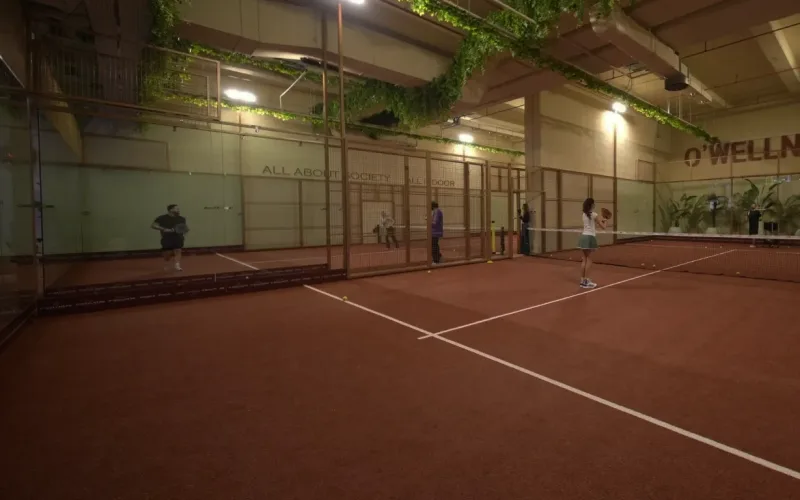
If there is still no agreement, the simplest and fairest solution is to replay the disputed point. This solution prevents either side from feeling wronged. Putting the continuation of the game ahead of the argument protects relationships in a social sport. At places where social matches are frequent, like O'Padel Beytepe in Ankara, this kind of courtesy is an important part of the community culture.
In social matches without a referee, honesty and mutual trust come to the fore. In questions such as whether someone saw the ball in or out, giving the benefit of the doubt to the opponent builds respect in the community. Over time such an attitude also increases the number of people who want to play with you.
Remembering sets and the match score
After the game score, remembering the sets is another challenge. Clarifying at the start how many sets will be played reduces confusion. Repeating the score once more during the short pause at a change of ends refreshes memory.
One tip is to agree on a plain shared language with your partner before the match. For example, set a rule of saying your own side's points first and the opponent's second when the score is called, and do not break it during the match. A consistent way of speaking reduces the load in both your mind and your partner's.
Repeating the score together at the end of each match is a nice habit too. It gives the sport a respectful closing and carries into the next match as a sweet memory.
An attitude that reduces score stress
Finally, the purpose of keeping score is not to fuel competition but to keep the game flowing. At a beginner level, a miscount is not a big problem; enjoyment is what counts. When you notice a point was counted wrongly, say so politely and move on.
Don't force yourself to become a "perfect score keeper." Over time the logic of the scoring system settles in and counting becomes a reflex. During this process, settling with a smile among the players opposite you gives you a pleasant experience in both the game and the community.
Frequently Asked Questions
Who should call the score?
The general practice is for the player about to serve to call the score aloud before each point. It is not a fixed written rule, though; what matters is that the players agree together and everyone hears the same information.
What should we do if we are not sure about the score?
Have a short discussion and go back to the last clear point you remember. If you still cannot agree, replaying the disputed point is a fair and simple solution.
Is it appropriate to use a phone app?
Yes, it can be used. It is only important that it does not distract your attention during play and that everyone can see the score. For learning the rules, your coach's explanation is the most reliable source.


 Padel Courts
