

Voleybol geçmişiyle padele başlamak, takım sporlarından raket sporlarına geçen pek çok kişinin son yıllarda denediği bir yoldur. Voleybolcular korta genelde file önünde rahat, yüksek toplara karşı cesur ve partneriyle sürekli konuşan oyuncular olarak gelir. Bu özellikler padelin çift oyunu yapısıyla iyi örtüşür ve ilk maçlarda bile belirgin biçimde hissedilir.
On the other hand, in volleyball the ball is struck with the hands and arms, it isn't allowed to touch the floor and there is no glass on court. In padel the ball is met with a racket, can bounce once on your side and can stay in play by coming off the glass. These differences require a volleyball player to recalibrate some instincts. In this article we cover the advantages carried over from volleyball, the points that need adjusting and a practical plan for the first months.
Strengths Carried Over from Volleyball
The volleyball player's most obvious advantage is comfort at the net. Someone used to blocking at the net and meeting the ball at a high point isn't hesitant about moving forward in padel. This is a very valuable habit, because much of the game is built around winning and keeping the net position.
The second strength is a sense of timing against high balls. Adjusting a jump to the ball for a spike or block resembles the timing needed for the smash and bandeja in padel. Volleyball players are often more comfortable than other beginners at reading the highest point of the ball and its descent.
The third strength is communication. In volleyball, players talk constantly: who takes it, where to set, where the opponent will hit from. In padel pairs, short calls such as "mine," "yours" and "up" are also an inseparable part of the game. Volleyball players naturally carry this habit to the court and build quick rapport with their partners. This also lifts the atmosphere on court, especially in social matches played by pairs who have just met.
The Difference Between the Spike Reflex and the Smash
The adjustment problem volleyball players face most often in padel is the urge to hit every high ball at full power. In volleyball a high ball is usually an attacking opportunity and a powerful spike is expected. In padel, most high balls are played with controlled shots such as the bandeja or víbora; a full-power smash only makes sense in certain conditions.
The reason is the glass. A powerful but poorly placed smash rebounds quickly off the back glass and gives the opponent an easy return. In addition, dropping back and jumping for a powerful smash increases the risk of losing the net position. In padel, the main job of a high ball is often not to finish the point but to hold the net and keep the opponent back.
- Learn the bandeja first on high balls; leave the smash for later.
- Focus on balance by keeping your feet close to the ground instead of jumping.
- Choose a target by thinking about where the ball will land and how it will come off the glass.
- Save the smash for the opponent's short lob and moments when you are close to the net.
Shoulder load should also be considered. The shoulder of someone who has spiked for years in volleyball is used to a particular movement pattern. The padel racket's weight and different stroke angles can create a new load in this area. It's important not to neglect the warm-up and to consult your doctor if you feel lingering discomfort in the shoulder.
Low Balls and the Ball That Bounces
In volleyball, the ball hitting the floor means losing the point, so volleyball players instinctively try to meet the ball in the air. In padel the ball can bounce once on your side, and it's often better to play it after the bounce. This difference can lead volleyball players to try to meet the ball in the air unnecessarily in the first weeks and make unbalanced strokes.
Low balls are also new territory for volleyball players. Apart from the forearm pass, volleyball doesn't deal much with balls below the waist. In padel, opponents frequently send low balls to foot level. Meeting these balls requires bending the knees, lowering the racket and keeping the torso upright. Learning this movement pattern is an important step in a volleyball player's padel development.
Getting to Know the Glass and the Racket
Glass play is an entirely new experience for players with a volleyball background. The ball coming back into play off the back glass can seem unexpected at first. That's why catching the ball by hand after the glass and observing the rebound angle in the first lessons is a good start. Over time, these balls are played with the racket, first slowly and then at match tempo.
Racket control is also a separate area of learning. In volleyball the ball is touched with the surface of the hand and arm; in padel contact is made with a racket that is an extension of the arm. Feeling the angle of the racket face and getting used to the continental grip takes time. Simple drills like bouncing the ball on the racket help develop that feel. Recalling the soft touch given to the ball in a volleyball overhead set can make it easier to understand what holding the racket flexibly rather than stiffly means when playing a short, controlled volley in padel.
Differences in Movement and Conditioning
In volleyball, movement is concentrated mostly on the vertical axis: jumping, landing and short slides. In padel, horizontal movement dominates. Running from one end of the court to the net, shuffling sideways to reach a crosscourt ball and retreating against a lob tire a volleyball player's legs in a different way. Feeling unusual fatigue in the calves and around the hips in the first few sessions is therefore not surprising.
The jumping habit should also be rethought. Volleyball players instinctively jump for high balls. In padel, most overhead shots are played with the feet on the ground or with a very small hop. Keeping the feet close to the ground preserves balance and makes it possible to get ready quickly for the next ball after the stroke.
In terms of conditioning, volleyball players are used to short, explosive efforts; this suits padel's broken rhythm well. In long rallies, though, the legs need to stay constantly on the move. Adding lateral step and change-of-direction drills to the weekly program can speed up adaptation to this new rhythm.
A Road Map for the First Months
For players coming from volleyball, the most efficient approach in the first months is to keep the strengths while systematically devoting time to weaker areas. Since net play is already comfortable, spending a good part of lessons on low balls, glass play and controlled overhead shots leads to balanced development.
- The continental grip and racket face control
- Getting acquainted with balls off the back glass
- Meeting low balls by bending the knees
- Playing high balls under control with the bandeja
- Net positioning and communication with a partner
In beginner groups at O'Padel Beytepe, players from team sports often blend in quickly thanks to their communication habits. Wherever you start, keeping the team spirit and net courage you bring from volleyball while giving time to the parts of padel that demand patience leads to the most enjoyable progress in the long run.
Frequently Asked Questions
Can volleyball players use the smash right away in padel?
They can, but learning controlled shots like the bandeja first is more productive. The smash is effective when used on the right ball and from the right position.
Does height help in padel?
Tall players may have a reach advantage at the net and on high balls. On low balls, though, the ability to bend the knees and get down quickly becomes more important.
Does playing padel while continuing volleyball strain the shoulder?
Because the total overhead load from both sports increases, you need to balance the weekly plan and pay attention to rest days. If you have a lingering shoulder complaint, consult your doctor.

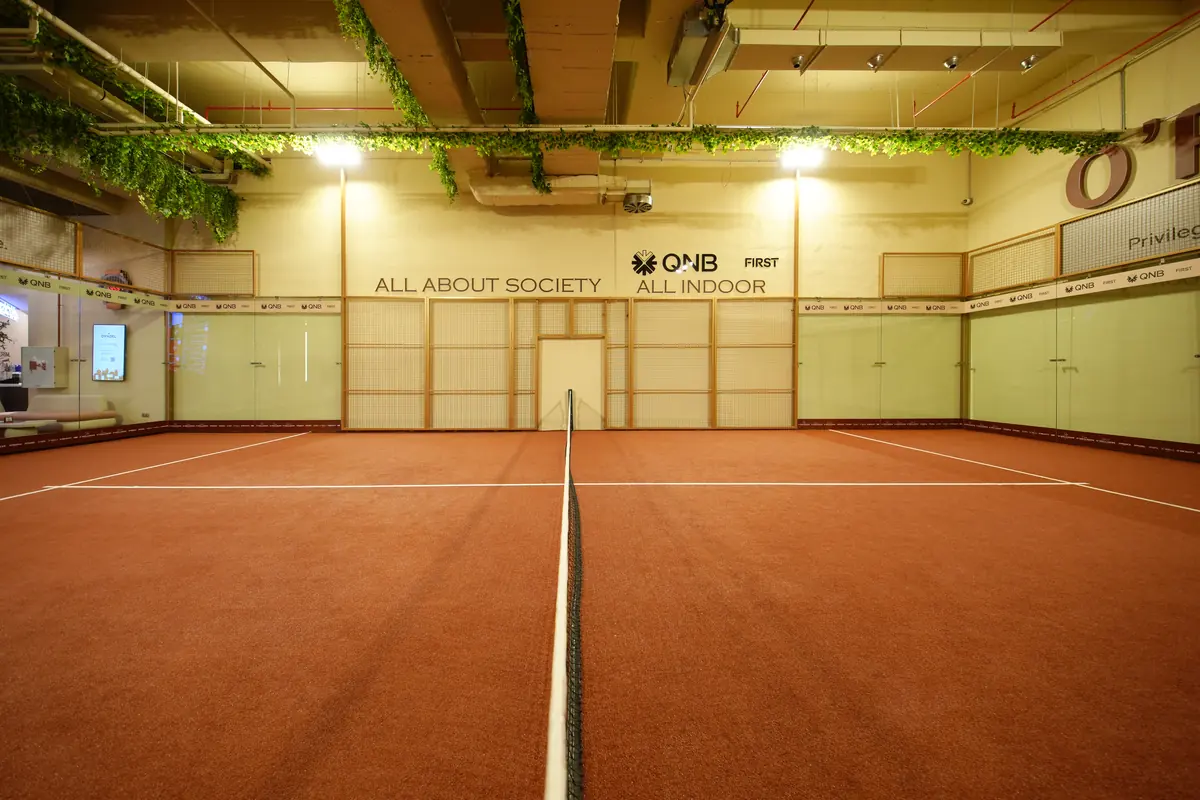


 Padel Courts
