
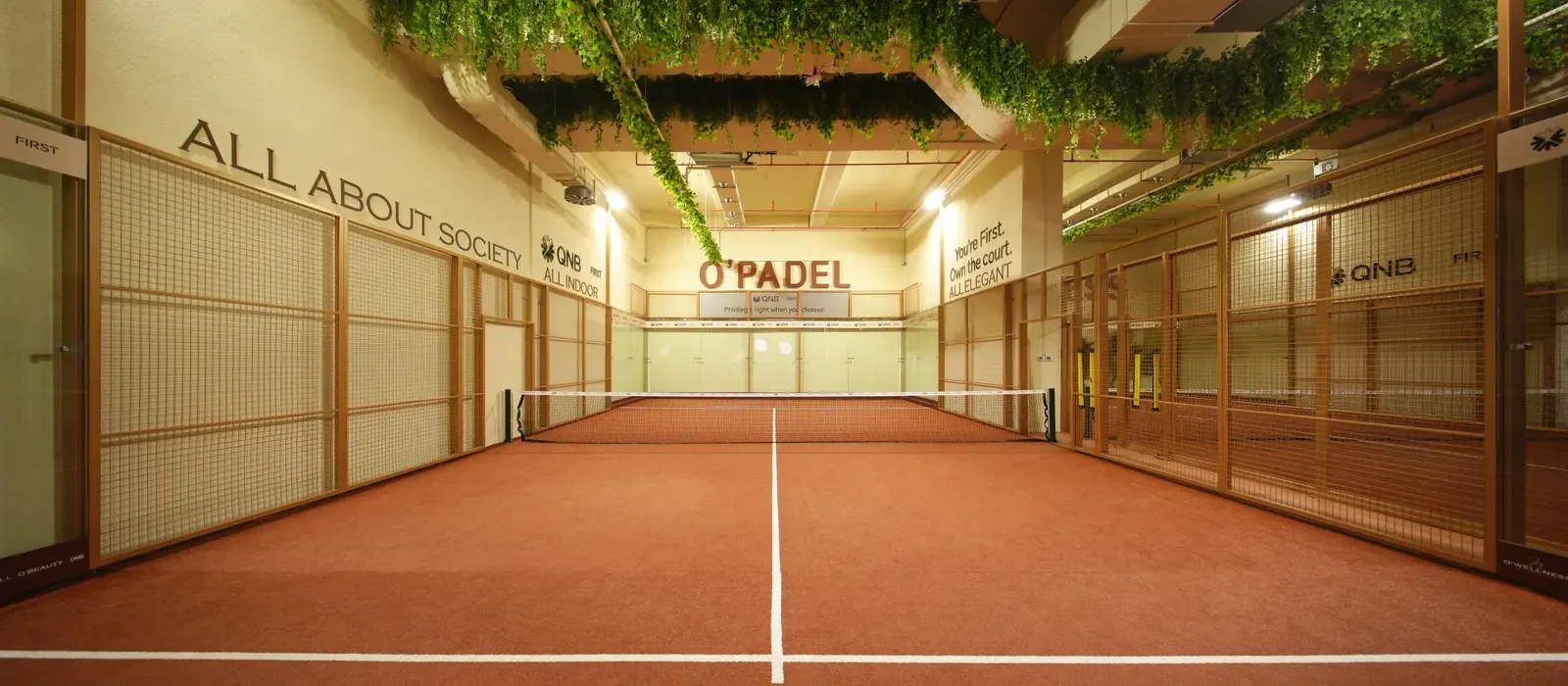
Ankara’da karlı günde padel oynamak, kapalı kortlar sayesinde mümkün olan ama biraz planlama gerektiren bir deneyimdir. Kortun içinde hava koşulları oyunu etkilemez; ancak korta ulaşmak, soğuk havadan sıcak bir ortama geçmek ve vücudu kısa sürede oyuna hazırlamak, sıradan bir maç gününe göre daha fazla dikkat ister. Başkentin kış aylarında kar yağışı sık rastlanan bir durum olduğu için bu hazırlığı bir rutin haline getirmek işinizi kolaylaştırır.
In this article we cover how to plan your match on snowy days, what to check before setting off, what to add to your bag and how to use the first minutes after you enter the court. The aim is to help you keep playing regularly through winter while having a safe and enjoyable experience.
Before You Set Off
On a snowy day, the first decision is whether to set off at all. If road conditions are severe and driving is risky, postponing the match or moving it to another day is always a reasonable option. No match is worth risking safety; a postponed match can easily be rescheduled, but a mishap on the road isn't so easily undone. Checking the weather and road information in the morning or around midday is a good habit so you don't leave this decision to the last minute.
If you're thinking of postponing the match, communicating early with the venue and the other players is important. Many venues have specific rules about changing or cancelling bookings. Knowing these rules in advance and giving notice promptly on a snowy morning makes planning easier for both you and the venue. If you play as a group, a quick poll in your messaging group helps everyone reach the same decision faster.
If you've decided to go, allow more time than you normally would. Traffic slows in snowy weather, and even small details like parking can take longer than expected. Rushing to make the match time creates unnecessary stress both on the road and on court.
Getting There
If you're driving your own car, making sure it's ready for winter conditions is a basic precaution. Winter tires, enough antifreeze, working wipers and an ice scraper in the car make the journey safer on snowy days. The ground may also be slippery when entering and leaving the venue's car park; moving slowly and parking carefully are necessary.
Using public transport can be a good alternative on snowy days. In that case, it makes sense to wear shoes or boots with non-slip soles for the short walk from the stop to the venue and to carry your padel shoes in your bag. Going in the same car as your friends is also a practical solution, both for sharing the ride and for supporting each other.
What to Add to Your Bag
On snowy days your bag will be a little fuller than on normal match days. The most important rule is not to wear your padel shoes outside. Shoes soaked with snow and mud become slippery on court, dirty the sand-filled artificial turf and pose a risk to the ankle. Carrying your shoes in a dry bag and putting them on at the court matters for your safety and other players' too.
- Padel shoes in a dry bag
- Dry socks and a spare T-shirt for after the match
- A light jacket or vest to protect against the cold
- A separate bag for wet outerwear
- A small towel and a water bottle
It's also good to protect your racket from the cold. A racket left overnight in a cold car can stiffen and feel different on the first strokes. Carrying it in its cover and letting it adjust to room temperature for a few minutes at the court helps the material return to normal behavior.
From Cold to Warm: Preparing the Body
Walking in cold weather or waiting in a car can make muscles and joints stiffer than usual. In that state, starting intense strokes as soon as you step onto court catches the body unprepared. On snowy days, giving the warm-up a few more minutes than usual matters both for performance and for reducing injury risk.
Starting the warm-up with light movements is best. Movements such as walking in place, arm and shoulder circles, and hip and ankle mobility gradually raise body temperature. You can then move into play with side shuffles, short runs and soft volley series. Leaving smashes and powerful strokes for the end of the warm-up is safer for the shoulder and elbow.
Dressing in layers also makes this transition easier. Starting the first minutes of the warm-up in a light top layer and taking it off as the body warms up keeps the muscles from cooling quickly. After the match, putting on dry clothes before going out into the cold in sweaty gear protects the body from a sudden temperature change.
Keeping Your Rhythm Through Winter
Snowy days sometimes come one after another, and having matches postponed several times can disrupt your weekly rhythm. In that case, making a flexible plan works better than staying away from the game entirely. Considering a backup court slot for a day with better weather or choosing midday hours when road conditions are better are practical ways to keep playing regularly through the winter.
On days when you can't get to the court, a short movement routine at home also helps maintain your rhythm. Light mobility moves, balance work and shadow strokes without a racket can be done in a few minutes. This small habit helps the body feel more ready for the next match and eases the motivation-sapping effect of the winter months.
After the Match and the Trip Home
The post-match routine is also a little different on a snowy day. Going outside sweaty can be uncomfortable, especially in cold, windy weather. If the venue offers showers, using them is a good idea; if not, at least change into dry clothes. A warm drink can also help the body stay comfortable. Keeping wet outerwear in a separate bag ensures your dry items stay dry too.
There's no need to rush on the way home either. Post-match fatigue can reduce attention. Keeping this in mind and driving slowly and carefully on snowy roads matters. Many players who play through the winter at indoor venues like O'Padel Beytepe prefer to take a short break in the lounge after the match, both to rest and to wait for traffic to ease a little.
The next day, pay attention to how your body feels. After matches played in cold weather, some players may feel more stiffness in their muscles than usual. A light walk or stretching can reduce this stiffness. If you feel lingering pain, consulting your doctor is always the right step.
Frequently Asked Questions
Is it safe to play on an indoor court when it snows?
Since the inside of the court isn't affected by the weather, there's no difference for play. What really needs attention is getting to the court and not stepping onto it in wet shoes.
Can I cancel my booking on a snowy day?
This depends on the venue's cancellation and change policy. The best approach is to contact the venue as soon as you decide and find out your options.
How much longer should I warm up in cold weather?
There's no exact duration; continuing until you feel your body is warm and your joints move freely is the best measure. Adding a few minutes to your normal warm-up is usually enough. Raising the tempo gradually in the first games also helps the body adjust.
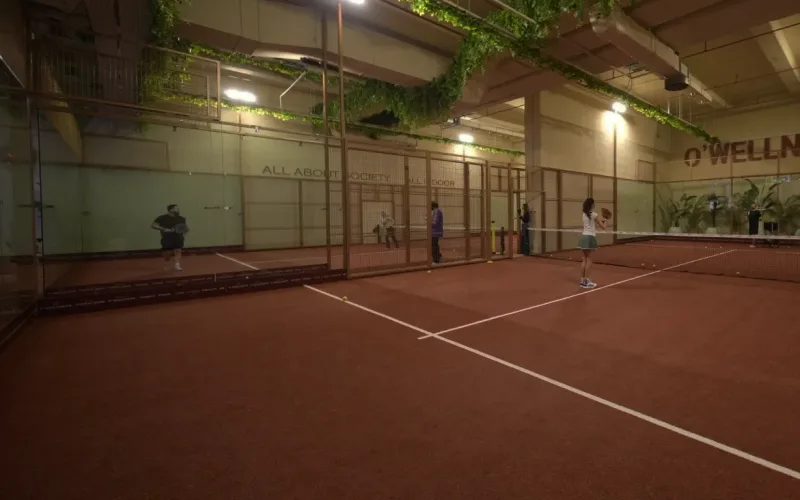
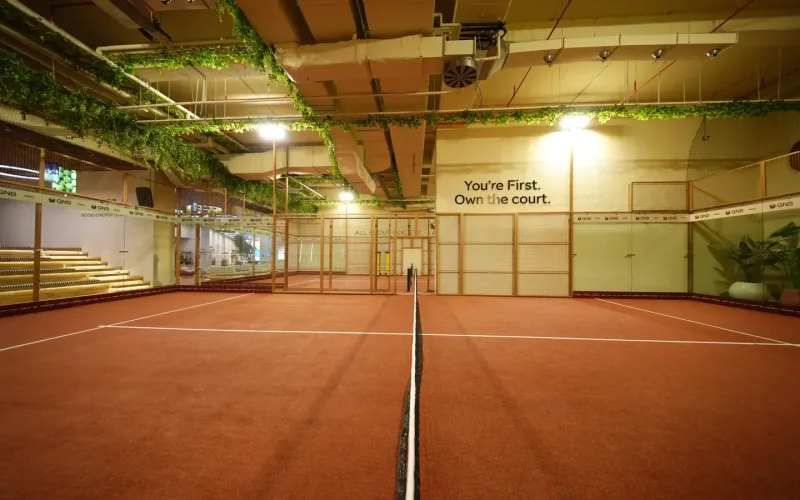


 Padel Courts
