
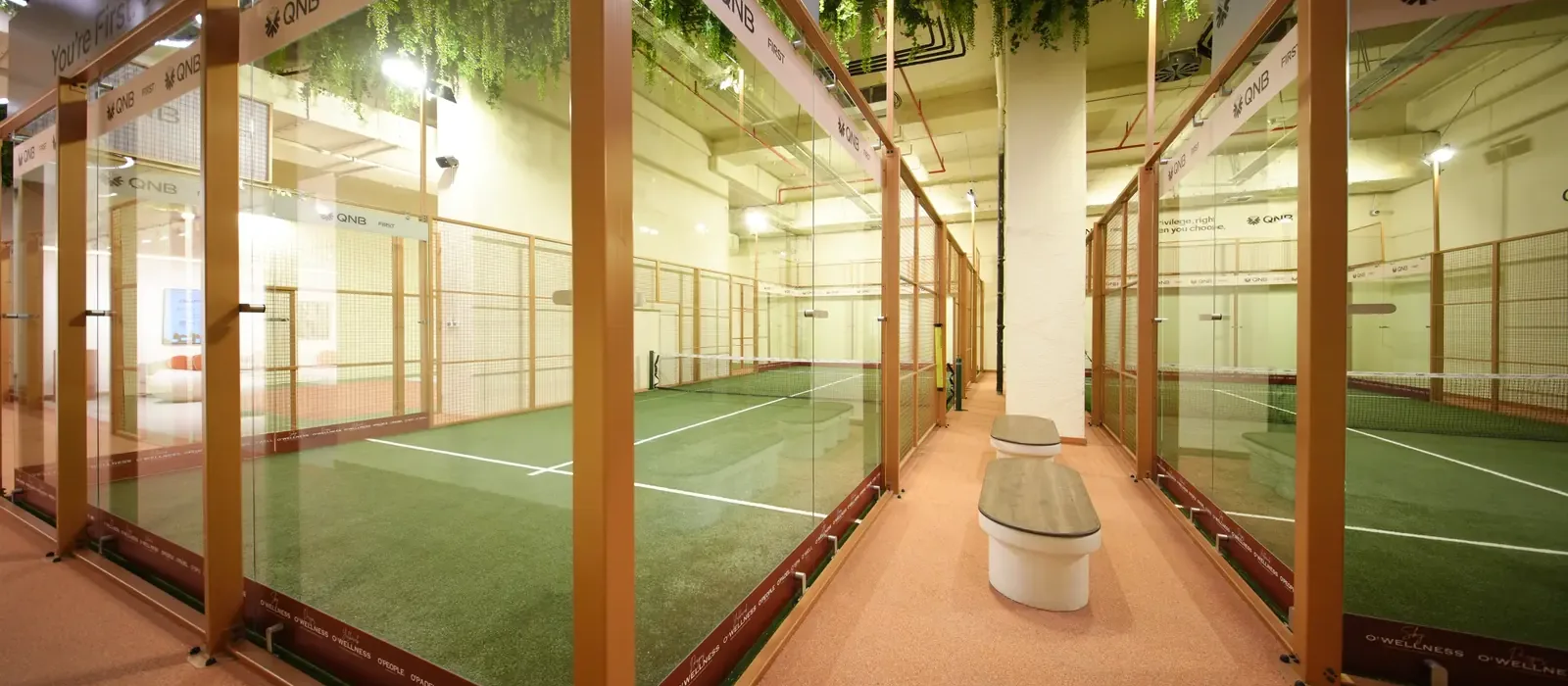
Spor, çocuklara kazanmayı öğretmeden önce kaybetmeyi öğretir. Çocuklarda kaybetmeyi öğrenmek, ilk bakışta zor ve hatta acı verici görünür; ancak uzun vadede çocuğun dayanıklılığını, empatisini ve özgüvenini besleyen en değerli derslerden biridir. Padel gibi dört kişilik, sosyal ve hızlı tempolu bir sporda çocuk, hem partneriyle hem rakipleriyle sürekli etkileşim halindedir. Bu etkileşim, kazanma ve kaybetme duygularını güvenli bir ortamda deneyimlemeye imkân verir. Bu yazıda çocukların kaybetme karşısındaki tepkilerini, fair play kültürünü ve ebeveynlerin destekleyici tavrını ele alıyoruz.
Why does losing feel so hard?
For children, losing a match is not just a number on a scoreboard. A small child may perceive themselves as "not good enough" when they lose. Someone not emotionally ready ties this judgment to their identity: "I can't do it" or "I'm a bad player."
The reason is that children struggle to separate outcome from worth. Adults can say "We lost today, we'll try again tomorrow," but for a child "today" is often the biggest reality. And the reactions of people around them can magnify the feeling. A parent's disappointed expression makes the child's loss feel even heavier.
In developmental terms, young children's emotion regulation skills are still maturing. So reactions such as anger, crying, or running from the game are very common and normal. They are signs not of weak character but of a learning process. If you notice intense or long-lasting emotional distress in a child, getting support from a pediatrician or a qualified adult is appropriate.
There is also the effect of comparison. Children evaluate their own situation by watching their friends' successes. When someone of the same age progresses faster, they may belittle their own effort. At this point the parent's task is to steer the child to compare with their own yesterday rather than with someone else.
Why is the padel court a good place to learn?
Padel has features suited to learning to lose. First, because the game is played in pairs, the burden of loss is shared. The child says "we lost" instead of "I lost." This eases shame and strengthens team spirit.
Second, matches are split into short sets and each point offers a new chance. After a mistake the next ball comes right away, which gives the child recovery practice. Letting go of the feeling after a mistake in a short time and returning to the game is an important skill that carries into life.
Third is the social structure of the court. Shaking hands with opponents at the end of the match is a traditional ritual of courtesy. Even when they lose, the child learns to look the opponent in the face and say "good match." This habit is a visible expression of sportsmanship.
These features make the court a place where not only skills but also emotion management is practiced. When a child takes a deep breath after a lost point and tries to focus on the next ball, they are actually rehearsing a small piece of life.
How can we build fair play?
Sportsmanship is not innate; it is learned. There are several concrete ways to build it:
- Örnek olun. Çocuk, sizin kaybetme tarzınıza bakarak öğrenir. Kendi maçlarınızda nasıl davrandığınız, sözlerinizden daha etkilidir.
- Nezaket ritüelleri kurun. Maç başında ve sonunda tokalaşmak, rakibin güzel vuruşunu takdir etmek gibi alışkanlıkları destekleyin.
- Dürüstlüğü övün. Topu içeride mi dışarıda mı gördüğünü dürüstçe söyleyen çocuğu takdir edin; kazançtan önce dürüstlüğü ödüllendirin.
- Rakibe saygıyı vurgulayın. Rakip, düşman değil, oyunu mümkün kılan kişidir.
- Hakeme ve kurallara uyun. Kural tartışmalarında sakin kalmak, adil olmanın bir parçasıdır.
These habits do not form in a single session. They become the child's natural manner as they are repeated. A coach's support in this is very valuable; children often listen to their coaches more than their parents.
Fair play also applies in moments when nobody sees a rule violation. A child who notices the ball went out and honestly says so may lose that point but gains character. Quietly noticing and appreciating these moments shows the child the value of doing the right thing.
The parent's attitude after a loss
Whatever the child's first reaction when the match ends, staying calm is your job. First make space for their feeling: "You're sad, I understand." Without trying to fix the feeling at once, simply being beside them is often the best way.
After a few minutes, when you sense the child is ready, proceed with questions: "Which stroke did you like most today?" or "What would you like to do differently next time?" These questions steer the child toward solution-focused thinking. Criticism or analysis should come only after the child has calmed down and in a kind tone.
Saying "It doesn't matter" may not be the right approach either; belittling something important to the child gives the impression their feelings are being ignored. Saying instead "I can see it matters to you, so being upset is natural" accepts the legitimacy of the feeling.
After the child has lived their feeling, a small ritual can help: walking together and having a glass of water, thanking the opponents, and talking about the next goal right away. This sequence shows a loss as a transition rather than an end.
Being kind when winning too
As much as learning to lose, being humble in winning is an important part of sportsmanship. If a child shows an attitude that belittles the opponent or shows off excessively after winning a match, this needs to be gently pointed out. A sentence like "Winning is great, and your opponent worked hard too" honors both sides.
It is also important not to exaggerate the experience of winning. Very big rewards or excessive praise can make the child dependent on results. A small congratulation and a smile is often enough. That way the child feels that neither winning nor losing determines their worth.
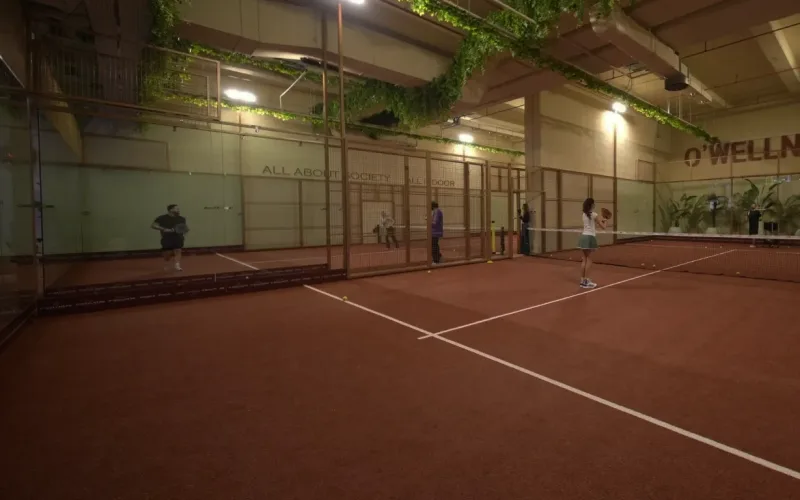
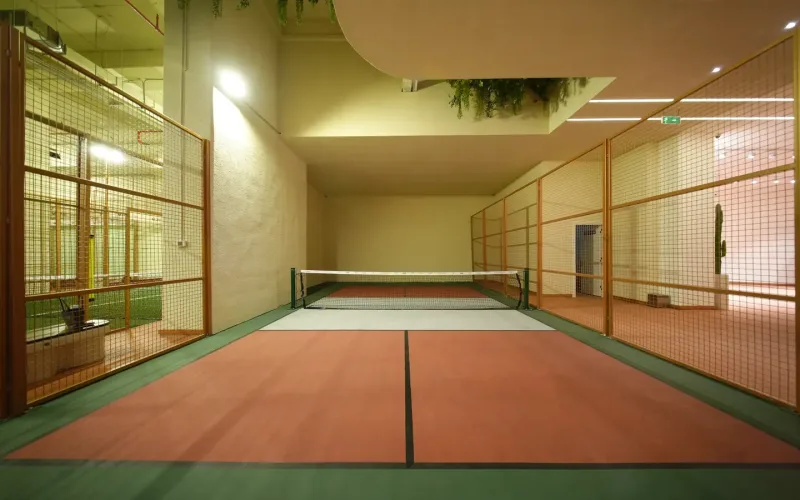
Children playing in a community setting like O'Padel Beytepe in Beytepe naturally observe this balance by meeting players of different ages and levels. Seeing how adults behave when they lose is a powerful example for children.
A child living between winning and losing learns the natural rhythm of life: sometimes being up, sometimes down, and staying valuable in both. The padel court offers this lesson in a safe, social, and cheerful setting.
Reinforcing at home
Learning to lose does not happen only on court; board games, card games, or simple contests at home support the same skill. In these games the parent's way of losing and winning is again an example. When you lose and say "next time" with a smile, you offer the child a safe model.
Making room for the question "What did you learn today?" in family conversations is useful too. Telling moments of failure as learning stories helps the child see mistakes as experience rather than shame. When you share your own mistakes, the child understands that making mistakes is normal for everyone.
Frequently Asked Questions
My child quits the game when they lose. What should I do?
First accept their feeling and offer a short break without forcing. Then support their return to the game with small, achievable goals. If it drags on, help from a coach or specialist can be useful.
Should I keep my child away from competition?
No; healthy competition can be instructive. What matters is focusing competition on effort and courtesy rather than results.
What should I do if a coach puts pressure on winning?
Share your concerns with the coach calmly. The child's development and enjoyment should come first; if needed, switching to a coach with a different approach is also an option.


 Padel Courts
