
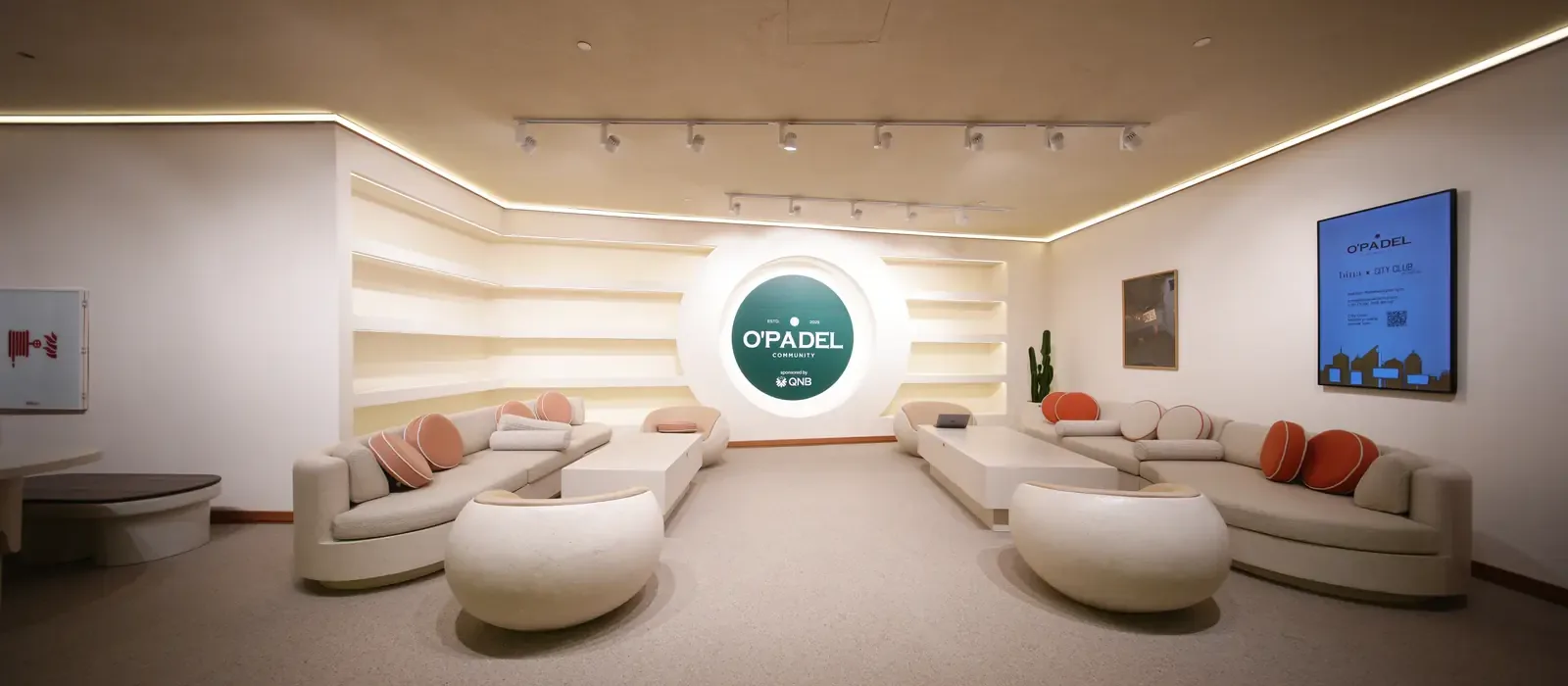
A padel coffee habit, when drunk at the right time and in moderation, supports focus and reaction speed, and is also one of the court's nicest social rituals. According to general sports-nutrition knowledge, caffeine can have a performance effect at a dose of about 3 mg per kilogram of body weight taken 30-60 minutes before exercise; this amount varies considerably between individuals. The specialty coffee options at the O’Padel Lounge make this ritual enjoyable.
This article looks at coffee from a padel perspective: when and how much caffeine, which type of coffee suits which moment, how coffee and the social ritual come together. For the scientific detail of pre-match coffee, padel and caffeine you can also see our article; here we focus more on the lounge experience and choice.
What does caffeine do in padel?
Caffeine is a substance that stimulates the central nervous system. By blocking adenosine receptors it reduces the feeling of fatigue and increases alertness and focus. In a sport like padel that requires fast decisions, this effect can be felt in three ways:
- Reaction time: A slight advantage in reading the ball coming off the wall.
- Focus: Less loss of attention at the end of long, tiring rallies.
- Perceived effort: The same intensity feeling slightly less tiring.
However, caffeine's effect varies from person to person. Genetic differences, habit level and sleep state are decisive. In regular coffee drinkers the effect may be more limited than in those who rarely drink it. If your sensitivity to caffeine is high, even a small amount can cause palpitations and anxiety; in that case you should consider half a shot or decaf alternatives.
Padel coffee timing: when, how much?
Timing is the main factor that determines the benefit or harm of coffee. Caffeine peaks in blood level about 30-60 minutes after drinking, and its half-life is around 5-6 hours on average. Thinking about these two facts together gives this framework:
| Session time | Coffee time | Note |
|---|---|---|
| Morning session | 30-60 minutes before the session | With breakfast, a light portion |
| Lunch break | About 45 minutes before the session | Don't overdo it; avoid strong coffee on an empty stomach |
| Evening session | Early afternoon or very light | Cut down caffeine late in the evening to protect sleep |
| Tournament day | Before the first match; moderate afterwards | Excess repetition can cause palpitations and jitters |
A commonly given upper limit for total daily intake in healthy adults is about 400 mg. This roughly equals a few cups of filter coffee; the actual amount varies with the type of coffee and brewing method. Personal limits differ in conditions like pregnancy, heart conditions or blood pressure problems; you need to consult a doctor.
Evening session and sleep
Coffee timing is critical for those who play late, around 20:00-22:00 after work. Caffeine taken late in the evening can delay falling asleep and lower sleep quality. Sleep is the most powerful tool of recovery; so for evening sessions it is wiser to move coffee to the early afternoon or switch to a decaf option.
Types of coffee: which for which moment?
Choosing coffee is not just a matter of taste; the caffeine amount, volume and effect on digestion matter too. A general guide based on the types commonly seen in specialty coffee culture:
- Espresso: Small volume, intense aroma, quick to drink. Practical for a small portion 30-60 minutes before a match.
- Americano / long coffee: Larger volume, drunk more slowly. Suitable for taking caffeine in a controlled way.
- Filter coffee: Depending on the measure, the caffeine amount can be high; be careful before a match.
- Milk-based coffees (flat white, latte): Milk can sit heavy on the stomach; more suitable after the match than right before.
- Cold brew: Refreshing in hot weather; caffeine content varies with brewing time.
- Decaf options: An option that preserves the social ritual for evening hours or caffeine-sensitive players.
For the current coffee options and ingredients in the lounge, you can ask the team or get information via our WhatsApp line. The menu may change from time to time.
Before and after the match: a coffee strategy
Before the match
If possible, choose an espresso or a small americano. If you have a sensitive stomach, drink coffee with something light (a banana, toast). Large, sugary, milky coffees can cause discomfort on court before a match. For a longer warm-up, drink your coffee first, then move on to the 12-minute warm-up routine.
After the match
Post-match coffee is a social ritual and a point of relaxation. Coffee doesn't dramatically increase water loss; still, it makes sense to drink water first, then move on to coffee. Taking it with a protein-containing snack is also suitable for recovery. For the rhythm that the shower, sauna and coffee trio creates after a match, in the post-padel recovery ritual we explained.
Coffee and hydration: a common misunderstanding
The belief that “coffee dehydrates you” is widespread but exaggerated. Caffeine can have a mild diuretic effect; but in regular coffee drinkers this effect is limited, and the water content of a cup of coffee contributes to total fluid intake over the day. Still, on days when you play a sport that makes you sweat like padel, you should think of coffee not as a substitute for water but in addition to water.
Ankara's dry air and high altitude can increase fluid loss without you realising. So serving water with coffee and drinking water throughout the day is a good habit. Even on indoor courts, sweat loss is real.
The padel coffee ritual: the social side
In padel, coffee is not just a drink; it's an excuse to meet. Gathering at the table before the match to talk about opponents and partners, assessing the score after the match and planning the next meeting is the habit of many groups.
The ritual has three natural moments:
- Before: The first people to arrive claim the table and order coffee. Chat and warm-up before the match.
- In between: A short water and breathing break between sets; water, not coffee.
- Afterwards: Coffee and a snack after the shower; the real chat begins here.
This ritual is an important part of padel community culture. For a broader view, padel community culture you can take a look at our article. In the lounge, this get-together takes place with a view of the courts; on our lounge page there is more information about the venue.
Coffee or a smoothie?
Coffee isn't always the right answer. Especially if you need protein and carbohydrates after the match, a smoothie may be more suitable. Combining the two is possible too: first repair with a smoothie, then relax with coffee. For recipes with the options, post-padel smoothie recipes you can see our article. For the menu logic, the pre- and post-match lounge menu the article helps.
What is specialty coffee and why does it make a difference?
Specialty coffee describes coffee obtained from beans above a certain quality score, processed from a traceable source with careful roasting. The flavour profile of these beans is clearer and cleaner: fruity, chocolatey or nutty notes can stand out. This lets you drink coffee not just “to wake up” but to enjoy it.
It also has a practical meaning for padel players: quality coffee is enjoyable without adding sugar and milk. That makes it easier to choose a plain drink that doesn't strain digestion before a match. It's also possible to talk to a barista and get information about the bean's roast level, acidity and caffeine level; for those with stomach sensitivity, lower-acidity options may be suitable.
What can you drink instead of coffee?
Not every player gets along with coffee. If you're sensitive to caffeine or play in the evening, alternatives exist:
- Green tea and matcha: Thanks to lower caffeine and L-theanine content, they give a gentler stimulation.
- Herbal teas: Mint, lemon balm or linden; for relaxation and hydration.
- Decaf coffee: Keeps the taste and the ritual, minimises caffeine.
- Protein smoothie: Especially for post-match repair and satiety.
- Ayran and kefir: A local and practical option in terms of probiotic content and protein.
These alternatives are neither better nor worse than coffee; the aim is to be able to choose according to the needs of your body and schedule.
Stomach and coffee: what to watch for
Coffee can increase stomach acid secretion. For those with reflux, gastritis or a sensitive stomach, coffee on an empty stomach can cause discomfort. While pre-match nerves already affect the stomach, coffee can add an extra burden. In this case these precautions help:
- Drink coffee with something light (a banana, toast, yoghurt).
- Try milder options instead of very strong, intense coffees.
- Avoid large-volume drinks before a match; go in small sips.
- If discomfort continues, stop the coffee and consult a doctor.
Coffee on tournament day
On tournament and league days, several matches are played. Coffee strategy matters more here. A small coffee before the first match can support focus; however, having coffee again after every match quickly raises total caffeine. Excess caffeine can cause palpitations, shaky hands and tension, which can spoil hitting precision in particular.
For this reason we recommend the following on tournament days: have your one coffee in the morning or before the first match, get through the later matches with water, electrolytes and light snacks, and at the end of the day enjoy coffee as a social ritual. Tournaments you can check the events calendar on our page.
Things to watch out for with caffeine
- Sensitivity: If you experience palpitations, shaking, anxiety or heartburn, reduce the amount.
- Health condition: If you have cardiovascular conditions, pregnancy, reflux or an anxiety disorder, consult a doctor.
- Medication interactions: Some medications can increase the effect of caffeine.
- Children: Energy drinks and high caffeine are not suitable for the 7-16 age group at the academy.
- Supplements: Using caffeine-containing sports supplements on top of coffee can lead to an overdose.
The healthiest approach to coffee is to treat your own body as an experiment: for two weeks note the amount and timing of your coffee; compare your match performance, sleep and stomach. The arrangement that suits you best will become clear in a short time. There is no single right answer for everyone; what matters is choosing coffee consciously and enjoying it.
A padel coffee plan at Beytepe
If you're looking for a practical plan, try this framework:
- Come to the lounge 45-60 minutes before court time; pick a quiet table.
- Get an espresso or a small americano; add water and a light snack.
- Warm up on court, play; drink water during breaks.
- After the shower, if you like, finish with a milky coffee or a smoothie.
- Keep the conversation going; plan the next session together.
For court bookings, see the padel courts page, and for tables or general information, contact page. you can take a look or message our WhatsApp line. Membership is not required; cancellation is free up to 24 hours in advance on bookings.
Short summary
For a padel coffee routine, coffee is a good tool for focus and enjoyment; but amount, timing and personal sensitivity are decisive. Small and early before the match, light or decaf late in the evening, and enjoyable as part of the post-match chat. The specialty coffee options in the lounge let you enjoy this ritual right beside the court.
Frequently Asked Questions
Because caffeine takes 30-60 minutes to peak, a small espresso or americano about 30-60 minutes before the match suits most players.
Caffeine's half-life is on average 5-6 hours. Coffee taken late in the evening can delay falling asleep; it is better to move coffee to the early afternoon or choose decaf.
A small-volume espresso or americano is generally more comfortable. Large milk-based coffees can sit heavy on the stomach right before a match.
Caffeine is a mild diuretic, but the effect is limited in regular drinkers. Still, the best thing is to drink coffee in addition to water, not instead of it.
You can reduce the amount and keep the social ritual with half a shot or decaf options. If you have a health condition, we recommend consulting a doctor.


 Padel Courts
