
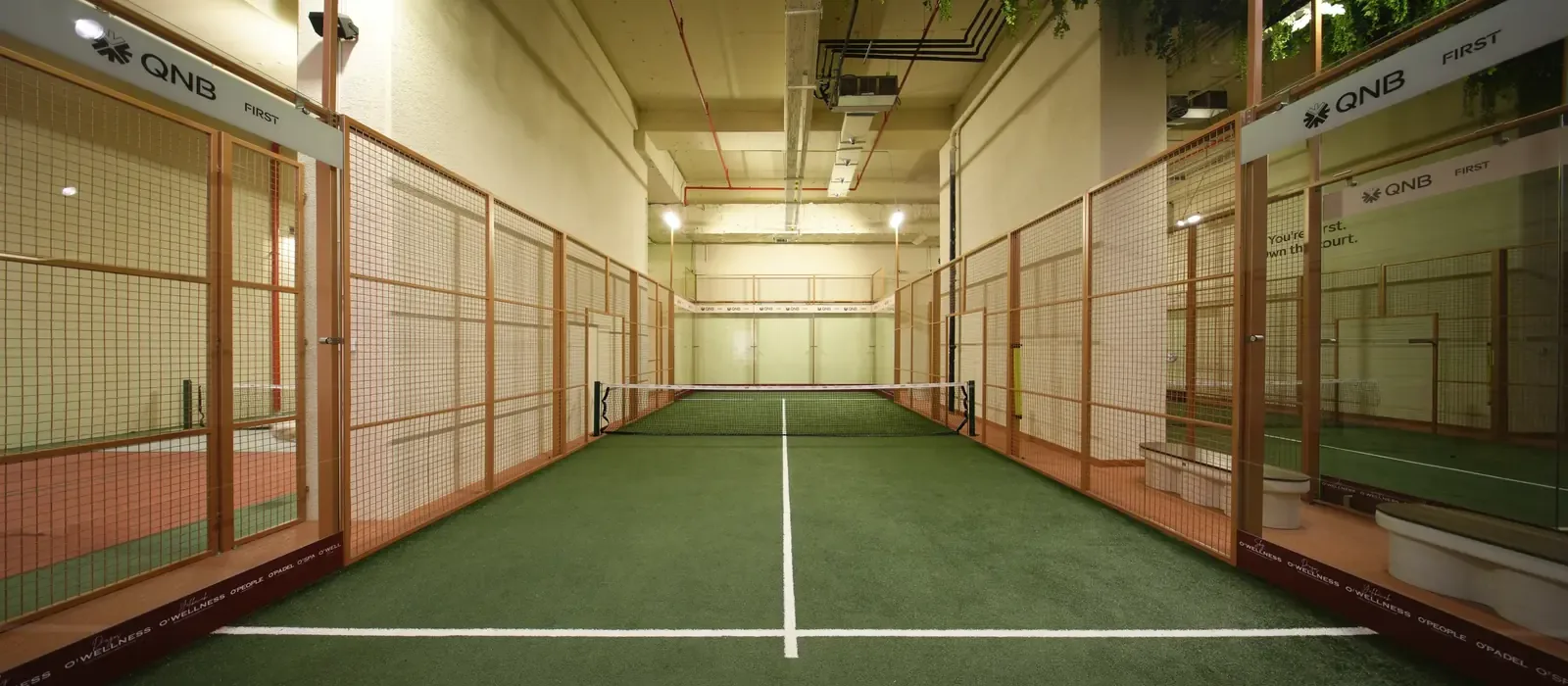
Sosyal bir padel akşamında herkesin aynı anda oynayamaması, topluluk etkinliklerinin en bilinen sorunudur. Sekiz kişi gelmiş ama tek kort varsa, bekleyenler sıkılır, oynayanlar da baskı hisseder. Bu noktada kazanan kalır formatı devreye girer: basit, anlaşılır ve herkese sırayla şans tanıyan bir düzendir. Kural kısadır; maçı kazanan çift kortta kalır, kaybeden çift sıraya geçer ve bekleyen yeni bir çift kortu devralır. Bu yazıda formatın nasıl işlediğini, hangi ayarlamalarla daha adil hale getirilebileceğini ve sosyal geceler için pratik önerileri anlatıyoruz.
The same format goes by different names in some clubs, but the logic is always the same: you must win to stay on the court, and the loser waits for their turn.
The basic logic of the format
The starting point of the winners-stay system is the need to share a limited resource fairly. It may not be possible for every pair to play an equal amount of time, but knowing that everyone's turn will come makes the wait more bearable. The rule is mostly combined with short matches: for example, a single set or a game played to a certain score speeds up circulation.
The format also makes waiting players feel included. Those next in line can watch the match from the side and observe the style of their next opponents. This turns waiting from passive lost time into an active observation period. A known queue order also largely removes "when will I play?" arguments.
In practice the format often starts with a single court and six to eight players. Players can write their names on paper and put them in order, or hang a queue board in a visible place. This visibility lets everyone see their turn and keeps anyone from feeling skipped.
The rules step by step
The steps needed to run the format are simple:
- Çiftleri belirleyin. Oyuncular önceden eşleşmiş çiftler olabilir ya da başlangıçta rastgele eşleştirilebilir.
- Sırayı oluşturun. İlk maçı oynayacak iki çifti seçin; diğer çiftler sıraya girer.
- Maç süresini veya puanını belirleyin. Örneğin tek set ya da belirli bir zaman sınırı.
- Kazanan çift kalır. Kaybeden çift sıranın sonuna geçer.
- Sıradaki çift kortu alır. Yeni maç başlar ve döngü devam eder.
This basic structure can be enriched with small additions. For example, if a pair wins a certain number of matches in a row, they can be asked to step into the queue for fairness. That way a strong pair does not occupy the court alone for a long time.
A point to watch here is that waiting players should keep warm. Waiting a long time cools the body and may raise the risk of injury in the first minutes on court. Light stretching or a short walk at the side helps you be readier when your turn comes.
Finally, it is good for the queue to be managed by the community rather than one person. Everyone taking responsibility reduces objections and helps the format run smoothly through the night. Even a small notebook does the job.
Small adjustments that increase fairness
In the plain winners-stay format, a strong pair may stay on court for a long time while others never play. A few simple adjustments can prevent this. The first is a limit on consecutive wins: after two or three matches, the winning pair also goes to the queue. The second is a time limit: each match is capped at a set time, and when time is up the pair that has won more games is declared the winner.
The third adjustment is level balancing. When forming pairs, matching a strong player with a less experienced one increases the balance across courts. That way no pair is entirely superior or inadequate. The fourth adjustment is changing partners every round; this strengthens the social side of the format and lets players meet everyone.
These adjustments can also be used together. For example, applying both a three-win limit and changing partners each round makes the evening more dynamic and inclusive for everyone. What matters is that the rules are clear from the start and everyone accepts them.
Using it at social evenings
The winners-stay format shines especially at social events. The person organizing an evening should explain the format to everyone briefly and clearly at the start. Writing the rules on paper and putting them up at the side, or noting them on a phone, reduces later objections. Using a stopwatch to keep time also guarantees fairness.
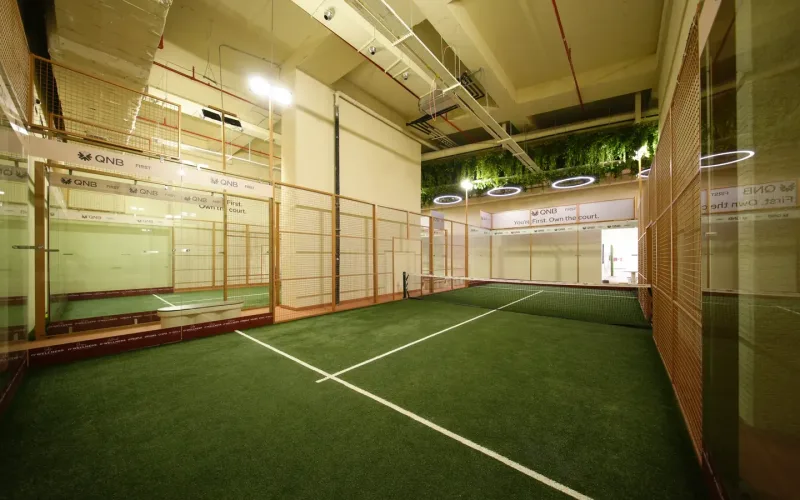
Small activities can be planned for waiting players: coffee, conversation, or game analysis. At venues with a lounge area, like O'Padel Beytepe in Ankara, waiting time passes like a break. In this way the format not only organizes court use but also creates an environment where the community gets to know each other.
A short evaluation with everyone together at the end of the event gives ideas for the next night. Questions like which match length worked, which adjustment was too much, and who wanted to play more shape the format to the community. In this way the system becomes the group's own culture over time.
What the format is not suited for
The winners-stay format is not ideal for a serious, level-focused tournament, because ranking results can be accidental and it does not guarantee that everyone plays an equal number of matches. In those cases, other formats such as a group stage, a league, or Americano are more suitable.
In groups with a very large level gap, strong players staying for long and beginners losing constantly can hurt morale. In that case, creating different courts or different queues by level is fairer. The format should be seen as a tool that recognizes its purpose and can be flexed by the organizer.
When the number of participants changes a lot, the plan needs to flex too. Sometimes a last-minute arrival disrupts the queue; in that case staying calm and adding the new player to the end of the queue is enough. Flexibility is the main reason the format is liked.
This respectful attitude makes everyone want the next meetup by the end of the night.
The attitude of the loser and the winner
Since losing in this format means leaving the court, it is felt more quickly on an emotional level. The losing pair should step to the queue graciously, and the winning pair should act without showing off. A short handshake and a sentence like "good match" prevent a tense atmosphere.
Remember, the real aim in social padel is for everyone to play and enjoy themselves. The format works as long as it serves that aim. When things are not going well, reviewing the rules and talking with the group preserves the spirit of the system.
The format is especially helpful for beginners: short matches reduce pressure and offer a new chance right after every loss. Beginners are spared from having one bad match linger in memory for long. This makes the learning process lighter.
Frequently Asked Questions
How many people can play the winners-stay format?
A meaningful queue forms with at least six people, but it works most efficiently with groups of eight or ten. As the number of participants grows, individual matches should be kept shorter.
What if the same pair keeps winning?
Setting a limit on consecutive wins is the most common solution. Moving the winning pair to the queue after two or three matches gives other players a fair chance.
How long should the matches be?
It depends on the number of participants and courts. In crowded groups a single set or a short time limit works well; with fewer participants longer matches can be planned. Asking your coach or the organizer for a suggestion is helpful too.



 Padel Courts
