
Okul zili çaldığında düzen oturur; tatil başladığında ise günler boşalır, ekran süresi uzar ve ebeveynler “bugün ne yapsak?” sorusuyla uyanır. Okul tatilinde çocuk hareketini sürdürmek, hem enerjisini sağlıklı yönde boşaltması hem de günü anlamlı kılması açısından önemlidir. Padel, kapalı bir kortta kısa ve eğlenceli bir seans sunduğu için ailelerin tatil planına kolayca yerleşebilir. Bu yazıda Ankara’daki bir ailenin tatil gününü nasıl esnek biçimde kurabileceğini, hangi dengeleri gözetebileceğini ve çocuğun hem hareket hem dinlenme ihtiyacını nasıl karşılayabileceğini ele alıyoruz. Önerilerimiz genel niteliktedir; her çocuğun yaşı ve sağlık durumu farklıdır.
Why does routine matter on break?
The school term gives a child an external order: wake-up time, class schedule, recess. When this frame disappears on break, children can sometimes feel directionless. Sleep times shift, meals get irregular, and screen time grows. A small routine helps gather this looseness.
A routine does not mean a rigid schedule. A few fixed points in the day are enough: wake-up time, a movement block, lunch, free play, and evening calm. A morning padel session can be one of the strongest fixed points of the day. When the child knows the most fun part of the day falls in the morning, waking up gets easier too.
A break routine gives comfort to the family as well. Instead of a "what shall we do?" argument every morning, when certain days have known activities, both child and parent relax. Of course this order is flexible; it can change when weather, illness, or family plans require.
In the first days of a break it may take children a little time to settle into the order again. Accept this as a transition period rather than seeing it as a failure. After a few days children usually get used to the new rhythm and become more willing in the mornings.
A sample day plan
The following plan can be considered a flexible framework:
- Morning: Kahvaltı, hafif hazırlık ve kısa bir padel seansı (çocuğun yaşına göre uzunluk ayarlanır).
- After the session: Su, hafif bir atıştırmalık ve sakin bir dinlenme.
- Lunch: Birlikte yemek ve serbest zaman; çocuğun seçtiği bir etkinlik.
- Afternoon: Dinlenme, okuma ya da yaratıcı bir faaliyet; mümkünse açık havada kısa bir yürüyüş.
- Evening: Aile zamanı, hafif bir oyun ve erken sakinleşme.
This plan does not have to be applied every day. Some days can be a court session, others another activity. Padel two or three days a week and different activities on the remaining days keep the child's interest fresh.
Asking for the child's opinion while planning is also important. Asking 'Which day this week would you like to be on court?' makes the child an owner of the plan. A child who makes their own choice comes to the session more willingly.
Tips for the morning session
On break, morning sessions are calm and children are usually energetic. Having a light breakfast before heading out is fine, but avoid a very heavy meal. A water bottle, a spare shirt, and comfortable shoes should be in the bag. The child being excited about the session makes the preparation easier too.
Begin with a short warm-up: light jogging, jumping, arm circles. Then simple ball drills and fun games can follow. The aim of the session is not performance but moving and laughing. If you work with a coach, you can request a more game-oriented session for the break period.
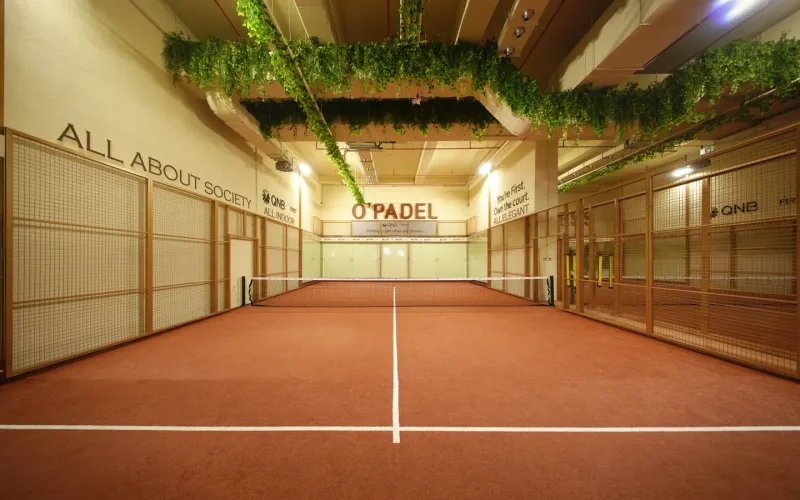
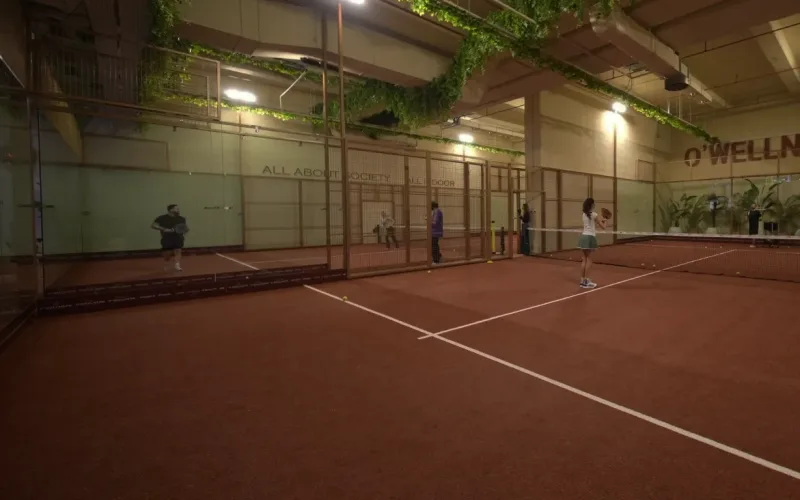
Coming with siblings or friends enriches the session as well. Children draw both motivation and courage from each other. At places with indoor courts such as O'Padel Beytepe, playing without upsetting the plan even on cold or rainy break days is possible, which makes it a practical option for families.
A child's energy is not the same every day. Some mornings are very lively, others quiet. On quiet days, lightening the session or putting weight on games keeps the child from cooling toward sport. Flexibility is the best friend of holiday plans.
Balance of rest and screens
Break is a child's right to rest, but resting does not mean being in front of a screen all the time. After an active morning, a calm afternoon is a natural period for the body and mind to recover. Offering options such as reading, drawing, doing puzzles, or listening to music during this time balances screen time.
Setting shared rules for screen use in advance reduces arguments. For example, clear limits such as "one hour of screen in the afternoon, off after dinner" give the child predictability. Since the parent's own screen habits also set an example, putting the phone down while spending time together is a valuable gesture.
Don't lose sight of sleep routines either. Letting bedtimes and wake-up times shift too much on break can make the transition harder when school starts. A flexible but reasonable bedtime helps the child be comfortable both on break and on return to school.
It is nice to discover screen-free periods together with the child as well. Simple activities such as cooking together, playing a card game, or going for a short walk become warm moments that fill the place of the screen.
Adding family time
One of the most valuable parts of a break is time spent as a family. Because of its four-player structure, padel is one of the rare sports a family can play together. A family match on weekends, with parents included, can turn an ordinary break day into a special memory.
In a family match, put enjoyment ahead of competition. A match where roles switch, kids beat the parents, and everyone laughs is a remembered moment. A meal together or a short walk after the match completes the experience. If there is a health concern in the family, a doctor should be consulted before starting sport.
For families living around Beytepe, it is possible to combine padel with other activities, such as a walk in natural areas like Lake Eymir. That way the break day includes both sport and nature. It is enough to decide your plans by the weather and the child's energy.
After the family match, everyone taking turns to share their 'best moment of the day' can be a small ritual that reinforces the experience. For children these memories become the most remembered parts of the break.
The end-of-break transition
In the last week of the break it is necessary to gradually return to the school routine. Small steps such as moving bedtimes earlier gradually and bringing morning sessions forward soften the transition. Padel sessions can be used as a rhythm tool in this transition: an early morning session becomes a herald of the new order for the child's body.
Don't drop the sports routine when school starts; flexing sessions in busy periods is far better than cutting them. When the movement habit built on break continues during the school term, it becomes a valuable source of stability for the child.
The break is temporary but valuable; filling it with movement, joy, and family warmth leaves a mark that stays in a child's memory for a long time. Moving ahead with small steps and a flexible attitude is enough.
Frequently Asked Questions
Should a child play padel every day on break?
No need. Two or three sessions a week can be enough for most children; other days can be varied with different activities. Decide according to the child's tiredness.
What if my child doesn't want to play in heat or cold?
An indoor court reduces dependence on weather. Still, not forcing on a day the child doesn't want to protects motivation in the long run.
What should I do if my child gets very tired after the session?
Shorten the session and give rest time afterward. If the tiredness is constant and excessive, consult a pediatrician.



 Padel Courts
