
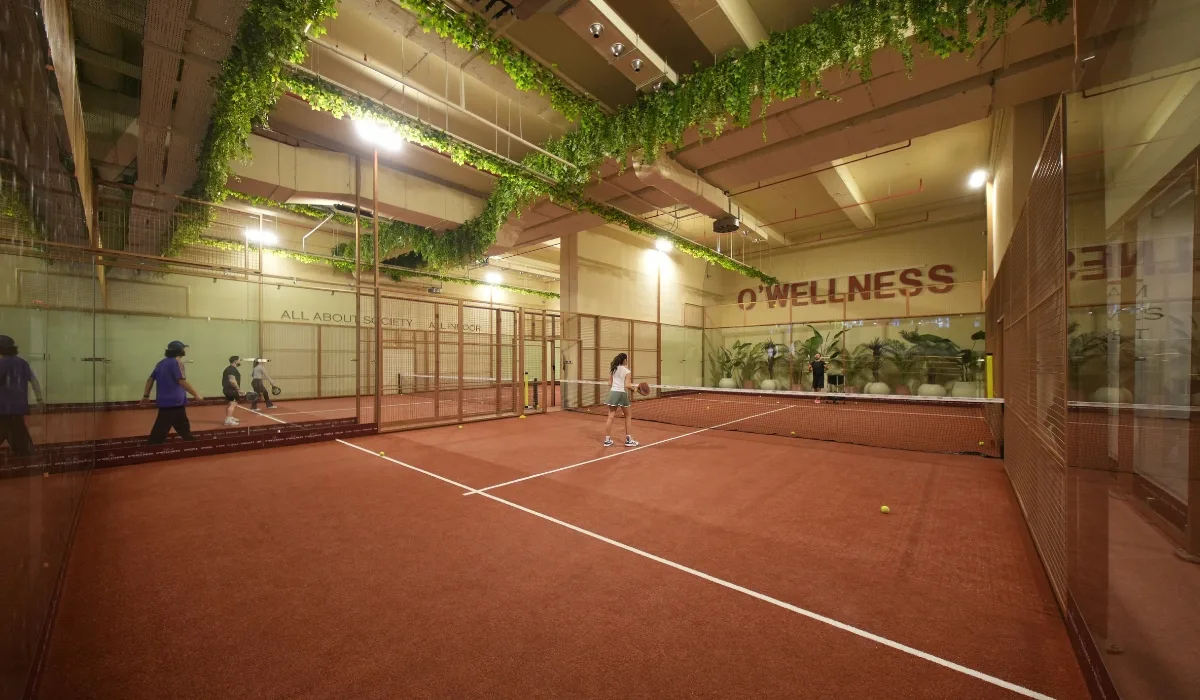
Padel cardio padel is by nature an interval sport, in which short, intense rallies alternate with short rest periods. Your heart rate rises during a rally, drops partly between points and on changeovers, then climbs again with a new rally. This wave-like pattern trains both aerobic endurance and short bursts of high-intensity effort. As a result, besides being an enjoyable game, padel is an activity that can contribute to overall fitness when played regularly.
In this post, as the O’Padel Beytepe coaching team, we explain how padel loads the cardiovascular system, how you can interpret heart-rate zones, the on-court and off-court interval structure, and the basic principles of safe loading. An important note: this post is for general information only. If you have a heart condition, a blood-pressure problem, take regular medication or have had a long period of inactivity, be sure to consult your doctor before starting padel or increasing intensity.
Summary
- Padel has a natural interval structure made up of rallies and breaks.
- Playing level, format and playing style noticeably change the cardio load.
- Heart rate zones offer a practical framework for tracking intensity, but they're individual.
- Off-court aerobic and interval training supports your endurance on court.
- If you have a cardiovascular health condition, consult your doctor before increasing intensity.
Why Is Padel an Interval Sport?
Interval training is a form of training in which periods of high-intensity work alternate with lower-intensity recovery periods. The structure of padel matches naturally fits this definition. A rally can last from a few seconds to several tens of seconds, followed by collecting balls, preparing to serve and a short breather. There's a changeover between games and a slightly longer break between sets.
The movements during a rally reinforce its interval character: short sprints, sudden stops, side steps, backpedaling, jumps and overhead shots. These movements create short but intense energy demands. The short rest between points, meanwhile, gives the body a chance to partially recover.
The practical takeaway is this: in padel, fitness means not only “being able to run for a long time” but also “being able to recover quickly after an intense effort.” In the third set, or in the final rounds of a long Americano evening, it's often this recovery capacity that makes the difference.
Recovery capacity also affects technical quality. As fatigue builds, footwork slows, shot preparation lags and decision-making suffers. So fitness isn't just a physical matter; it's also a prerequisite for choosing the right shot at the end of a match. A well-conditioned player is better able to maintain their early-match technical quality right to the end.
What Determines the Cardio Load?
The cardiovascular load of padel isn't the same for everyone. Even four players on the same court can experience different intensities. The main factors affecting the load are:
- Level: As level rises, rallies get longer, ball speed increases and the amount of movement goes up. For beginners, rallies are shorter and pauses more frequent.
- Playing style: There can be a marked difference between a player who constantly moves up to the net and back, covering a lot of ground, and a more static player.
- Court position: A player being run around at the back while defending may expend more effort than a player waiting at the net.
- Format: A social match, an intense league match or an Americano with back-to-back rounds each create a different total load.
- Personal fitness: The same effort can feel moderate for a fit player and high-intensity for a beginner.
- Environment: Hot, humid conditions increase cardiovascular load. Indoor, climate-controlled courts largely keep this variable constant.
That's why we recommend being cautious about generalizations like “padel burns this many calories” or “your heart rate in padel will be this much.” The best way to understand your own load is to track your own body and, ideally, your own data with a heart rate monitor.
Heart Rate Zones: A Practical Way to Track Intensity
Heart rate zones are a framework that makes it easier to track exercise intensity by dividing it into categories. They're usually defined as percentages of maximum heart rate. There are commonly used simple formulas for maximum heart rate, but they're only rough estimates and individuals can differ significantly. A more accurate value can be determined through testing under suitable conditions with a specialist.
The table below outlines the commonly used five-zone model and what each zone might look like in padel:
| Zone | Perceived intensity | Possible padel equivalent |
|---|---|---|
| Zone 1 – Very light | Easy, you can talk comfortably | Warm-up, mini-padel, cool-down |
| Zone 2 – Light | You can talk, but your breathing quickens slightly | Technical drills, slow-paced rallies |
| Zone 3 – Moderate | Sentences get shorter | Social match, moderate-paced play |
| Zone 4 – High | You can only say a few words | Long, fast rallies, intense match moments |
| Zone 5 – Very high | Talking is very hard; sustainable only briefly | Short, maximal efforts; sprints and back-to-back smashes |
If you don't use a heart rate monitor, the “talk test” is a practical alternative: can you talk comfortably during the effort, or can you only say a few words? This simple observation gives you an idea of which zone you're in. Perceived exertion scales can be used in a similar way. What matters is learning to recognize your own body's signals over time and noticing when the same effort starts to feel easier over the weeks.
When interpreting heart rate data, remember that stress, lack of sleep, caffeine, heat and some medications can affect heart rate. If you experience symptoms such as chest pain, unusual shortness of breath, dizziness, palpitations or feeling faint, stop playing immediately and see a doctor.
Want to build your fitness through the game? Reserve a regular weekly slot on our indoor, climate-controlled courts in Beytepe.
Using the Interval Structure on Court
Padel's natural interval structure can also be used deliberately in training. Some on-court interval methods we often use in lessons, as the O’Padel Beytepe coaching team, are:
- Timed drill blocks: An intense drill for a set time, followed by a short rest. For example, a fast volley series at the net followed by a few minutes of light rallying.
- Movement-focused feeding: Forward-backward and lateral movement to balls the coach sends to different corners; short but intense sets.
- Live-point sets: A set number of intense points followed by a short recovery. Creates a load close to match pace.
- Variable-tempo rallies: Switching between slow, controlled rallies and fast-paced ones; beneficial for both technique and cardio.
The intensity of this kind of work should be adjusted to your level and health. If you're just starting out, building a technical foundation and a habit of low-to-moderate-intensity play comes before high-intensity work. For our lesson options, padel lessons page.
Off-Court Cardio: Training That Supports Endurance
You can build fitness just by playing padel; however, off-court cardio can support your endurance and recovery capacity, especially as the number of matches you play increases. Two types of training stand out here:
Aerobic base
Longer sessions at low to moderate intensity, such as brisk walking, light jogging, cycling or swimming. These strengthen your aerobic base and can help you recover faster between rallies. Joint-friendly options like swimming are a great complement during heavy padel weeks.
High-intensity intervals
Workouts made up of short, intense efforts and recovery breaks, such as short sprints, shuttle runs or cycling intervals. They create a load closer to padel's movement pattern. However, this kind of training is demanding on the body; keep it limited in your weekly program and balance it with adequate recovery.
The fitness and conditioning area of O’Wellness Beytepe and the other facilities in the complex (WhatsApp for the current list) offer off-court cardio options within the same complex; in Ankara's snowy winter, this indoor alternative makes things easier than running outdoors. This structure O’Wellness ecosystem our article. For a comprehensive program, conditioning program for padel article.
Safe Training Load: Gradual Progression and Recovery
Cardiovascular capacity develops over time with regular training. The most important principle in this process is gradual progression. Rather than increasing intensity, duration and frequency all at once, it's healthier to increase one and give your body time to adapt.
Key recommendations for safe training load:
- Don't skip the warm-up: A gradual warm-up raises your heart rate slowly and prepares your body for intense effort. Our recommendations: pre-padel warm-up .
- Cool down: A few minutes of light movement and stretching after a match helps your heart rate come down gradually. See post-padel cool-down and stretching.
- Don't neglect hydration: Fluid loss can increase cardiovascular load. Details: see hydration in padel .
- Sleep and rest: Recovery is when progress actually happens. Insufficient sleep can hurt performance and recovery; we cover this topic in sleep and padel performance .
- Listen to your body: Unusual fatigue, a resting heart rate that stays high for a long time or getting sick often can be signs of overtraining.
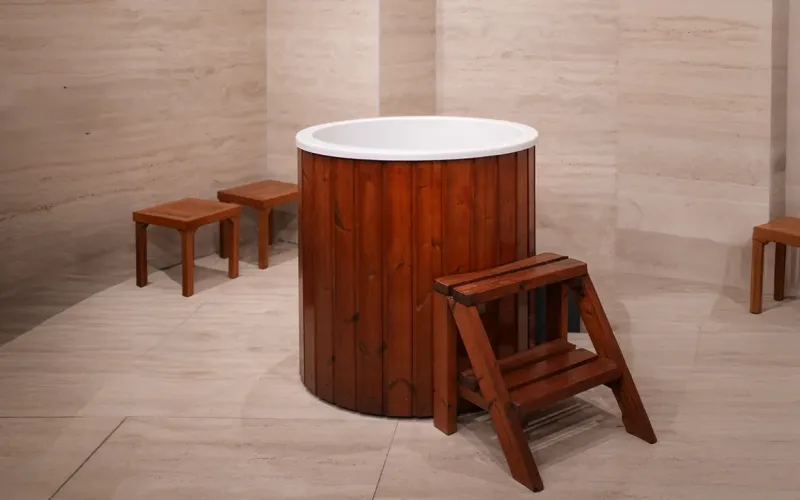
During recovery you can also make use of the facilities at O’Spa Beytepe; our recovery approach recovery & wellness page and in padel recovery guide our article. Because practices like sauna and cold water can affect the cardiovascular system, consult your doctor first if you have a related health condition.
Practical Tips for Different Profiles
Cardio goals and capacity for training load vary from person to person. The recommendations below offer a general framework for different profiles:
- Beginner: One or two sessions a week at low to moderate intensity. Focus on learning technique; your fitness will develop naturally as you play.
- Regular social player: Two to three padel sessions a week plus one aerobic base session, such as swimming or brisk walking.
- League and tournament player: In addition to padel sessions, one short interval workout and one aerobic session a week; pay attention to recovery days.
- Player returning after a long break: Get a medical check-up first, then start with low intensity and short sessions and build up gradually.
For age-specific adjustments, padel performance by age our article offers more information. For players over 40 in particular, Padel over 40 our article may also be useful.
Result
With its structure of rallies and short breaks, padel is a natural interval sport; when played regularly and supported by off-court aerobic work, it can contribute to endurance and recovery capacity. Tracking your intensity with heart-rate zones and the talk test, progressing gradually and taking care of recovery are the foundation of this process; if you have a health condition, consult your doctor at every step. At O’Padel Beytepe in the O’Wellness Beytepe complex in Çankaya, you can plan your game on our indoor, climate-controlled courts together with the fitness and recovery facilities in the same complex. As the O’Padel Beytepe coaching team, we are waiting for you on court (membership not required, WhatsApp: +90 536 908 08 00); for options book a court and padel courts page to make a reservation.
Frequently Asked Questions
Padel is an activity that increases energy expenditure when played regularly. However, weight management should be approached together with nutrition, sleep and overall lifestyle. If you have a personal goal, we recommend talking with a doctor or dietitian.
It isn't required, but it can be useful for tracking intensity and seeing your progress over time. If you don't use a heart rate monitor, the talk test is a practical alternative.
This decision is individual and must be made together with your doctor. A gradual start at the intensity and under the conditions your doctor approves is recommended.
Played regularly, it can contribute to overall fitness. Off-court aerobic training can provide additional support for endurance and recovery, especially as the number of matches increases.



 Padel Courts
