
Padel recovery means putting your post-match recovery in order instead of leaving it to chance: cool-down, fluids and food, hot-cold treatments, relaxation and sleep. The short answer: sleep is the most powerful recovery tool; sauna, cold plunge and massage don’t replace it, they add to it. The right order is light movement after the match, fluids and a protein-carbohydrate meal, then a relaxing heat treatment and a regular bedtime.
As the O’Padel Beytepe coaching team, we treat recovery as a separate training unit. If a player plays three times a week, what determines performance is not the quality of the last match's shots but how far the body has recovered between two matches. This post is for general information only; if you have a condition such as heart disease, hypertension, pregnancy, thyroid problems or a sleep disorder, be sure to consult your doctor or specialist before starting sauna and cold-water practices.
Summary
- Order matters: light cool-down and stretching, fluids and food, then hot-cold treatments, and finally sleep.
- Sleep is the foundation of recovery; no spa tool makes up for insufficient sleep.
- Sauna and steam are preferred for relaxation and blood flow; cold plunge for easing the feeling of acute soreness and swelling.
- If you’re aiming for strength gains, it makes more sense to avoid a long cold bath right after weight training.
- If pain lasts more than a week or interrupts your sleep at night, you need an assessment, not recovery; see your doctor.
Why does padel create a particular recovery load?
Padel is a sport involving sudden acceleration and stopping, changes of direction, jumps and overhead rotation. This combination loads the hips and calves, puts repeated rotation through the shoulder and causes vibration-related fatigue in the wrist and elbow.
On top of this comes the “social sport” effect: because padel is fun, players often play longer than planned. Americano evenings can go past two hours. The price of this extra load usually shows up the next morning.
If you want to build load management holistically, conditioning program for padel our article gives you the weekly framework. Recovery is the half of that framework that tends to be left empty.
The three layers of fatigue
To build recovery properly, you need to see that fatigue isn’t a single thing. Muscle fatigue is the most visible: the stiffness you feel the next day in your calves, hips and shoulders. This layer usually fades within 24–72 hours.
The second layer is nervous system fatigue. Slower reaction time, delayed ball reading and more easy errors are signs of this layer. This fatigue can persist even without muscle soreness, and it’s the part most affected by sleep.
The third layer is joint and tendon load. The discomfort that builds up from repeated loading in the shoulder, elbow and wrist falls into this group, and it’s the layer that responds most slowly to rest. Thinking about all three layers separately when planning your week explains the “I rested but played badly” situation.
The first 60 minutes after a match
The most critical recovery window is the moment you leave the court. The simple things you do in this hour largely determine the quality of the next day.
- 5–10 minutes of light movement. Bring your heart rate down by walking instead of dropping it abruptly. For the detailed flow, post-padel cool-down and stretching see this routine.
- Fluids. 300–500 ml in the first half hour; you can calculate how much you need to drink padel hydration using the weighing method in this article.
- Food. A meal or snack with protein and carbohydrates. Timing details padel nutrition guide .
- Short mobility. 5 minutes for hips, thoracic spine and shoulders; padel mobility routine covers this part.
- Mental close. Sum up the match in two sentences and let it go. Prolonged mental replay disrupts sleep.
None of these five steps requires equipment, and together they take no more than 30 minutes. At club level, this is exactly what makes the biggest difference.
Sauna, steam and cold plunge: what does each do?
Hot and cold treatments aren’t alternatives to each other but tools that do different jobs. Research generally supports this: cold treatments can help reduce the feeling of soreness and swelling after a match, while heat treatments may have a positive effect on relaxation and perceived recovery. It’s best to stay away from definitive, one-sided claims.
| Tool | Main purpose | Typical use | Watch for |
|---|---|---|---|
| Sauna | Relaxation, blood flow, mental close | Short sessions after the match, once you’ve rehydrated | Additional fluid loss; doctor’s approval if you have blood pressure or heart problems |
| Steam room | Muscle relaxation, breathing comfort | A milder option than the sauna | Short, repeated sessions are preferred over long ones |
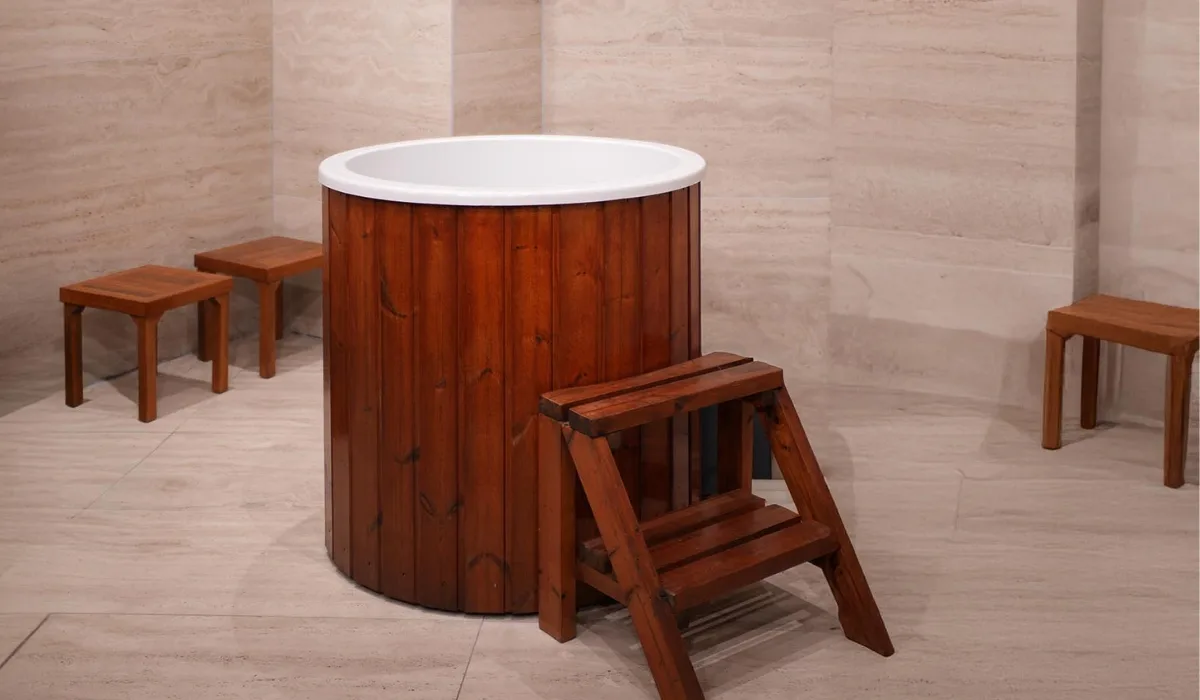
| A cold plunge | Easing the feeling of acute soreness and swelling | After an intense match or tournament, for a short time | Doctor’s approval required for cardiovascular disease, hypertension or pregnancy |
| Sports massage | Reducing tension, perceived recovery | 24–48 hours after a hard match | If acute injury is suspected, get assessed first |
| Sleep | Holistic recovery | Every night, at a regular time | Nothing replaces it |
O’Spa Beytepe in the same complex is a suitable place for post-match recovery; you can ask about current treatments and hours on WhatsApp. How to fit these tools into your own programme recovery and wellness is on our page. For details specific to cold water, does cold plunge work for padel players we recommend reading our article.
Soft tissue work
A foam roller, massage gun and short manual release work help most players reduce the feeling of tension after a match. It’s more accurate to think of them as tools for comfort and ease of movement, not as treatment.
The areas that need it most in padel are the calves, the front and outer hips, the upper back and the forearms. A minute or two per area is enough; working around a sharp, pinpoint pain is preferable to rolling right over it. If pain lasts more than a week, you need to see your doctor, not switch tools.
Contrast therapy: how to set up a hot-cold cycle
Contrast therapy means alternating hot and cold treatments. In practice, it’s players’ favorite method because it both relaxes and refreshes.
A simple cycle
- A short warm-up round in the sauna or steam room.
- In a cold plunge, as long as you can tolerate, a short time.
- A few minutes on the side, breathing normally.
- Repeat this pair two or three times; choose whether to finish the last round with hot or cold based on your own comfort.
The key principle is not to force it. If you’re losing control of your breathing or feel dizzy or tightness in your chest, get out and stop. Where contrast treatments fall in your day matters too: long cold sessions very close to bedtime can make it harder for some people to fall asleep.
If you want to fit your match and recovery into the same visit, plan your court and what comes after together.
Sleep: the most powerful and most neglected tool
Recovery conversations usually start with spa tools, but the order should be reversed. Sleep is the most comprehensive process affecting the nervous system and muscle repair. Skills that pay off directly in padel, such as reaction time, decision speed and ball reading, are the areas most affected by sleep.
The most common problem for players who play evening matches is staying wired after leaving the court. These help:
- Cutting down bright screen time after the match.
- Not eating too close to bedtime.
- Setting up a consistent “wind-down” routine with a shower and a warm drink.
- Keeping your wake-up time on weekdays and weekends as close as possible.
- Avoiding caffeine and alcohol late in the day.
If you suspect a sleep disorder, for example snoring, marked daytime sleepiness or frequent waking, don’t treat it as a recovery issue; seeing your doctor is the right step.
A sample weekly recovery plan
A workable framework for a player who plays three times a week:
- Monday: Match. Afterward, cool-down, fluids, food, short mobility.
- Tuesday: A light day. A walk or light mobility; a calm stretching session at O’Wellness Beytepe is a good choice for this day.
- Wednesday: Match or Americano. If it ran long, follow with the sauna and a short cold plunge.
- Thursday: Reformer Pilates or core work; for details, see our padel reformer Pilates article.
- Friday: Full rest or mobility.
- Saturday: Match or tournament. If it was intense, contrast treatment in the evening.
- Sunday: Sports massage, light stretching, early bedtime.
If you have recurring shoulder discomfort, padel shoulder injuries add the protective exercises in the article to this plan. If you have persistent pain, a sports physiotherapist's assessment and a doctor's opinion come before changing the plan.
How do you measure recovery?
Recovery isn’t an abstract feeling; you can track it with simple indicators. For most players, answering three questions every morning is enough: how did you sleep, is there stiffness in your muscles, how much do you feel like playing today? Rating the three answers from 1 to 5 and writing them down shows a clear trend over the weeks.
If your scores drop two days in a row, it makes sense to reduce the load and do technical work instead of an up-tempo match. If, on the other hand, your scores go up, you’re ready for an intense Americano evening. This approach requires no expensive devices and is the most useful practice for club-level players.
There are also red flags to watch for: pain that doesn’t go away despite rest, discomfort that wakes you at night, joint swelling or marked loss of strength. These aren’t reasons to change the plan but reasons to get assessed; you need to see your doctor or a sports physiotherapist.
Common recovery mistakes
The most common mistakes we observe at the club are:
- Mistaking tools for the goal. Sauna and cold plunge don’t make up for poor sleep or a skipped meal.
- Masking pain with routines. Persistent pain is a warning; it should be assessed, not suppressed.
- Playing every session at maximum intensity. There’s no recovery without light days.
- Using stretching in place of a warm-up. Before and after the match, they do different jobs.
- Trying something new during tournament week. No new practice gets tested for the first time on competition day.
If you want to build your lesson and training plan together with recovery, padel lessons tell your coach about your weekly load during the session; the program will be shaped around it.
Conclusion: Match and Recovery Under One Roof in Beytepe
At O’Padel Beytepe in the O’Wellness Beytepe complex in Beytepe, the most tangible advantage is that the distance drops to zero: moving from the court to O’Spa Beytepe in the same complex, or doing a short mobility session in the O’Wellness Beytepe fitness area, takes a few minutes. For a player coming from Eskişehir Yolu, Çayyolu or Ümitköy after work on Ankara’s cold winter evenings, this means recovery isn't postponed to the next day and they get home without being chilled outside. For court features padel courts, for planning your time, book a court you can take a look at our page or write to us on WhatsApp (+90 536 908 08 00); membership is not required.
Frequently Asked Questions
If you want to reduce the feeling of soreness and swelling after an intense match or tournament, a short cold treatment can help. But rehydrate first instead of going in dehydrated. If you have cardiovascular disease, hypertension or are pregnant, don’t go in without your doctor’s approval.
For most players, a foam roller reduces the feeling of tension and temporarily improves ease of movement. It makes sense to use it alongside stretching and mobility work. Avoid rolling over sharp, pinpoint pain, and get assessed if the pain persists.
For a player who plays three times a week, at least one full rest day and one light day is a good start. During tournament weeks when the load increases, you need more light days. If your sleep quality drops and your motivation fades, those are signals to reduce the load.
If your goal is muscle and strength gains, it seems more sensible to avoid a long cold treatment right after a weight session. You can schedule cold treatments on match days or at times well away from your strength session. It’s healthiest to build your program with a specialist.
As a general approach, right after a hard match, a relaxing heat treatment is more comfortable than a deep massage. Leaving deep sports massage until 24–48 hours later is a common choice. If an acute injury is suspected, an assessment by a doctor or physiotherapist is needed before either.


 Padel Courts
