

Padel pilates, especially pilates performed on the reformer, is a complementary training method that can help padel players improve balance, core control, hip and shoulder mobility, and body awareness. Because padel is a sport that demands sudden changes of direction, single-leg balance and trunk rotation, the controlled and precise movements of reformer pilates can build a foundation that supports on-court performance.
As the O’Padel Beytepe coaching team, in this post we explain why reformer pilates can be valuable for padel players, which physical skills it targets, how it can fit into a weekly programme and what role it can play in injury prevention. If you have an injury, chronic pain or a health problem, we recommend consulting your doctor before starting a new exercise programme, including pilates.
What Is Reformer Pilates?
The reformer is a pilates apparatus made up of a sliding carriage, springs, ropes and pulleys. Thanks to the springs, both resistance and assistance can be added to movements. This design allows the same exercise to be performed at different levels and difficulties. Reformer pilates is built on controlled movement, coordinating breath with movement, trunk stability and movement quality.
Compared with mat pilates, the reformer makes it possible both to increase load and to support challenging movements through its springs. That is why it can be adapted to athletes of different levels. O’Wellness Beytepe in Ankara Beytepe is a wellness area that also includes reformer pilates and fitness work; so you can plan padel and pilates within the same complex.
Why Should Padel Players Do Reformer Pilates?
Padel is a sport in which many movements are made in different directions in a short time. Players move forward, backward and sideways; they bend their knees for low balls, reach for high balls and rotate their trunk to hit. The quality of these movements depends largely on trunk stability and joint range of motion.
| Padel need | Possible contribution of reformer pilates |
|---|---|
| Balance when changing direction | Balance and control through single-leg work |
| Power transfer on the smash and bandeja | Core stability and trunk control |
| Getting down to low balls | Hip and knee control, hip mobility |
| Overhead shots | Shoulder stability and shoulder blade control |
| Rotational shots | Thoracic (upper back) mobility and rotation control |
Reformer pilates doesn't replace padel technique, but it can help strengthen the physical foundation that lets you execute it. For example, a player with a stable trunk can transfer power from the legs to the racket more efficiently during a smash.
Balance and Core Control
In padel, the core is more than just your abdominal muscles. The entire muscle system that surrounds the trunk and supports the spine provides stability during movement. A strong, controlled core supports both shot power and balance while moving.
Core work on the reformer is usually focused on control, not just strength. Performing movements slowly and with control teaches muscles to fire at the right time and in the right order. This can help keep the trunk more stable during sudden movements on court.
Balance work is another strength of the reformer. Single-leg movements on the sliding carriage require the ankle, knee and hip to work together. In padel, staying balanced on one leg while reaching for a ball or stopping suddenly is a common situation. For padel-focused core training tips, see our core training for padel article.
Breathing and focus
One of the core principles of pilates is coordinating breath with movement. Exhaling during the challenging part of a movement while keeping the trunk stable is a habit that can also serve you on court. In padel, exhaling in a controlled way instead of holding your breath during a smash or a powerful volley supports trunk stability and shot rhythm.
The focus pilates requires can also benefit your padel indirectly. Concentrating on performing every movement consciously and with control increases your awareness of where and how your body moves. This awareness can help you manage your foot position, trunk angle and racket preparation more deliberately on court.
Summary
- Reformer pilates can support padel players' balance, core control and mobility.
- Controlled movements can contribute to trunk stability during sudden movements on court.
- Hip, upper back and shoulder mobility are important for padel shots.
- One or two sessions a week can be a balanced complement to your padel program.
- If you have an injury or pain, consult your doctor before starting a program.
Mobility: Hips, Upper Back and Shoulders
Most padel shots rely on body rotation. In shots like the forehand, backhand, bandeja and víbora, power starts in the legs and is transferred through the hips and trunk to the arm. If hip and upper back mobility is limited in this chain, the shoulder or lower back usually tries to compensate for the missing movement. Over time, this can place extra load on those areas.
- Hip mobility: Free hip movement when getting down to low balls and during side steps can help reduce the load on the knees.
- Upper back mobility: Most trunk rotation should come from the upper back; limited movement in this area can place extra load on the lower back.
- Shoulder mobility and stability: On overhead shots like the smash and serve, it's important for the shoulder to be both mobile and controlled.
Many movements on the reformer work the mobility of these areas in a controlled way. Additional mobility tips padel mobility routine can be found in our article.
Book a session to test the balance you've built with pilates on court.
Bridging pilates and padel technique
It helps to build a deliberate bridge to carry your pilates gains onto the court. For example, you can try to recall the trunk stability you learned on the reformer while serving or hitting a bandeja. You can also raise this topic in your padel lessons with a coach and focus on trunk control in your shots. For a general framework on stroke technique, see our padel shot techniques guide .
Over time, many players say they feel more balanced on court after pilates work and move more comfortably when changing direction. This experience can vary from person to person; what matters is working consistently and tracking your progress through your own observations.
The Role of Reformer Pilates in Injury Prevention
Common problems in padel include strains in the shoulder, elbow, knee, ankle and lower back. Many of these issues are associated with repetitive load, insufficient movement control and unbalanced muscle development. By providing controlled strengthening and movement awareness, reformer pilates can help reduce some of these risk factors; however, it is not a method that completely prevents injuries.
For example, shoulder stability work can help the joint move with more control on overhead shots. Hip and knee control work, meanwhile, can help reduce the knee caving inward during changes of direction. For more information on specific injuries, see shoulder injuries in padel and knee and ankle in padel you can take a look at our articles.
If you have an existing injury or pain, rather than following a pilates programme on your own, we recommend first consulting your doctor and then, if needed, working with a physiotherapist or an experienced instructor. For expert support in the O’Wellness Beytepe fitness and conditioning area in the same complex, you can get information on WhatsApp; for recovery options recovery and wellness page.
How to Fit It into Your Weekly Schedule
When adding reformer pilates to your padel program, the goal is not to increase total load but to balance the load padel creates. For that reason, avoid cramming pilates sessions into the same day as intense padel matches or into back-to-back heavy days.
- Beginner: One reformer session a week is a good starting complement to your padel program.
- Development: As you get used to the movements, you can increase to two sessions a week.
- Timing: Pilates sessions can be scheduled as active recovery the day after intense padel days or on days without matches.
- Tournament period: Right before important matches, choose a light session with movements you're used to instead of trying new, challenging ones.
| Day | Sample activity |
|---|---|
| Monday | Padel lesson |
| Tuesday | Reformer pilates |
| Thursday | Padel match |
| Friday | Reformer pilates or light mobility |
| Saturday | Americano or league match |
For a balanced program alongside strength and conditioning work, conditioning program for padel and leg strength for padel check out our articles as well.
Returning to the court after pilates
Playing an intense padel match right after a pilates session, especially after a challenging core or leg session, can affect performance due to muscle fatigue. So if you're planning both pilates and padel on the same day, it's better to keep the pilates light and mobility-focused or leave enough time between the two activities. Some players prefer to use a short, light mobility session as part of their warm-up before a match; that is also a reasonable option.
When balancing pilates and padel, listening to your body's signals is your most important guide. If you feel excessive muscle soreness or fatigue the next day, you may need to reduce the intensity.
What to Know When Starting Pilates
If you're new to reformer pilates, it's important to focus on learning the logic of the movements and coordinating breath with movement in your first sessions. Pilates is a method built on control and precision rather than fast, intense training. So in your first sessions, focus on doing the movements correctly rather than pushing yourself.
- Choose a class that suits your level: Starting with beginner-level classes helps you learn the basic principles.
- Inform your instructor: Tell your instructor that you play padel and about any history of pain or injury.
- Suitable clothing: Choose fitted clothing that doesn't restrict movement, and non-slip socks.
- Be patient: Improving movement quality takes time; consistency matters more than intensity.
You don't need a specific age, flexibility or fitness level to start pilates. Because the reformer can be adapted to any level through its springs, it offers suitable options for both beginners and experienced athletes. Tips for players over 40 can be found in our article Padel over 40 , and starter information for women players in our article padel for women: getting started . If you're pregnant or postpartum, be sure to consult your doctor before starting pilates.
The social atmosphere of group reformer classes also supports motivation. Joining the same pilates class as players you've met on court can make it easier to keep up both activities. For community events, see community page.
Result
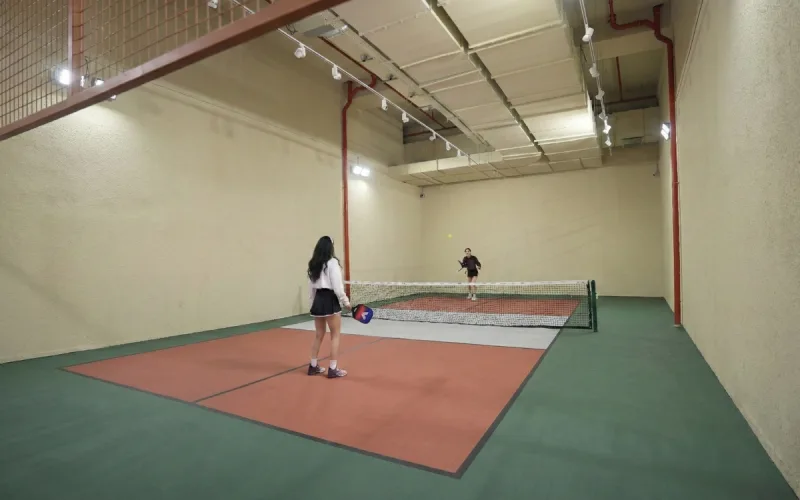
Reformer pilates can be a valuable complementary training method for padel players, supporting balance, core control, mobility and movement awareness. By bringing balance to the repetitive load that padel creates, it can help support both your performance and your long-term athletic health. At the O’Wellness Beytepe complex in Çankaya, the indoor courts of O’Padel Beytepe and reformer pilates sessions are under one roof; this makes it easy to plan both disciplines at a single address even on Ankara’s cold winter days. As the O’Padel Beytepe coaching team, we are waiting for you in Beytepe to get stronger both on court and on the reformer. For lesson options padel lessonspage for our courts and the book a court check out the pages.
Frequently Asked Questions
One session a week is a good complement to start with; as you get used to the movements, you can increase to two sessions a week.
No. It can help reduce some risk factors through movement control and strengthening, but it is not a method that completely prevents injuries.
If you have an existing injury or pain, we recommend first consulting your doctor and then, if needed, working with a physiotherapist or an experienced instructor.




 Padel Courts
