
Ankara padel lessons the first question you’ll face is usually this: private lessons or group lessons? The answer depends on your level, your budget and how fast you want to progress.
In this article we explain the differences between one-to-one, semi-private and group lessons, which makes more sense in which situation, and how the coaches at Beytepe support this decision.
Three formats: one-to-one, semi-private, group
In padel lessons, there are three basic formats: one-to-one (1:1), semi-private (1:2) and group (1:4) lessons. Each offers a different balance of learning pace, individual attention and cost.
Ankara padel lessons for someone looking for this, choosing the right format makes the learning process both more efficient and more enjoyable.
This decision is also related to your personal learning style; some players learn faster with individual attention, while others draw more motivation from the competitive and social atmosphere of a group.
One-to-one lessons: fast, personalised progress
In a one-to-one lesson the coach’s full attention is on you; this means technical mistakes are spotted and corrected quickly. If you’re having trouble with a particular shot (for example the bandeja or the serve), a one-to-one lesson is the fastest solution.
The video analysis option is also usually used more effectively in one-to-one lessons; watching your own movement and analysing it with the coach lets you see your progress in concrete terms.
The close working relationship built with the coach in a one-to-one lesson also allows a development plan tailored to the player’s style over time; in the long run this means more targeted progress.
Since the pace of progress in a one-to-one lesson depends entirely on you, this format may suit you better if you’re aiming for intensive improvement in a short time; however, this intensity can sometimes increase physical fatigue too, so planning rest days is important.
Semi-private lessons: the middle ground
A semi-private (1:2) lesson lets you split the cost while still getting individual feedback. Working with a partner also offers practice closer to real match dynamics in padel, which is played in pairs.
This format is a balanced option for both technical and tactical work, especially during the transition to intermediate level .
If you can choose your partner yourself in a semi-private lesson, picking someone with similar goals increases the lesson’s efficiency; two players with different goals in the same semi-private lesson can sometimes slow each other’s progress.
Group lessons: a social, budget-friendly start
Group lessons (4 people) are advantageous for beginners in terms of both cost and sociability. Learning together with people of the same level increases motivation and lets you discover the social side of the game early.
- Group lessons are generally grouped by level, so you work with players of a similar standard.
- Individual feedback is more limited than in a one-to-one lesson, but it’s enough for learning the basic technique.
- It’s the most natural environment for making new playing friends.
The social bond formed in a group lesson often carries on outside the lesson too; many players start having regular social matches with friends they met in group lessons.
The competitive but supportive atmosphere in a group lesson helps beginners in particular quickly overcome their shyness about getting on court.
Which format should you choose for your level?
For beginners, starting with group lessons and moving to semi-private lessons after a few months is a common route. Intermediate players usually strike the technical-tactical balance with semi-private lessons. For those who want to move up to advanced level or prepare for a tournament , one-to-one lessons, especially when supported by video analysis, give the fastest progress.
It’s also useful to revisit your format choice over time; going back to group lessons after solving a specific technical issue, or the reverse, can be a natural part of the progress process.
Lesson format for children
The academy programmes designed for children aged 7-16 are run with a group dynamic suited to the age group. In this format children both build a technical foundation and learn to love the sport by socialising with their peers.
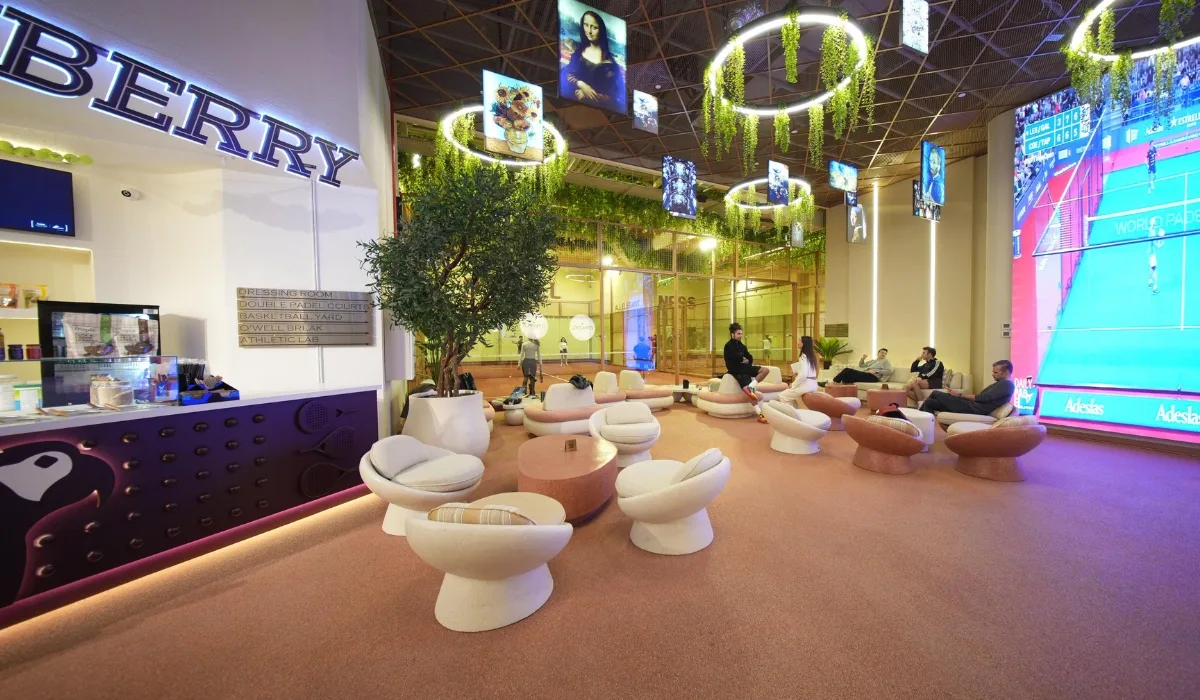
For those who want to spend time at Beytepe as a family, while the children are in their lesson, parents can in the lounge area wait or plan their own session.
For parents too, this time spent on the court or in the lounge is an opportunity to enjoy their own social time while watching their children get to know the sport.
How do you choose the right format at Beytepe?
If you can’t decide which format suits you, starting with a trial lesson is a good method. The coach can assess your level and goals and suggest the most suitable format. Changing your format over time is also entirely possible; many players move from group lessons to one-to-one, or the reverse, along the way.
Asking the coach for honest feedback after the trial lesson gives you a clear direction on which format will improve you faster.
A mixed approach: combining different formats
Many experienced players combine different formats instead of sticking to just one: they keep the social and competitive environment with a weekly group lesson, while fine-tuning their technique with one or two one-to-one lessons a month. This mixed approach offers a balanced solution in terms of both cost and progress.
The coaches at Beytepe can plan such mixed programmes together with you according to your goals.
Why does choosing a coach matter?
As much as the lesson format, the coach’s teaching style also affects the learning experience. Some coaches take a more technical and detailed approach, while others concentrate on in-game practice and tactics. Assessing this fit in the first few lessons is useful for long-term satisfaction.
Lesson frequency: how many lessons a week?
For beginners, one lesson a week is usually enough to establish the basic technique. Those who want to progress faster can step up to two lessons a week; however, physical recovery needs to be taken into account too.
For those moving up to advanced level or preparing for a tournament, two to three lessons a week, supported by sparring matches, produce more effective progress.
Deciding with a trial lesson
If you can’t decide which format suits you, starting with a trial lesson is the healthiest method. During this lesson you get the chance to assess both your rapport with the coach and your format preference.
Building a long-term lesson plan
Rather than limiting yourself to a single lesson, building a three-to-six-month lesson plan lets you move toward your goals more systematically. Creating this plan together with your coach clarifies which format will suit which period.
Don’t hesitate to change your lesson format
If you start with one format and aren’t happy, changing format is a completely normal process. Open communication with your coach on this helps both you and your coach find the most productive way of working.
Different approaches for adults and children
Adults generally prefer goal-oriented and direct feedback, while a play-based and fun teaching approach works better for children. Coaches who know this difference adapt lesson content to the age group.
Questions to ask yourself when choosing lessons
Before deciding, ask yourself the following: How fast do I want to progress? What is my budget? Do I draw more motivation from a social environment or from individual attention? The answers to these questions will clarify which format suits you better.
One last framework to make the format decision easier
As a simple rule: if you want fast, personalised progress, consider one-to-one; if you want a balanced option, semi-private; if you want a social, budget-friendly start, a group lesson. This framework isn’t a hard rule, but it’s a practical starting point that simplifies the decision process.
Quick summary: choosing the right format
In short, choosing a lesson format depends on your personal goals, your budget and your learning style. If you can’t make a firm decision, starting with a trial lesson and asking the coach for an honest assessment is the healthiest way.
The link between lesson format and tournament goals
If your goal is to take part in tournaments one day, it makes sense to shape your lesson format choice around that goal. Building a foundation with group lessons at first, then increasing the share of one-to-one and semi-private lessons as the tournament approaches, can be a strategy that balances both budget and progress.
Wrap-up: don’t hesitate to try
Whichever format you choose, the most important step is to start trying. As you get to know your own needs better over time, you can adjust your format accordingly; this flexibility is one of the most practical aspects of the lesson system at Beytepe.
Tips for preparing before a lesson
Before going to your first lesson, wearing sportswear you can move comfortably in and drinking enough water helps you get the most out of the lesson. If you need to rent equipment, mentioning it at booking speeds up the process.
A simple way to track your progress
Whichever format you choose, after a few lessons asking yourself ‘what can I do more comfortably than in the first lesson’ lets you notice your progress. This simple awareness helps keep your motivation high.
The importance of practising after a lesson
Whichever format you choose, to reinforce the technique you learn in the lesson you need to practise outside it too. Playing regular social matches with friends or doing repetition drills against the wall helps what you learned in the lesson stick.
Making the format decision together with your partner
If you’re starting lessons with a partner (spouse, friend, colleague), talking about both of your goals and expectations clarifies which format will suit you both. For two people with different goals, separate formats (one group, one one-to-one) can sometimes make more sense.
In the end, the right question: what do you want?
Choosing a lesson format really comes down to a simple question: do you want fast individual progress, or a social and budget-friendly start? The answer to this question will point you to the right format.
Indecision is normal, the first step is enough
It’s completely normal not to be able to decide which format to choose; to make this decision you first need to have experienced the sport. So instead of spending too much time debating formats, taking your first lesson in any format will make the remaining decisions much easier.
The easiest way to find the right lesson format is to start with a trial lesson. You can contact us via our WhatsApp line to meet our coaches at Beytepe.
Relating format choice to the progress curve
The progress curve is fast at first and becomes more gradual over time; so progress that seems quick in the first months may slow after a few months. Knowing this natural process lets you make more informed decisions when choosing to change format (for example, moving to one-to-one lessons when progress slows).
Final thoughts
In the end, whichever format you choose, consistency is the most important factor. An occasional excellent lesson is less effective than a regularly taken good one; so choosing a format and frequency you can sustain is the key to long-term progress.
There is no single right answer to the private vs group lesson question; it changes with your level, goals and budget. The coaches at Beytepe can assess you in a trial lesson and suggest the most suitable format. To decide which lesson you want to start with, you can message us via our WhatsApp line.
Related reading
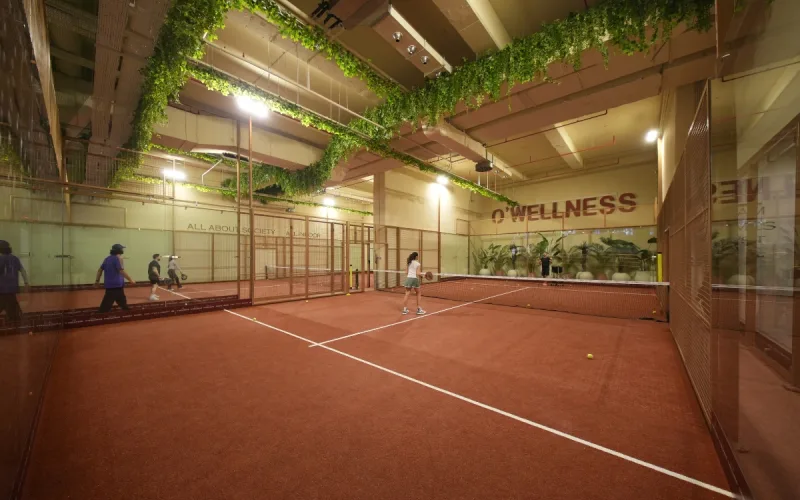
After deciding on a lesson format, it may be useful to read about why slow-ball play matters as much as power . To plan your court experience, see our padel courts .
Frequently Asked Questions
For beginners, group lessons are a good entry point in terms of both cost and social learning. If technical mistakes need correcting quickly, a one-to-one lesson can be more effective.
A semi-private lesson is a format in which the coach works with two students at the same time. You still get individual feedback while splitting the cost compared with a one-to-one lesson.
A one-to-one lesson is the most efficient option when you want to quickly fix a specific technical mistake, prepare for a tournament, or get personalised feedback such as video analysis.
Group lessons are generally run in a 4-person format and participants are grouped by level; this means you work with players of a similar level.
The academy programmes designed for children aged 7-16 support both technical teaching and social development with an age-appropriate group dynamic.




 Padel Courts
