

Second-hand padel racket almak, özellikle sporu yeni denemeye başlayanlar ya da farklı bir raket modelini düşük maliyetle tecrübe etmek isteyenler için mantıklı bir seçenek olabilir. Ancak raketler zamanla görünür ve görünmez biçimlerde yıpranır. Çerçevedeki küçük bir çatlak, yüzeyde aşınma ya da çekirdekte yumuşama, raketin hem performansını hem de ömrünü etkiler. Bu nedenle satın almadan önce sistemli bir kontrol yapmak, sonradan yaşanacak hayal kırıklığını önler.
In this article we cover the steps you can follow when inspecting a used racket, the questions to ask the seller and the situations where buying a new racket is wiser. The checklist doesn't require technical expertise; a careful eye and a few minutes are enough.
Why a Used Racket?
The most obvious reason to buy a used racket is cost. A beginner may not want to commit a large budget without knowing whether they'll stick with the sport. Trying rackets with different shapes, weights and balance characteristics also helps a player find the model that suits their style. The used market makes this trial process more accessible.
Another reason is looking for a model that is no longer made. Some players want to find the same racket they have used and grown accustomed to for a long time. In that case the used market may be the only option. Whatever the reason, though, the racket's condition needs to be assessed carefully.
There is also a choice between renting and buying used. Playing a few sessions on court with rental rackets helps you understand which type of racket suits you. Looking for a used racket after that experience means you know better what to look for.
Checking the Frame
The frame is the most critical part of the racket. Impacts against the glass or the ground on court leave their marks here most. Inspect the edge of the racket carefully, including under the protective tape. Paint scratches and small scuffs are usually only cosmetic; but thin lines running along the frame or areas that move when pressed may indicate structural damage.
- Check for cracks on the upper part of the frame and at the corners.
- Pay special attention to the throat area where the handle meets the head; this area carries load.
- If there is protective tape, ask the seller for permission to see underneath.
- Shake the racket gently; a rattle from inside may point to a detached piece.
A crack in the throat area is more serious than one on the upper part of the frame. This area flexes most and carries the most load during a stroke. Buying a racket with damage here carries the risk of breaking or losing performance within a short time.
Checking the Surface and Core
A racket's hitting surface wears over time. On rackets with a rough surface, that texture being worn away can reduce spin capacity. Bubbles, dents or cracks around the holes on the surface show that the racket has been heavily used and its internal structure may have been affected.
It isn't possible to see the core's condition directly, but some simple tests can give an idea. When you tap the surface lightly with your knuckle, a similar sound should come from every point. If one area sounds duller or different, there may be separation between the core and the surface there. This test doesn't give a definitive result, but it is a sign worth noting.
If possible, trying the racket briefly on court is the most reliable method. Unexpected vibration on strokes, the ball leaving the racket at inconsistent speeds or the racket feeling much softer than new models may indicate a fatigued core.
Handle, Grip and Weight
The handle area is usually covered with an overgrip, which can hide the condition of the base grip underneath. It makes sense to ask the seller to remove the overgrip or show what's underneath. Excessive wear on the base grip or looseness at the butt of the handle mean extra expense.
The wrist strap should also be checked. A frayed strap or looseness at its attachment point shows that the protection against the racket slipping from your hand during play has weakened. The strap is a replaceable part, but that should also be added to the cost.
Weight and balance are important factors in determining whether a racket suits you. The values stated by the manufacturer may have changed over time due to added protective tape and overgrips. Holding the racket and making a few shadow strokes helps you understand whether the weight and balance point suit you.
Small refreshes after purchase should also be included in the budget. A new overgrip, fresh protective tape if needed and a clean cover make a used racket ready to use. These costs are usually low, but if they aren't taken into account, the advantage of the negotiated price may be smaller than expected. Wiping the surface with a damp cloth and drying it when you receive the racket is also a good start for cleaning off dirt and sweat left by the previous user.
Questions to Ask the Seller
A racket's history matters as much as its physical condition. Asking the seller a few simple questions helps you fill in information you can't see. A seller who gives open and clear answers is generally more trustworthy.
- How long has the racket been used, and how many times a week?
- Has the racket ever hit the glass or the ground hard?
- Under what conditions was the racket stored; was it exposed to extreme heat or cold?
- Have the overgrip, protective tape or strap been replaced?
- Does the racket come with its original box, cover or proof of purchase?
Comparing the answers to these questions with the racket's physical condition gives an idea of consistency. If a racket said to have been used little shows heavy wear on its surface, it's reasonable to question that. A seller who is reluctant to answer or won't let you inspect the racket up close is also a sign to keep in mind when deciding.
When Is a New Racket the Smarter Choice?
In some cases a used racket can bring more problems than the savings it offers. If there is a structural crack in the frame, damage in the throat area or obvious bubbling on the surface, it makes more sense to consider a new racket, however low the price. In addition, for players with elbow or shoulder sensitivity, a racket with a fatigued core may transmit more vibration; consulting your doctor or coach on this is helpful.
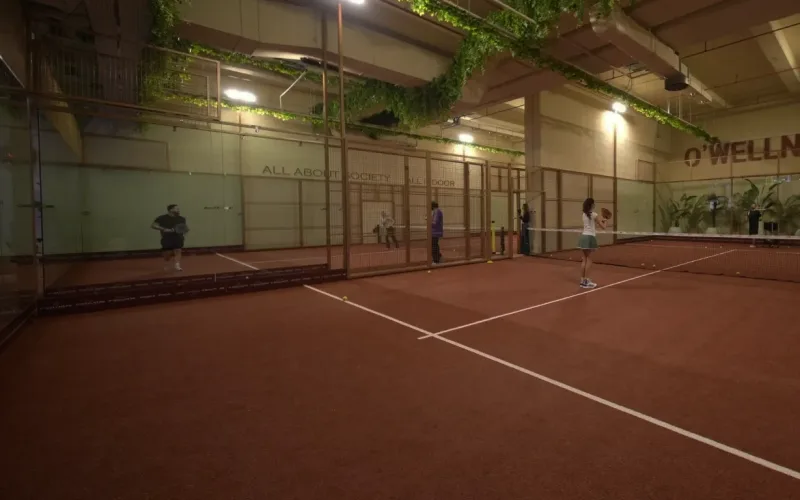
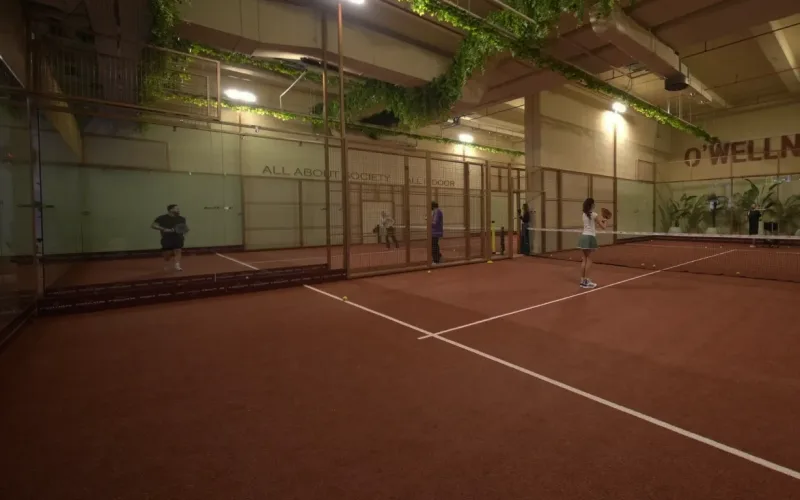
At venues like O'Padel Beytepe, trying different models with rental rackets is a practical way to clarify what you're looking for before a used purchase. Whichever path you choose, selecting the racket according to your level of play and physical needs should matter more than price.
Frequently Asked Questions
Does a small frame scratch make a racket unusable?
Usually not. Superficial paint scratches don't affect performance. What matters is whether the line extends into the frame's structure and whether it moves when pressed.
How long does a used racket last?
That depends on the previous intensity of use and how often you play. A lightly used racket can serve for a long time, while the core of a heavily used one may fatigue sooner.
Is it risky to buy a racket without trying it?
Buying without trying means not knowing how the weight and balance suit you. If possible, a short trial or having used the same model as a rental before reduces the risk. If a trial isn't possible, discussing return terms in advance can also offer some reassurance.


 Padel Courts
