
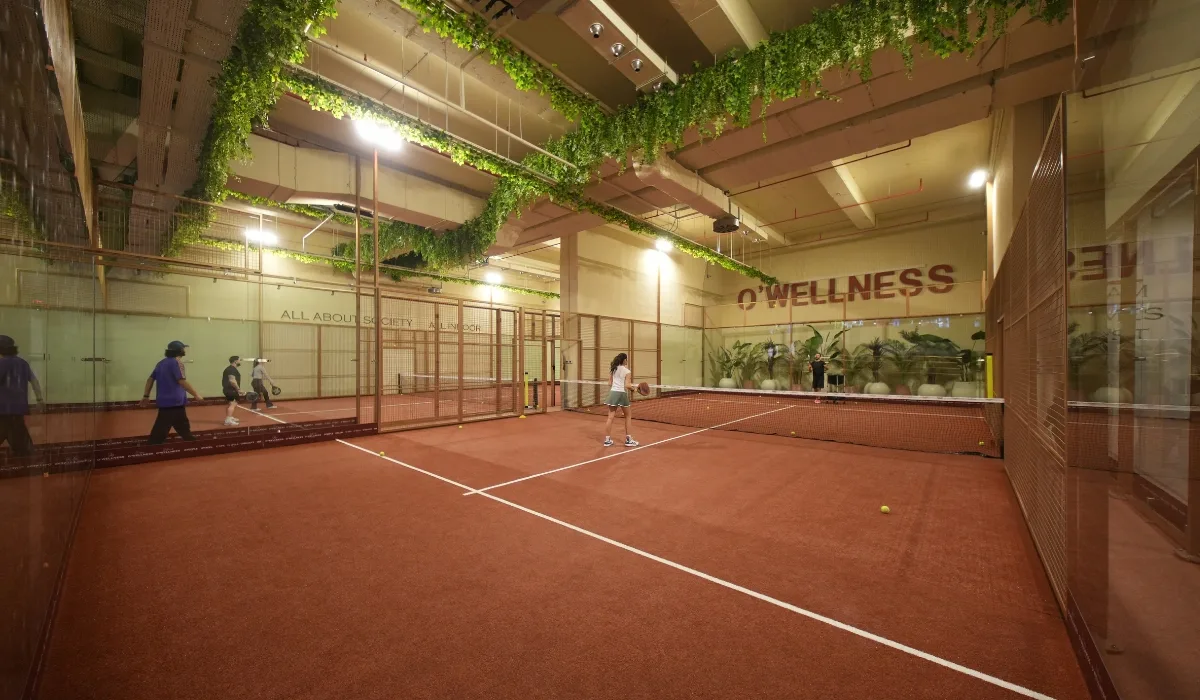
Yetişkin olarak yeni bir spora başlamak, birçok kişi için beklenmedik bir duygu karışımı getirir. İş hayatında yetkin olan biri, padelde acemilik dönemi boyunca topu ağın altına gönderdiğinde ya da cama çarptırıp kaçırdığında şaşırabilir, hatta utanabilir. Oysa bu his çok yaygındır ve öğrenmenin doğal bir parçasıdır. Bu yazıda acemilik döneminin neden zorlayıcı hissettirdiğini, bu duyguyu nasıl yönetebileceğinizi ve motivasyonunuzu ilk haftalarda nasıl koruyabileceğinizi anlatıyoruz. Amaç, size hızlı sonuç vaat etmek değil, süreci daha hoş ve sürdürülebilir kılmaktır.
Why does being a beginner feel so hard?
When learning a new skill, adults compare themselves with the areas where they have been competent for years. Someone who speaks comfortably in meetings feels the gap sharply when they make two errors in three strokes on court. The brain expects to carry the ease of mastered fields into a new one automatically, but motor skills develop at a different pace.
Another reason is expectation. Looking at professional players on television or online, you might think padel is easy. But their ease is the result of years of repetition. In the first weeks, making mistakes is not a sign of inadequacy but a sign that the skill has not yet become automatic. Accepting this from the start makes the process far less exhausting.
Besides, the beginner phase brings back something adults often forget: the pure joy of play. Everything you learned as a child you learned by making mistakes; padel gives you the chance to live that experience again. Seen from this perspective, a wrong stroke on court is not a loss but the first step of a learning journey. Opening your mind to this journey makes everything else easier.
Common feelings in the first weeks
The feelings commonly seen in the beginner phase are usually these:
- Utanç: Kortta tanımadığınız kişilerin önünde hata yapmak.
- Hayal kırıklığı: Beklediğiniz gibi ilerleyememek.
- Kıyaslama: Aynı anda başlayan birinin daha hızlı gelişmesi.
- Yorgunluk: Hem bedensel hem zihinsel olarak yeni bir hareketi öğrenmenin getirdiği yük.
- Heyecan: İlk güzel ralli veya başarılı bir vuruşun verdiği taze keyif.
It is possible to feel all of these in the same week. What matters is not suppressing the feelings but naming them and knowing they are normal. Thinking "I feel embarrassed right now, but it is temporary" can reduce the effect of the emotion.
The intensity of these feelings also changes with the tiredness of your day, your sleep routine, and your personal stress level. Someone tired after work may react more harshly to mistakes than someone rested. So choosing the session time according to your own energy pattern and not arriving hungry or exhausted helps protect emotional balance.
Sharing these feelings helps too. Telling your coach or partner 'I feel a bit tense today' can lighten the load all by itself. Most of the time the person opposite has lived through the same feelings and is glad to share their experience with you.
Attitudes that speed up learning
What shortens the beginner phase is not rushing but adopting the right approach. Focus on one correction your coach gives; trying to fix five things at once often fixes none. Set small goals: getting the ball over the net this week, sending it across several times in a row the next. Each small goal you complete feeds your motivation through a sense of success.
The way you talk to yourself matters as well. Instead of "I missed again, I'm hopeless," saying "That ball was hard, try the next one" moves your focus from the mistake to the solution. In sport psychology, this kind of inner speech is considered an important factor in both performance and enjoyment. Treat your partner with the same kindness too; two beginners who support each other progress much faster than two who blame each other.
Rest is also important in the learning process. To let muscles and mind consolidate the new movement, you need enough space between sessions. Instead of trying to play every day, two or three regular sessions a week give most people a more balanced progression. If there is pain or extreme fatigue, don't hesitate to lighten the session.
Making small progress visible
Progress is often not felt day to day, but it becomes clear when you look back. To make it visible, you can use a simple notebook or a phone note. After each session, write a single sentence: "Today I could receive the ball in control after the wall" or "I got my serve in three times." A month later, reading these notes can show that you have progressed much more than you felt.
Filming yourself can help too. Paying attention to the privacy of the facility and other players, watching your own strokes in short clips brings perception closer to reality. Most people notice that they play better than they felt. That difference softens the harsh judgment you make of yourself.
There is also the effect of sharing progress with others. Telling a friend or family member 'today I got three balls over in a row for the first time' makes the achievement real and reinforces your pride. Shared small victories keep motivation alive for a long time.
Creating a comfort zone on court
Being a beginner does not mean you have to share a court with more experienced players. Finding a group or coach suited to your level increases both your learning speed and your ease. At places with level separation such as O'Padel Beytepe in Ankara, it is possible to be matched with players of a similar level, so making mistakes is received as normal around you.
A comfort zone is not only about players. Comfortable clothing, suitable shoes, and enough water help you feel safe too. In the first sessions, looking around the court beforehand, learning the entrances and exits, and having a brief introduction with your coach reduce uncertainty. The less uncertainty there is, the more energy your brain can give to learning.
A comfortable environment is learning's quietest supporter.
When to ask for support
If intense disappointment is turning you away from the sport, it is time to stop and assess. Perhaps you are playing in a group that is too hard for your level, or your expectation is not realistic. Talk openly with your coach; simplifying the program or redefining the goal often solves the problem.
If you feel a physical discomfort, such as pain, dizziness, or unusual fatigue, stop the session and consult your doctor. The beginner phase can be challenging, but pain or a health symptom is not something to ignore. Patience includes listening to your body.
Finally, remember that the beginner phase has no deadline. Even on the day you say 'I'm not a beginner anymore,' there will be new things to learn. That is the beauty of the sport: there is always a next small step, and each step brings a little more enjoyment.
Frequently Asked Questions
How long does the beginner phase in padel last?
It is different for everyone. Previous sports background, number of weekly sessions, and personal learning speed all affect the time. Rather than a fixed duration, it is healthier to track your progress by completing small goals.
I keep making mistakes in the first weeks. Is that normal?
Yes, it is very normal. Motor skills settle through repetition, and the error rate is high in the early period. Seeing mistakes as learning data and focusing on one point makes the process easier.
I have never played a racket sport. Am I starting far behind?
No. Racket sport experience may give an advantage in some movements, but padel has its own logic. Many people start from zero and improve happily; what matters is playing regularly and comfortably.



 Padel Courts
