
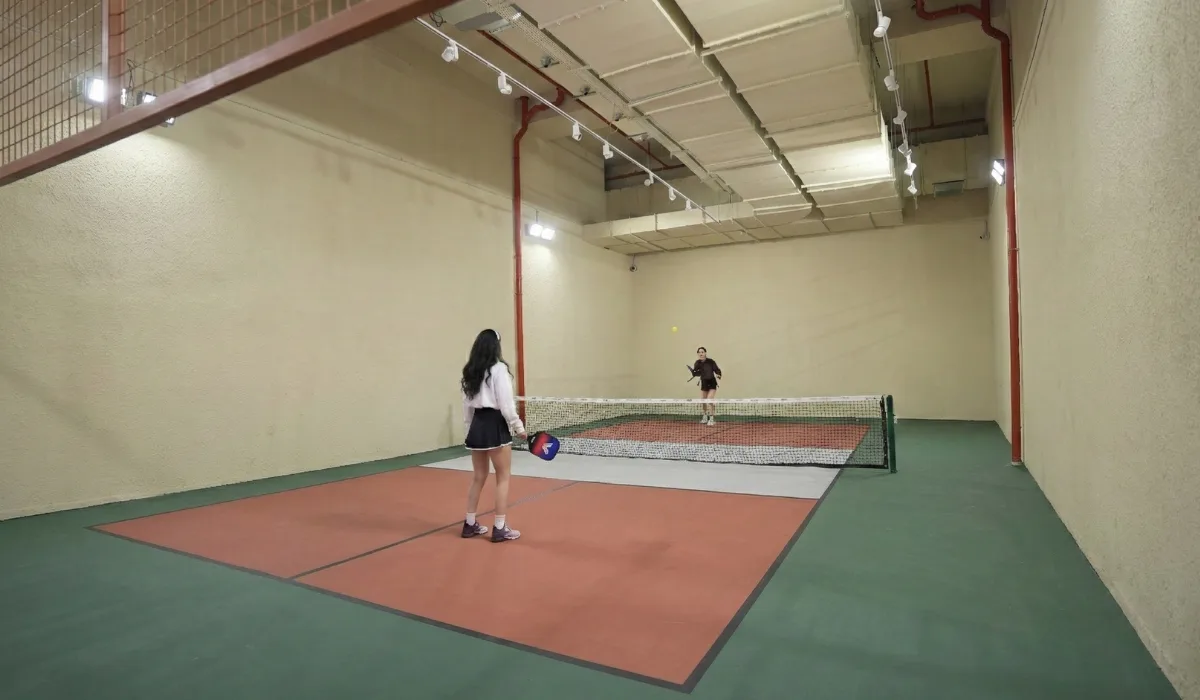
Padel racket weightgenerally ranges from 350 to 375 grams, and although this difference sounds small, it noticeably changes the load on your arm and elbow over a match lasting hours. Choosing the right weight is one of the most basic ways to protect both your performance and your long-term joint health.
In this article we explain the effect of weight on the arm, how the balance point amplifies that effect and how to find the weight that suits your needs at Beytepe.
Why Do a Few Grams Matter So Much?
Swinging a racket for hours creates a cumulative load on your arm muscles and elbow joints. According to Newton’s laws of physics, the force needed to move an object is directly proportional to its mass. So even a small difference like 15-20 grams turns into a clear difference in fatigue over a swinging motion repeated hundreds of times in an hour-long match.
A heavy racket carries more momentum on every shot, which is an advantage on powerful shots. However, carrying and controlling that weight takes more muscle strength and a sounder technique. If technique hasn't matured yet, this extra load is passed directly on to the elbow and wrist joints.
Although weight and balance are actually two independent variables, they are often mentioned together because both are fundamental to the racket's “feel.” Understanding these two variables separately lets you answer not only the question “is it light or heavy” but also “how does this racket behave for me.”
Weight Categories and Uses
| Weight | Character | Who it suits |
|---|---|---|
| 350-360 g | Light, agile | Beginners, women players, those with elbow sensitivity |
| 360-370 g | Balanced | Intermediate, all-round players |
| 370-375 g | Heavy, powerful | Advanced players with a strong arm structure |
These categories are not strict boundaries; you should fine-tune within these ranges according to your own physique and playing style.
Elbow Health: The Risk of Tennis Elbow (Epicondylitis)
One of the most common injuries in padel is elbow tendinitis caused by repeated hitting motions, commonly known as tennis elbow. A heavy, high-balance racket noticeably increases this risk, especially while technique hasn't properly settled, because the vibration and load at impact are passed directly to the elbow tendons.
If you have had an elbow or wrist problem before, choosing a light, low-balance racket both prevents the symptoms from returning and helps you keep enjoying the game in the long run. If the pain continues, consulting a health professional is a safer approach than just changing equipment.
Balance Point: Where the Weight Is Concentrated
Another factor as important as weight is where that weight is concentrated on the racket. Two rackets of the same weight can feel completely different when they have different balance points. A balance close to the handle (low balance) makes the racket more agile and controllable, while a balance close to the head (high balance) gives more hitting power but makes the racket move more slowly.
Understanding this relationship is also decisive when choosing racket shape. The link between shape and balance round, teardrop, diamond comparison .
Swingweight: The Weight You Actually Feel
Static weight (the grams the racket shows on the scale) and “swingweight” (the dynamic weight you feel when swinging the racket) do not always match. A racket with the balance point close to the head can feel heavier when swung even if its static weight is low. So rather than looking only at the grams on the label, touching the racket on court and hitting a few shots, if possible, is the most reliable way to understand the real feel.
Weight Differences for Women and Men Players
Because of the average difference in muscle mass, women players generally play more comfortably with rackets in the 350-360 gram range. This doesn't mean women can generate less power; with the right technique a light racket can also generate enough power, and arm fatigue is much lower. This topic choosing a padel racket for women .
Among men players, a wider weight range is preferred depending on physique and playing style. Men who play a powerful, aggressive net game generally lean toward rackets of around 370 grams, while those who play for control may prefer lighter models.
How Does Material Choice Change the Feel of Weight?
Two rackets of the same weight can give a different “feel” depending on the material used. Carbon-heavy rackets give a stiffer, more direct contact feel, while fibreglass-heavy rackets absorb more vibration and offer a softer feel. This can change the perceived load on the elbow. Material differences carbon or fibreglass in detail.
Learning a racket's weight only in theory is not enough; you need to feel it at real match tempo on court. A racket that feels light when you hold it still can feel unexpectedly heavy when used with fast reflexes. So the soundest approach before deciding is to test it at real playing tempo for at least one or two sessions.
How to Test Weight at Beytepe
At O’Padel Beytepe's padel courts there are models of different weights among the rental rackets offered with your bookings. Trying a light racket in one session and a slightly heavier model in the next to compare how tired your arm feels is the most concrete way to make the right decision.
In padel lessons, coaches can observe your hitting technique and give feedback on which weight supports you and which strains you. If you have had problems in the elbow or shoulder area before in particular, this feedback becomes decisive in choosing a racket.
Weight Preference by Age and Physique
As we age, joint flexibility and muscle strength can change; for this reason, beginners over 40 are generally advised to prefer lighter rackets. Rackets made for children are much lighter and have a shorter handle, which is a choice that suits developing muscle and joint structures. The equipment used in O’Padel Beytepe's 7-16 age academy programme is chosen on this principle.
The Effect of Warming Up on Weight Tolerance
As much as choosing the right racket, warming up properly before a match also reduces the load on the elbow and shoulder. Starting hard shots right away with cold muscles and joints raises the risk of injury whatever weight of racket you use. Because you play at a constant temperature regardless of the season on the indoor courts at Beytepe, you can apply your warm-up routine consistently every session.
Starting with a short joint mobilisation, light cardio and shoulder-wrist stretching, then finishing the warm-up with easy shots with the racket, gives a safer start even with a heavy racket.
Choosing Weight on Tournament Days
On tournament days when you will play more than one match in a day, playing with a very heavy racket can speed up cumulative fatigue. Beytepe Padel League or monthly Americano, if you take part in events like these, choosing a slightly lighter racket to conserve your energy through the day can help you keep your performance up in the last matches.
Choosing Weight for Children and Teenagers
Rackets made for children aged 7-16 are noticeably lighter and have a shorter handle than adult models. This prevents overloading developing bone and joint structures at an early age. The equipment used in O’Padel Beytepe's kids academy programme consists of light rackets adjusted for age groups; this way young players can develop correct technical habits without the risk of injury.
Parents may tend to let their children use an adult racket, but this both slows technical development and puts unnecessary load on the wrist and elbow. Choosing age-appropriate equipment is an important detail for long-term sporting health.
The Right Time to Increase Weight
As your technique improves, you may want to move to a heavier, higher-balance racket. The right time for this is when you feel you can comfortably control your shots with your current racket and need more power. Making this transition gradually, for example by first moving to a model 5-10 grams heavier, is safer than a sudden jump.
If you would like to consider this process together with the general racket selection criteria, our guide on how to choose a padel racket .
Grip Thickness and the Perception of Weight
The racket's handle grip thickness is also an overlooked detail that affects the perception of weight. A grip that is too thin demands extra muscle strength to hold on tight, which indirectly makes your arm tire faster. Choosing a grip of a thickness that suits your hand, or adjusting the thickness by wrapping extra grip tape on top, can make the same racket feel less tiring.
Reading Weight Labels Correctly
The gram value written on the racket box or product page can differ by ±3-5 grams, usually because of manufacturing tolerance. If you want to make a precise choice, checking the racket in the shop with a kitchen scale is not excessive; especially for players with elbow sensitivity, even this small difference can matter.
Supporting Arm Health with Recovery
As much as choosing the right racket, taking care over the recovery of your arm and shoulder muscles also reduces the risk of injury. Practices such as light stretching after a match and, if needed, a sports massage can ease the cumulative load on the elbow and wrist. In this regard, the recovery services that O’Spa Beytepe offers provide practical support for players who play regularly.
You shouldn't rush the weight decision. When you buy a new racket, it is normal to feel slightly unfamiliar with it in the first few sessions; what really matters is whether you still feel discomfort in your elbow or wrist after the third or fourth session. Taking this feedback into account, you can readjust the weight on your next purchase if needed.
Conclusion: The Right Weight Is an Investment in Long-Term Play
Padel racket weight is not just a performance matter but a health decision. Choosing a weight and balance point that suits your physique, level and joint history both improves your game and reduces your risk of injury. By trying rackets of different weights on the indoor courts at Beytepe, you can make this decision with confidence.
If you need personal recommendations on weight and balance, for a trial lesson reach us on our WhatsApp line .
Frequently Asked Questions
The general range is 350-375 grams. 350-360 grams is suitable for beginners and those with joint sensitivity, while over 370 grams may be preferred by advanced and powerful players.
Using a heavy, high-balance racket before technique has matured can raise the load on the elbow tendons and increase the risk of tennis elbow.
Two rackets of the same weight can feel completely different when they have different balance points; balance determines the racket's perceived weight (swingweight).
When you can comfortably control your shots with your current racket and feel you need more power, you can move gradually to a heavier model.
Yes, the rental rackets offered with your court booking come in different weight and balance options.
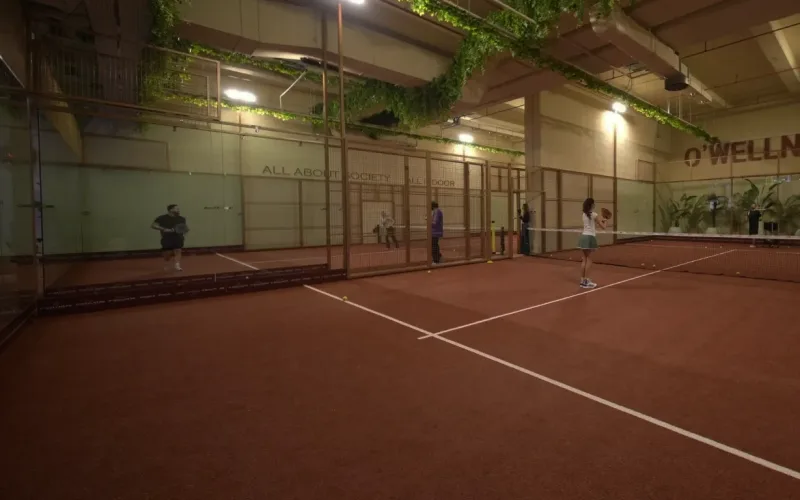



 Padel Courts
