
A padel overgripis a thin tape, 0.5-0.75 mm thick, wrapped over the base grip on the racket handle; it improves grip, absorbs sweat and protects the handle. For someone who plays 2-3 times a week, the overgrip should be replaced on average every 2-4 weeks, and for a heavy sweater every 4-6 sessions. The rule is simple: if the tape has started to shine, slip, or thin out and tear, its time has come.
The equipment mistake we see most often on our indoor courts at Beytepe is playing an expensive carbon racket with a worn, darkened overgrip. However good the racket, the only point of contact between it and your hand is that few millimetres of tape.
What is a padel overgrip and how does it differ from the base grip?
Every padel racket handle comes from the factory with a base grip . This is the main wrap, usually 1.5-2 mm thick, made of polyurethane or leather-like material with a cushioning layer underneath. Its job is to dampen vibration and give the handle its basic shape. The base grip lasts a long time; but when it comes into direct contact with sweat it quickly becomes slippery and is a hassle to replace.
The overgrip, on the other hand, is a thin, cheap, easily replaceable layer wrapped over this main wrap. It absorbs sweat, refreshes the grip and protects the base grip. In other words, the overgrip is a consumable: just like a padel ball, it loses performance after a certain time and is expected to be renewed.
- Base grip: Thick, cushioned, long-lasting; vibration damping and handle shape.
- Overgrip: Thin, absorbent or tacky; grip, sweat management and hygiene.
When choosing a racket you also need to think about handle thickness; we explained this in our padel racket selection guide in detail. The overgrip, meanwhile, is the most practical way to fine-tune that thickness.
Types of overgrip: dry or tacky?
Padel overgrip models on the market fall into two main groups. Which one suits you depends on how much your hand sweats and what you want to feel in your grip.
Tacky overgrip
The surface is slightly sticky and gives a feeling of “holding your hand.” It is polyurethane-based and gives excellent control on dry hands. Because you don't need to grip tightly, you can leave your forearm looser; this is an advantage on shots such as the bandeja and víbora that need wrist sensitivity. The downside: on very sweaty hands the tackiness is lost quickly and the surface becomes slippery.
Dry overgrip
The texture is slightly rough, with a paper-like or suede-like feel. It absorbs sweat and keeps the surface dry. It is ideal for players who sweat a lot. It may feel a little “slippery” when new, because its grip comes from absorbency rather than tackiness; grip increases as it takes up sweat.
Perforated and textured models
Some overgrips have air holes (perforated) or an embossed pattern. Perforated models evaporate sweat faster; embossed models make it easier to feel where your fingers sit on the handle. For those just learning the continental grip, even this small detail can make a difference.
| Type | Who it suits | Pros | Cons |
|---|---|---|---|
| Tacky | Low to moderate sweaters | High control, relaxed grip | Quickly becomes slippery with sweat |
| Dry | Heavy sweaters | Absorbs sweat, stable grip | First feel is less “grippy” |
| Perforated | Those who play long matches | Breathes, dries quickly | Wears thin faster |
| Embossed | Those who want to feel their grip | Clear finger position | Feels hard to some |
Sweat and Ankara’s dry air: what determines overgrip life?
Three main factors determine the life of an overgrip: how much you play, how much you sweat and how you store the racket. Sweat, with the salt and oils in it, works into the surface of the tape; on tacky models this residue coats the surface and makes it “glass-like,” shiny and slippery.
Ankara's altitude is about 850 metres and its climate is dry. This means sweat evaporates quickly outdoors; but in an indoor, climate-controlled court, when the tempo rises sweating is still significant. Because the courts at O’Padel Beytepe are kept at a balanced temperature all year, you don't have the problem of extreme summer heat or frozen fingers in winter; but sweating hands in a 90-minute intense match are unavoidable.
Another effect of dry air is this: tacky overgrips stay “alive” longer in a dry environment. So a light-sweating player using a tacky model in Ankara can get a bit more life out of the tape than a player in a humid coastal city. For general sweat management, you can also take a look at our hydration guide for Ankara’s dry climate .
When should a padel overgrip be replaced? 6 clear signs
Rather than going by the calendar, it is best to look at the tape itself. If even one of the following signs is present, it is time to change it:
- Shine: If the surface has lost its matt look and taken on a shiny, polished appearance, the tackiness is gone.
- Slipping feel: If you feel the racket turning in your hand during a smash or volley, the grip is gone.
- Thinning: Especially if the tape has worn thin where your thumb and index finger sit and you can feel the base grip underneath.
- Tearing and lifting: Lifting at the edges or holes where your fingerprints sit.
- Colour and smell: If white tape has turned grey or the smell of sweat has soaked in, it should be changed for hygiene reasons too.
- Hardening: Dry models turn cardboard-like over time; tape that has lost its flexibility no longer absorbs sweat.
Practical rule: if you play once a week, change monthly; if you play three times a week, every two weeks; and in tournament week, a fresh overgrip on the morning of match day.
Many professional Premier Padel players change their overgrip before every match. You don't need to do this; but a new overgrip should definitely be on your important pre-tournament preparation list.
Thickness and handle size: how many layers should you wrap?
In padel rackets, the handle circumference is more standard than in tennis and is generally thinner. That is why the overgrip is the main tool for adjusting the handle to your own hand.
- Single layer: Standard for most players. Preserves the racket's original feel.
- Two layers: For those with large hands or who find the handle thin. Thickens the handle by about 1 mm.
- Base grip replacement + single layer: For a more noticeable increase in thickness.
If the handle is too thin you have to grip the racket tightly; this creates constant tension in the forearm muscles and can increase the risk of lateral epicondylitis in the long run. If the handle is too thick your wrist movement is restricted and your fingers don't sit correctly in the continental grip. A simple test to find the right size: when you hold the racket, there should be a gap about one finger wide between the tip of your ring finger and your palm. For more information on elbow health, we recommend our padel elbow guide .
Don't forget weight: two layers of overgrip add a few grams to the handle end and shift the balance point very slightly toward the handle. If you use a head-heavy diamond racket, this small change is noticeable.
How do you wrap a padel overgrip? Step by step
It may be a bit fiddly the first time, but it is learned in five minutes. If you are right-handed, wrapping clockwise, and if you are left-handed, anticlockwise, makes the grip feel more natural.
- Remove the old overgrip; check the base grip underneath, and if it is very dirty, wipe it with a damp cloth and dry it.
- Peel off the protective film of the new tape; on most tapes only the starting end has an adhesive strip.
- Start from the bottom of the handle (butt cap); fix the first turn by letting it overlap the cap slightly.
- Wrapping upward with a slight stretch, cover about one third of the previous turn with each turn.
- When you reach the top end of the handle, cut off the excess at an angle.
- Secure it with the finishing tape that comes in the pack; some players use electrical tape for extra hold.
Tension matters: tape wrapped too loosely wrinkles quickly, while tape wrapped too tightly thins and tears fast. If you increase the overlap the handle gets thicker; if you decrease it, it gets thinner. This way you can make small adjustments even with a single layer.
Brands and choosing: what should you look for?
In the padel world, brands such as Bullpadel, Head, Adidas, Babolat, Nox, Siux, Wilson and Tecnifibre have their own overgrip lines. Some classic models from the tennis world are also widely used in padel. It is better to look at the following features than at the brand name:
- Thickness: 0.5 mm is thin and gives a “racket feel”; 0.7 mm and above is more cushioned.
- Surface type: Tacky, dry or perforated?
- Pack quantity: Packs of 3 or 12 cut the unit cost significantly.
- Colour: White tape shows dirt immediately, which makes it easier to see when to change it; black tape looks “clean” for longer but can hide wear.
It is best to decide by trying at the club. You can try your different partners' rackets with a few balls and see which surface sits better in your hand.
Small habits that extend overgrip life
An overgrip is a cheap item, but with the right habits you can nearly double its life:
- Dry your hand with a towel between games; using a wristband largely stops sweat running onto the handle.
- Don't lock the racket straight into a closed bag after the match; let the tape air out.
- Don't leave the racket in the car, especially in the boot in summer; heat damages the tacky layer.
- Don't put hand cream on right before the match; oil kills tackiness.
- If you have more than one racket, use the same type of tape on all of them; that way you won't feel a difference when switching.
In the fight against sweat, accessories such as wristbands and towels are part of the job. Which small items really work in our padel accessories article, and for general racket care, in our racket care guide for more.
Practical tips at Beytepe: how do you fit the overgrip into your game?
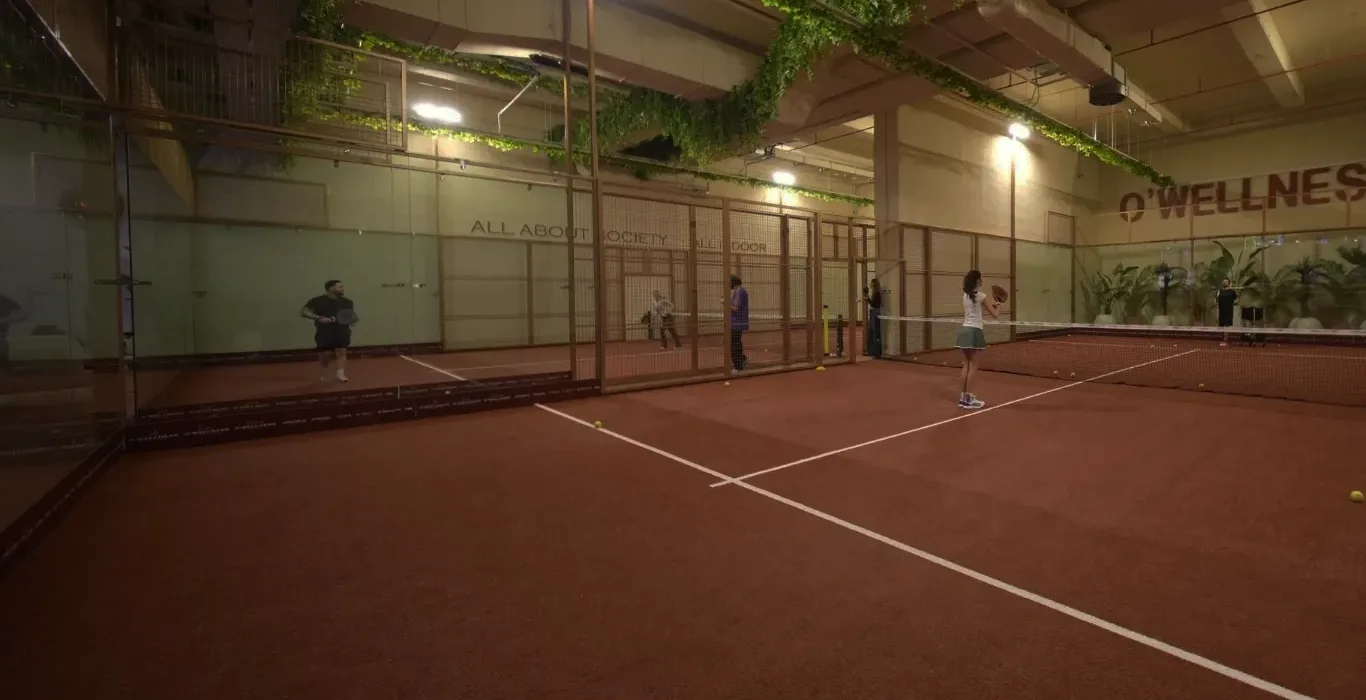
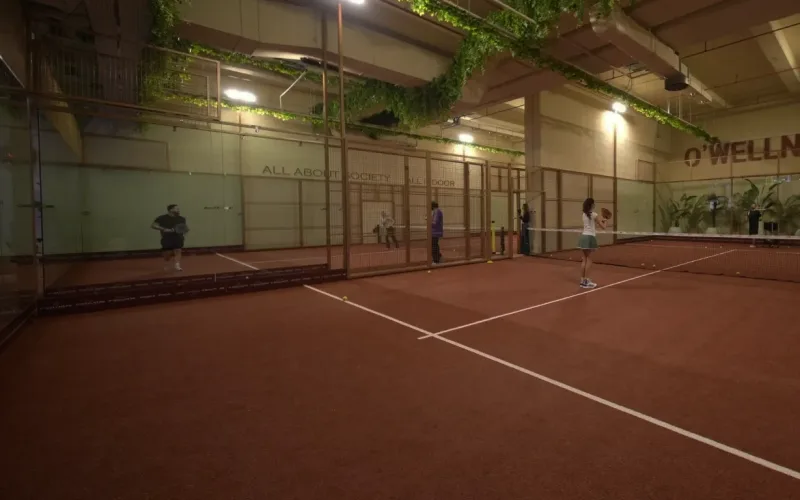
If you are coming to O’Padel Beytepe for the first time, it's fine if you don't have your own racket; our indoor padel courts you can rent a racket and balls. It's a good habit to check the overgrip on rental rackets too; if it feels slippery, just tell reception.
If you have bought your own racket, we recommend this routine:
- At the end of every session, take a quick look at the overgrip: is there any shine or thinning?
- Set a change day according to how many times you play a week (e.g. every Sunday evening).
- Always keep a spare overgrip and a wristband in your bag.
- After the match in the lounge while having your coffee, take your racket out of the bag and let it air.
If you think you have a grip problem, the cause is sometimes not the tape but technique. Gripping the racket too tightly, a wrong grip or late shot timing can create a slipping feeling. In our padel lessons our coaches can examine your grip with video analysis and give clear recommendations on both technique and equipment adjustment.
Common overgrip mistakes
One of the first mistakes we see on court is wrapping overgrip over and over without removing the old one. When you leave the old layer under each new one, the handle gets thicker without you noticing, wrist movement is restricted and the racket's balance changes. Always wrap the new tape after removing the old one.
The second mistake is trying to solve the slipping problem by gripping the racket harder. This seems to work in the short term but tires the forearm and kills flexibility in your shots. The third is choosing an overgrip for looks alone: a tape you bought for its colour will let you down in every match if it doesn't suit your sweating type.
Short summary
The padel overgrip is the smallest but most effective detail between the racket and your hand. Choose a tacky or dry model according to your sweat level, adjust handle thickness with one or two layers, and replace it the moment you see shine, slipping or thinning. The right tape means a looser grip, less forearm fatigue and more accurate shots.
If you would like to test your new overgrip on court at Beytepe, reach us on our WhatsApp line you can make a court booking or arrange a trial lesson to have your grip checked by a coach.
Frequently Asked Questions
Monthly for someone who plays once a week, and about every two weeks for someone who plays three times a week. If you sweat a lot, you may need to change it every 4-6 sessions.
For players who sweat little to moderately, a tacky overgrip gives more control. For players whose hands sweat a lot, a dry overgrip that absorbs sweat offers a more stable grip.
The base grip is the thick, cushioned main wrap on the racket handle and it is long-lasting. The overgrip is a thin, replaceable tape wrapped over it; it provides grip and sweat management.
A single layer is enough for most players. If your hand is large or you find the handle thin, you can wrap two layers to thicken the handle by about 1 mm.
We recommend checking the condition of the overgrip before using rental rackets. If you find it slippery or worn, just let reception know.




 Padel Courts
