
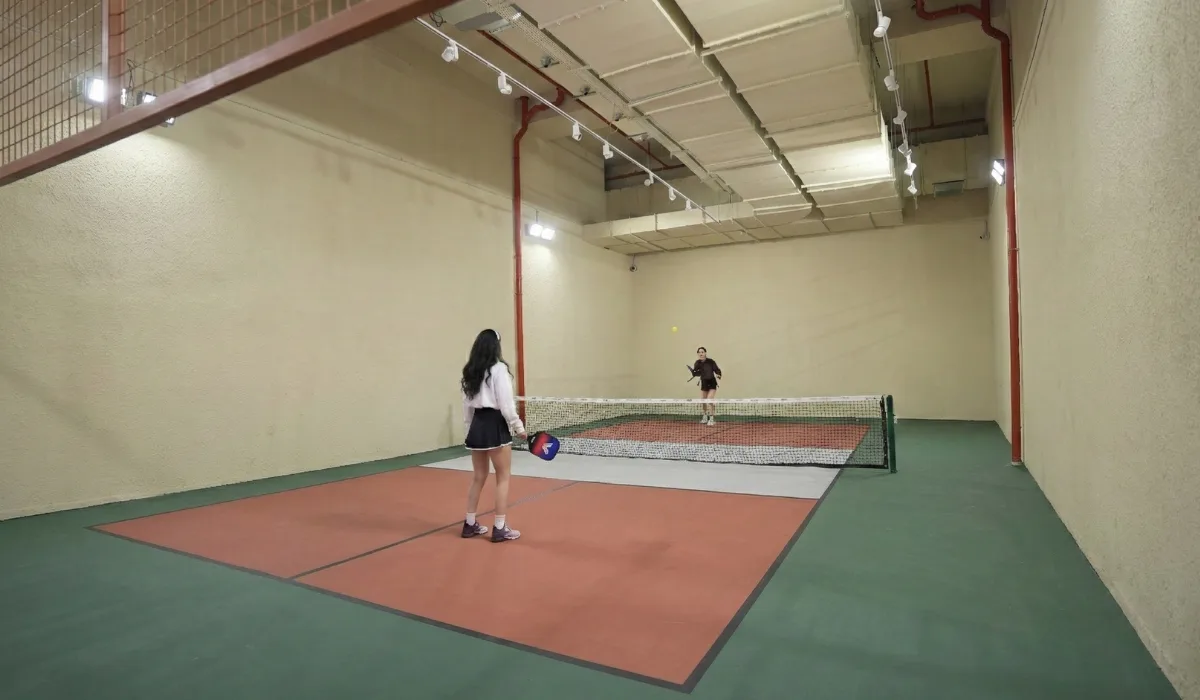
Second-hand padel racket buying can be an economical option, especially for beginners and players who want to try rackets. A top-segment racket can be found second-hand at a clearly lower price than new. However, padel rackets have a different construction from tennis rackets, and signs of wear are not always easy to see by eye. In this article we cover what to check when buying a second-hand racket, the risks and the price assessment.
Structure of a Padel Racket: Why Does It Wear Out?
A padel racket consists of three main components:
- Frame: Usually carbon fibre or fibreglass.
- Face (surface layers): Carbon or fibreglass weave.
- Core: EVA rubber or FOAM (polyethylene foam).
Wear occurs in three ways:
- Frame crack: From hitting the wall or the floor.
- Delamination: The surface layer separating from the core. The most common and most critical problem in padel rackets.
- Core fatigue: EVA or FOAM compresses over time and loses its elasticity; the racket feels “dead”.
The last point is important: a racket can lose its performance without showing any visible damage.
Checklist
1. Delamination check (most critical)
Delamination is the surface separating from the core, and it shows the racket’s life is over.
- Press test: Press the racket surface with your finger. Spots where the surface has separated from the core feel soft and “hollow”.
- Sound test: Gently tap the surface with a fingertip. A delaminated area gives off a different, hollow sound.
- Visual check: Signs of bubbling, waviness or the surface layer lifting.
- Around the holes: Early signs of separation around the holes.
A racket with detected delamination should not be bought, whatever the price.
2. Frame cracks
- Inspect the racket in good light, from every angle.
- The top of the frame (the area that hits the wall most) and the throat area are critical.
- The joint between the handle and the head.
- Even hairline cracks grow over time.
- If a protective tape is fitted, ask permission to look underneath it.
3. Surface wear
- The sandy/rough texture on the racket surface gives the ball spin.
- A worn, smoothed-out surface reduces spin capacity.
- A shiny sweet spot is a sign of heavy use.
4. Hole check
- Wear or enlargement around the edges of the holes.
- The condition of the core visible through the holes.
- Blocked or sand-filled holes can be cleaned, but wear cannot be reversed.
5. Handle condition
- If the original grip is worn, it can be replaced; not a big problem.
- Check the handle body for cracks or looseness.
- Hold the handle and twist it gently; if there is play, it may be a structural problem.
6. Wrist strap
- Is the strap there? It is mandatory under the rules.
- Is the strap's attachment point solid?
- A strap is easily replaced; if it is missing, use it as a bargaining point.
7. Weight and balance check
- Pick up the racket and swing it; is it the weight you expected?
- Ask the seller for the original model details; weight and balance point can be compared with the manufacturer's data.
- A racket that has taken in water or moisture can be heavier than normal.
8. Sound and feel test
- If possible, hit a few balls.
- A healthy racket gives a consistent, clear sound.
- A dull, “dead” or vibrating sound points to a structural problem.
- Excessive vibration in your hand after impact is a warning sign.
Questions to Ask the Seller
- How old is the racket? (Year of manufacture or purchase date)
- How often was it used? (How many times a week, for how many months/years)
- Was it used on an indoor or outdoor court?
- Has any repair been made?
- Has it taken a serious hit against a wall or the floor?
- How was it stored? (Car boot, extreme heat/cold)
- Why is it being sold?
- Does it come with the original cover or an invoice?
- Is it possible to try it first?
Racket Lifespan: Realistic Expectations
The lifespan of padel rackets depends on how intensively they are used.
- Playing 1-2 times a week: 2-3 years.
- Playing 3-4 times a week: 1-1.5 years.
- Intensive, competitive use: 6-12 months.
These timeframes are approximate; storage conditions and impact history are decisive. Someone who leaves their racket in the car boot in the summer sun shortens its life noticeably.
Practical takeaway: a racket older than 3 years and heavily used may not be a good investment, even if the price is very tempting.
Price Assessment
A rough framework:
- New, unused (boxed): Close to the retail price.
- Barely used (under 3 months, no damage): Around 60-75 percent of the new price.
- Moderate use (6-12 months, no damage): 40-55 percent.
- Heavy use (over 1 year): 25-40 percent.
- Damaged or delaminated: Should not be bought.
Previous-year models are often also sold new at a discount; it makes sense to compare the second-hand price with that option. Sometimes a “new but last season's model” option offers better value than second-hand.
When Buying Second-Hand Makes Sense
- If you are just starting out: There is no need to set aside a large budget for your first racket.
- If you want to try different racket shapes: To test round, teardrop or diamond shapes.
- If you are looking for a spare racket: A second racket for tournament days.
- Top-tier experience: Trying a model above your budget.
- For a child or junior player: Rackets get swapped often during the fast-development years.
When Buying Second-Hand Is Risky
- Buying remotely: The risk is high if you cannot check it in person. Delamination does not show in photos.
- Main racket for a tournament: If reliability is critical, buying new makes more sense.
- A very tempting price: There is usually a reason.
- If the seller does not give clear information about its usage history.
- Rackets used professionally: Their lifespan may be largely used up because of high-volume use.
What to Do After Buying
- Replace the overgrip. The first step for hygiene and grip.
- Check or renew the wrist strap.
- Fit protective tape. It protects the top of the frame from wall impacts.
- Clean the surface. With a damp cloth; clear out the sand that blocks the holes.
- Be careful on first use. After a few matches the racket's condition becomes clearer.
- Proper storage: A bag with a thermal compartment, away from extreme heat and cold.
A Note for Beginners
When buying second-hand, shape and weight matter more than the brand.
- Round shape: A wide sweet spot, control-oriented. Suitable for beginners.
- Teardrop shape: A balance of control and power. Intermediate level.
- Diamond shape: Power-oriented, narrow sweet spot, head-heavy. Not recommended for beginners; high load on the wrist and elbow.
- Weight: The 350-370 gram range suits most players.
A diamond racket at a very tempting price may not be a good choice for a beginner.
Result
A second-hand padel racket can be an economical and sensible option when checked properly. The most critical check is delamination: pressing on the surface to look for soft spots and tapping with a finger to listen for a difference in sound reveals this problem, which can't be seen by eye. Frame cracks, surface wear and handle condition are the other key checks. Asking the seller about usage intensity, age and storage conditions helps you judge whether the price is fair. The risk rises noticeably with remote purchases where you can't check the racket physically; in that case, comparing the discounted new prices of previous-season models may be a safer route.
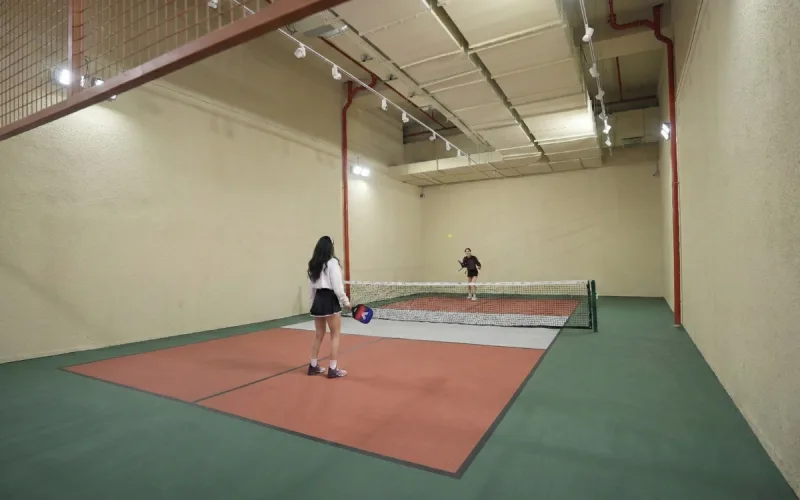
If you are undecided about choosing a racket in Beytepe, Ankara, we at the O’Padel Beytepe coaching team are happy to help. Trying a second-hand racket on the O’Wellness Beytepe courts before you buy is the safest way to know how it feels in your hand; for trials and bookings, you can message us on WhatsApp (+90 536 908 08 00). Membership is not required, and our indoor, climate-controlled courts let you play in the same conditions in Ankara’s snowy winters and hot summers alike.


 Padel Courts
