
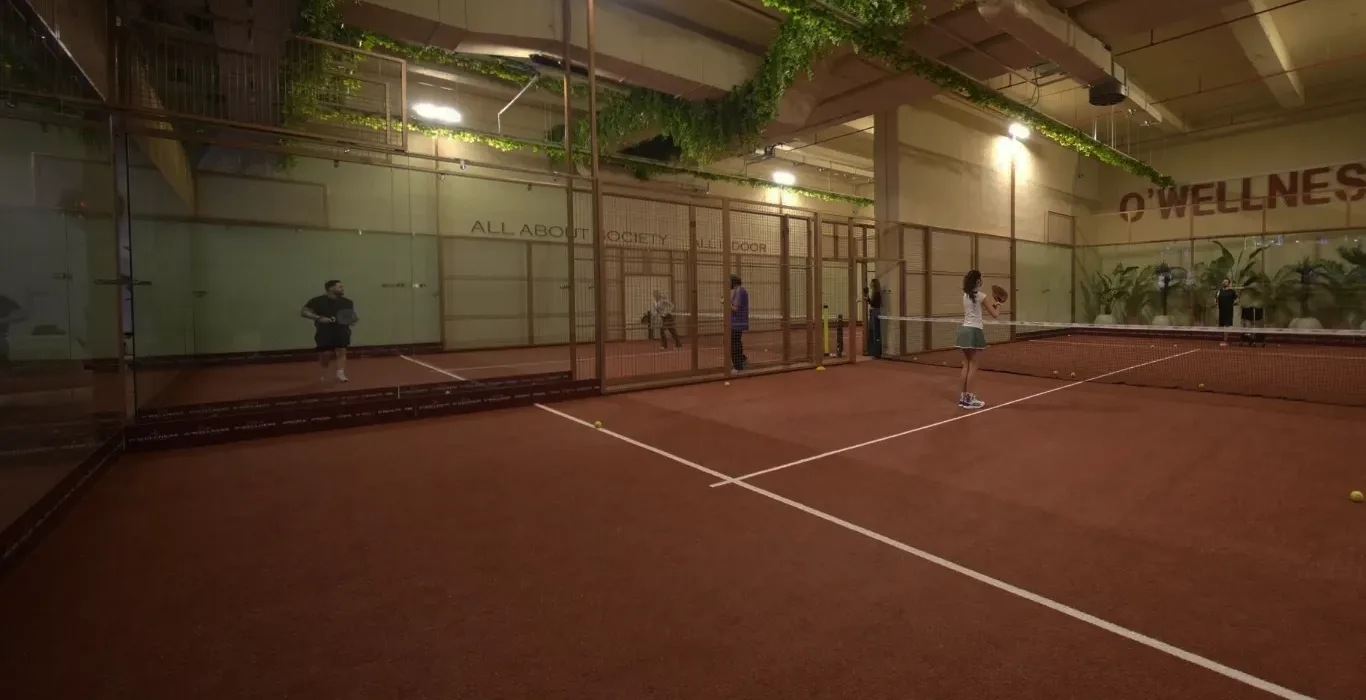
The padel let rule is one of the most confused topics in the game, yet it has the simplest logic. On the courts at Beytepe, the moment new players pause most often during a match is when a serve clips the net and lands in the opposing area, or when an outside interference interrupts the rally. In this guide we explain, step by step, what a let is in padel, when the serve is replayed, when the point continues, and how to apply this rule smoothly on court.
What Does the Word Let Mean?
Let is a term of English origin, and its rough Turkish equivalent is “again” or “doesn't count”. When a let is called in padel, the shot just played is treated as if it never happened and the serve is taken again. The key point is this: a let applies only in certain situations and can't be called arbitrarily in the middle of a rally.
This is where players moving from tennis to padel get confused, because the rules of the two sports are similar but the presence of glass and wire mesh brings a few extra details.
Service Lets: The Most Common Situation
The classic scenarios in which a let is called during the serve are:
- Net contact and valid area: If the ball touches the top of the net, crosses over and lands in the correct service box, it is a let and the serve is replayed.
- No loss of attempt: A serve that is a let is not counted as used. If it was your first serve, you still have two attempts.
- If the other side isn't ready: A let can be given if the server hit before the returner was ready. This is a rule that runs on good faith.
- Outside interference: A let is called in unexpected situations such as a ball coming from the next court, someone entering the court, or equipment falling.
Serve Situations That Are Faults, Not Lets
In contrast, some situations are direct service faults, not lets:
- If the ball touches the net and falls back onto your own side, it is a fault.
- If the ball lands in the correct box and then hits the wire mesh before the second bounce, it is a fault.
- If the serve hits the wire mesh directly, it is a fault.
- A ball landing outside the service box is a fault.
Knowing this distinction removes half the arguments in social matches played without a coach.
Can a Let Happen During a Rally?
The concept of a let is quite limited within a rally. While the ball is in play, the point is replayed only in the case of genuine outside interference. Example scenarios:
- A ball from a neighbouring court enters your court.
- A player's grip tape or spare ball falls and affects play.
- A sudden interruption occurs from the lighting or sound system.
Beyond these, reasons such as “I didn't see it”, “I wasn't ready” or “the sun was in my eyes” are not grounds for a let. Once the rally has started, play continues to its natural end.
Collision with Your Partner
Because padel is a doubles sport, collisions with your partner or rackets touching each other happen often. This is not grounds for a let; if you couldn't return the ball validly, the point goes to the opponent. That's why on-court communication and saying “mine” is as important as technique.
A Ball Hitting an Opponent, and Body Contact
In padel, if the ball hits the opposing player or their clothing, the hitting side wins the point. There is no let here. This rule comes into play especially in net duels; the ball hitting the opponent after a smash is a completely valid way to win a point, but deliberately aiming at the body is unsportsmanlike and frowned upon in social matches. A ball that hits your own partner is a point against you.
Managing Lets in Matches With and Without a Referee
In official tournaments the referee makes the let decision and the discussion is short. But much of padel is played at amateur level without a referee. The established approach in matches without a referee is this:
- You make the in or out call for balls landing on your side; if you're not sure, the ball is treated as in.
- If there is doubt about a let, most groups of players prefer to replay the point; this is part of club culture.
- Be loud and clear when deciding. Say “let” or “again”; don't stay silent and object afterwards.
The Timing of Calling a Let
A let should be called immediately. Asking for a let retroactively after playing out and losing the rally is not accepted. This simple rule is the most important point of etiquette protecting the flow of the match.
Practical Tips for Social Matches at Beytepe
At O’Padel Beytepe, players from Bilkent, Hacettepe Beytepe and the METU (ODTÜ) area play mixed-level matches. In this environment where levels mix, the following approaches make things easier:
- Agree at the start of the match: Will you play golden point or advantage, and who will decide in let situations? A one-minute agreement is enough.
- A common language for balls from side courts: If balls coming from neighbouring courts are possible, decide in advance in which cases a let will be given.
- Tolerance for beginners: In the first lessons, lets caused by not being ready are common; don't dwell on it, it's part of learning the flow of the game.
How Knowing the Let Rule Helps Your Game
Knowing the rules doesn't just prevent arguments, it raises the quality of your game. A player who clearly knows the difference between a let and a fault consciously manages the risk of clipping the net when serving. Trying a serve with a very low arc increases the chance of a let and disrupts your rhythm; by contrast, a serve aimed at the corner with a slightly safer arc both reduces the let risk and makes the opponent's return harder.
The same logic applies to the returner. If, instead of going into the shot before ready, the returner makes it clear they are ready with a clear hand signal or nod, unnecessary lets disappear. This small habit saves dozens of seconds in a two-hour session.
Practising Decision Scenarios in Training
To automate rules knowledge on court, you can set up simple scenarios with your coach:
- Deliberately hit serves that clip the net to set the replay reflex.
- Simulate outside interference to speed up the decision to stop play.
- In a no-referee match format, build the habit of calling in, out and let decisions out loud.
Small drills like these are as valuable as technical drills for players preparing for their first tournament, because the area people struggle with most under tournament stress is not technique but decision moments.
Frequently Asked Questions
Does a let serve cost you an attempt? No. A let resets the serve; you take your first serve again.
How many lets in a row can there be? There is no limit. The serve can clip the net and land in the valid area many times, and it is replayed each time.
What if the ball touches the wire mesh and then lands in the valid area? On the serve this is a fault, not a let.
Is it a let if a player falls? Losing your own balance is not grounds for a let. However, if there is a risk of injury, stopping play is always the right decision.
Result
The let rule in padel is a small but decisive detail that keeps the game fair. When the serve clips the net and lands in the valid area, replay; on outside interference, replay; otherwise, play goes on. Once you internalise this simple framework, pauses in your matches decrease, arguments end, and more time is left for the rallies that are the real fun. Experiencing the rule hands-on in a few matches will stick longer than reading it; try paying conscious attention in your next session.



 Padel Courts
