

Returning to padel after injuryrequires more than waiting for the pain to disappear completely; a safe return is possible when progressive loading, physiotherapist approval and proper technique control are applied together. A rushed return carries the risk of causing a recurring injury in the same area.
In this article we'll cover the stages of returning to padel after an injury, which signals to watch for and how you can manage this process safely in Beytepe.
The most common types of injury in padel
The most common injuries in padel include ankle sprains, hip adductor strains, tennis-elbow-like elbow tendon inflammation and shoulder rotator cuff strains. Most of these injuries come from sudden changes of direction or repetitive hitting movements.
Each type of injury requires a different healing process and return plan; so adopting an approach specific to the type of injury, rather than a general formula, always gives a better result.
Why shouldn't you rush?
Even when an injury has healed, the tissue in that area doesn't immediately regain its former strength and flexibility. The pain stopping doesn't mean the tissue is fully ready to be loaded; overlooking the difference between the two is one of the most common mistakes made by players returning from injury.
An early return causes damaged tissue to be loaded again at a time when it isn't yet at full capacity; this can set the stage for a recurring or more serious injury in the same area.
The real cost of returning early
In the short term, returning early can seem tempting; getting on court a few weeks early feels better than not playing that week. But a recurring injury usually requires a longer healing process than the first and can sometimes turn into a chronic problem.
So bearing in mind that short-term impatience can lead to a much bigger loss of time in the long run lets you make the return decision from a healthier perspective.
What is the principle of progressive loading?
Progressive loading means increasing the load on the injured area over time in a controlled way. This approach is a widely accepted principle in physiotherapy and sports rehabilitation; it lets the tissue adapt to the previous load at each stage and become ready for the next one.
In padel specifically, this follows a sequence: first being able to do everyday movements without pain, then movement at a light tempo, then technical work (low-intensity practice such as wall hitting) and finally playing matches at full tempo.
The role of home exercises
The home exercises physiotherapists generally give during the return process support healing away from the court too. Doing these exercises regularly and correctly is an important factor affecting the speed of recovery, independent of the time spent in court sessions.
Some players neglect these exercises and rely only on work on court; but since home exercises usually target specific muscle groups, this neglect can slow the healing process.
Why does muscle strength balance matter?
After an injury, the muscles around the affected area usually lose some strength; this loss may not be noticed right away but can show up when loaded again. Physiotherapists generally assess the strength difference between the injured and healthy side before the return.
This assessment offers a more objective approach focused not only on whether the pain has gone but on the tissue's real functional capacity, and basing the return decision on this data reduces risk.
Stages of the return
| Stage | Content | Goal |
|---|---|---|
| 1. Everyday movement | Pain-free walking, daily activities | Regain basic function |
| 2. Light movement | Walking, light mobility | Gradual load increase |
| 3. Technical work | Wall hitting, slow-tempo rally | Test the movement pattern |
| 4. Controlled match | Short, low-intensity match | Try real game conditions |
| 5. Full return | Matches and tournaments at normal tempo | Reach full capacity |
Moving to the next stage without pain or discomfort at each stage lets the process progress safely. If you have a problem at one stage, going back to the previous stage is always smarter than forcing progress.
Wall hitting: a controlled testing environment
In the return process, practising hitting against a wall before moving into a real match setting is a practical way of testing the movement pattern under low pressure. In this practice there is no opponent and speed control is entirely yours, which lets you experience the movement at a safe tempo.
If you can work for a certain time (for example 15-20 minutes) during wall hitting without feeling pain or discomfort, this is generally a sign you're ready to move on to the next stage, a controlled rally.
The importance of physiotherapist approval
Especially for injuries involving critical joints such as the knee, shoulder or lower back, returning to padel without a physiotherapist's assessment can be risky. A physiotherapist can objectively assess the tissue's real healing status, muscle strength balance and range of motion.
This assessment offers a more reliable decision mechanism than a subjective judgement like "I feel fine"; because some tissue damage can give symptoms too slight to notice in everyday movements.
The role of the warm-up routine in the return process
For a player returning from injury, the warm-up becomes far more critical than before. Preparing the muscles and joints with dynamic stretching significantly reduces the risk of going into a sudden movement with a cold muscle.
During this period, extending the warm-up from 5-10 minutes to 15-20 minutes and adding movements specific to the injured area is a reasonable approach. Coaches can suggest an individual warm-up programme on this.
Which signals call for caution?
- Sharp or sudden pain: An unexpected sharp pain during movement calls for stopping that stage.
- Increased swelling: Increased swelling after an activity can be a sign the tissue isn't yet ready for that load.
- A feeling of instability: Especially in lower-limb injuries, a feeling of instability can show that full confidence has not yet formed.
- Compensatory movements: The body using a different movement pattern to protect the injured area indicates that full healing is not yet complete.
Equipment and technique adjustments
In some injuries (especially of the elbow or shoulder), racket choice and hitting technique should be revisited during the return process. A lighter racket or a different grip technique can temporarily reduce the load on the healing area.
Coaches can suggest technical adjustments like this based on the player's injury history; this can be useful not only in the return process but also in preventing recurring injuries in the long run. Beytepe's video analysis option can also be used to objectively observe whether technical changes are being applied correctly.
Mental preparation is as important as physical
Many players returning from injury may be reluctant to make the same movement again even when physically ready; this is a natural reaction. This hesitation can lead to the movement not being done with full confidence and therefore to a risk of new injury.
Successfully completing each stage in the progressive loading process builds physical and mental confidence together. Communicating openly with your coach or physiotherapist about this process can help reduce hesitation.
Communication between coach and physiotherapist
One of the situations from which a player returning from injury benefits most is information flowing between their coach and physiotherapist. The physiotherapist can say which movements are not yet safe, and the coach can adapt the lesson content accordingly.
Although this coordination isn't always possible, the player can bring about a similar collaboration by passing this information to the coach; sharing your injury history and the physiotherapist's recommendations with the coach helps the lesson be planned more safely.
How do you plan a safe return in Beytepe?
In one-to-one lessons, coaches can work specifically with players returning from injury, observe their movement pattern and increase the load gradually. This individual approach offers a more controlled return process than a group lesson.
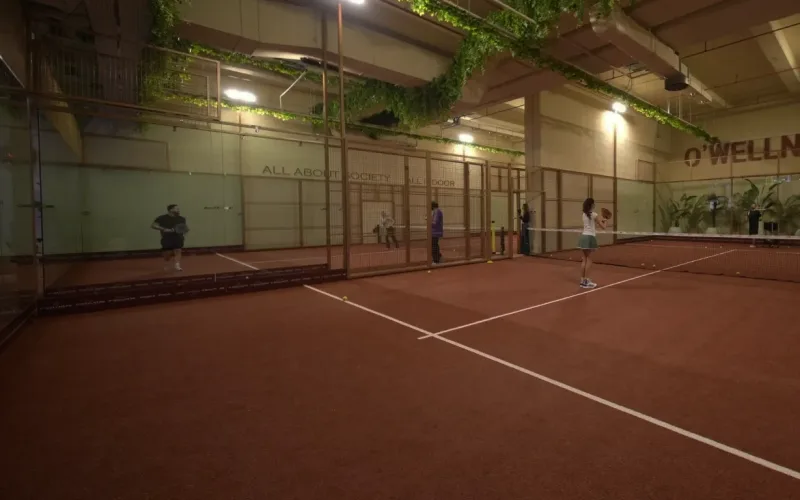
In the first return sessions, the indoor courts' controlled environment removes extra variables such as weather conditions or surface differences, making the process more predictable. To support recovery, you can also use the sauna and steam room at O’Spa Beytepe during this period.
If you want to support flexibility and balance work during the return process, see our yoga and padel article; and if you want to structure your rest days more, see our active recovery day guide .
Long-term habits for preventing injury
After fully recovering from an injury, it's useful to acquire some long-term habits so the same mistake isn't repeated. Regular mobility and flexibility work, a balanced training load and adequate rest are the key elements that reduce the risk of recurring injury.
In this respect, a balanced programme such as the 2 padel + 1 spa a week formula offers a practical framework for both maintaining performance and managing injury risk.
What to watch for in the first weeks after returning
In the first few weeks after a full return, it's useful to pay slightly more attention than usual to the injured area. Not skipping the warm-up, increasing intensity gradually and ending training early at any feeling of discomfort are simple but effective precautions you can apply during this period.
Some players prefer to use protective bandages or supports during this period; it's also useful to get the physiotherapist's opinion on the use of such equipment.
The pressure to make a tournament and realistic expectations
As a tournament or important match approaches, the wish to speed up the return from injury is natural, but giving in to this pressure usually leads to bigger losses in the long run. Missing one tournament is always less costly than being away from the court for weeks with a recurring injury. Sacrificing a short-term goal can be seen as a reasonable price for protecting your long-term sporting career. Discussing this expectation with your coach in advance helps reduce disappointment and make a realistic plan.
Sharing this realistic perspective with your coach and, if necessary, your physiotherapist makes it easier for you to make the right decision. Beytepe's monthly and seasonal tournaments recur regularly, so it's usually possible to wait for the next opportunity.
Returning to padel from injury is a process that requires patience and proper planning; but when you proceed with the right steps, a safe and lasting return is possible. To create an individual return plan in Beytepe, you can reach us on our WhatsApp line and consider one-to-one lesson options.
Frequently Asked Questions
It is hard to give an exact time; the return time varies with the type of injury and the healing process. Even if the pain has stopped, it's recommended not to start playing at full tempo without physiotherapist approval.
Yes, especially for injuries involving critical joints; feeling subjectively fine doesn't always reflect the tissue's real condition. Professional assessment gives a more reliable decision.
It lets the tissue adapt to a gradually increasing load and reduces the risk of recurring injury from full early loading.
Sharp pain, increasing swelling, a feeling of instability and the body moving differently to protect the injured area (compensation) are signals to be careful about.
One-to-one lessons let you build a gradual return plan by working individually with a coach. The recovery facilities at O'Spa Beytepe can also be used as support during this process.


 Padel Courts
