

The third shot dropis a strategy in pickleball that aims, on the third shot of the rally (the serving team's first return shot), to drop the ball softly into the opposing team's kitchen zone. Because this shot lets the serving team advance safely from the back court to the net, it is considered one of pickleball's most critical tactical moments.
In this article we explain why the third shot drop is so important, how to apply the correct technique, alternative strategies and how you can develop this shot in Beytepe.
How do the first three shots of a rally work?
In a pickleball rally, the first shot is the serve. The second shot is the opposing team's return of serve, usually hit deep. The third shot is the serving team's answer to the return. At this third shot there are two basic options: send the ball back quickly with a hard "drive", or drop the ball softly into the kitchen zone, that is, play a third shot drop.
Because the serving team hasn't yet advanced to the net, it is in a disadvantaged position at the back. The opposing team is usually at the net, in an advantageous position. The third shot drop is the most reliable way of offsetting this disadvantage.
Why is the third shot drop so critical?
If a hard drive is tried on the third shot, the opponent waiting at the net can easily smash it and win the point. By contrast, a soft, low drop makes it impossible for the opponent to smash because the ball lands very close to the net and low. This way the serving team can advance safely toward the net while keeping the ball in play.
The success of this shot directly enables the transition to pickleball's ideal formation of "all four players at the net"; this is the moment the dink rally and the strategic net battle begin. We covered the net battle on this topic in detail in our dink technique article article.
The correct third shot drop technique
Paddle angle
The paddle face should be opened slightly upward and the shot made with a soft "lifting" motion. The aim is not to add power to the ball but to carry it over the net and drop it into the opposing kitchen area on a low trajectory.
Use of the knees
The power of the shot should come not from swinging the arm but from the knees bending slightly and rising toward the ball. This makes the shot more controlled and consistent.
Target zone
The ideal third shot drop produces a ball that lands near the net, just inside the kitchen line. This stops the opponent from making an aggressive shot out of the air.
An alternative strategy: the third shot drive
Some players may prefer a hard "drive", especially if the opposing team hasn't fully settled at the net or the return is weak. This strategy is risky but can be an effective element of surprise with the right timing. Advanced players generally decide between the drop and the drive according to the opponent's position.
Common third shot drop mistakes
| Mistake | Result | Solution |
|---|---|---|
| Dropping the ball too high | The opponent smashes easily | Focus on a low trajectory |
| Hitting too close to the net (clipping the net) | The ball catches the net and the point is lost | Raise the shot height slightly |
| Not moving up to the net after the shot | The opponent stays in an advantageous position | Move forward together with the shot |
| Always hitting to the same zone | Being predictable | Add variety of angles |
The link between the third shot drop and serve strategy
The third shot drop is directly linked to the serve and return, because the flow of the rally is shaped by these three shots. If you want to review the serve technique, see our serve guide, and for the general rules and scoring structure, our pickleball rules article .
Third shot drop practice in Beytepe
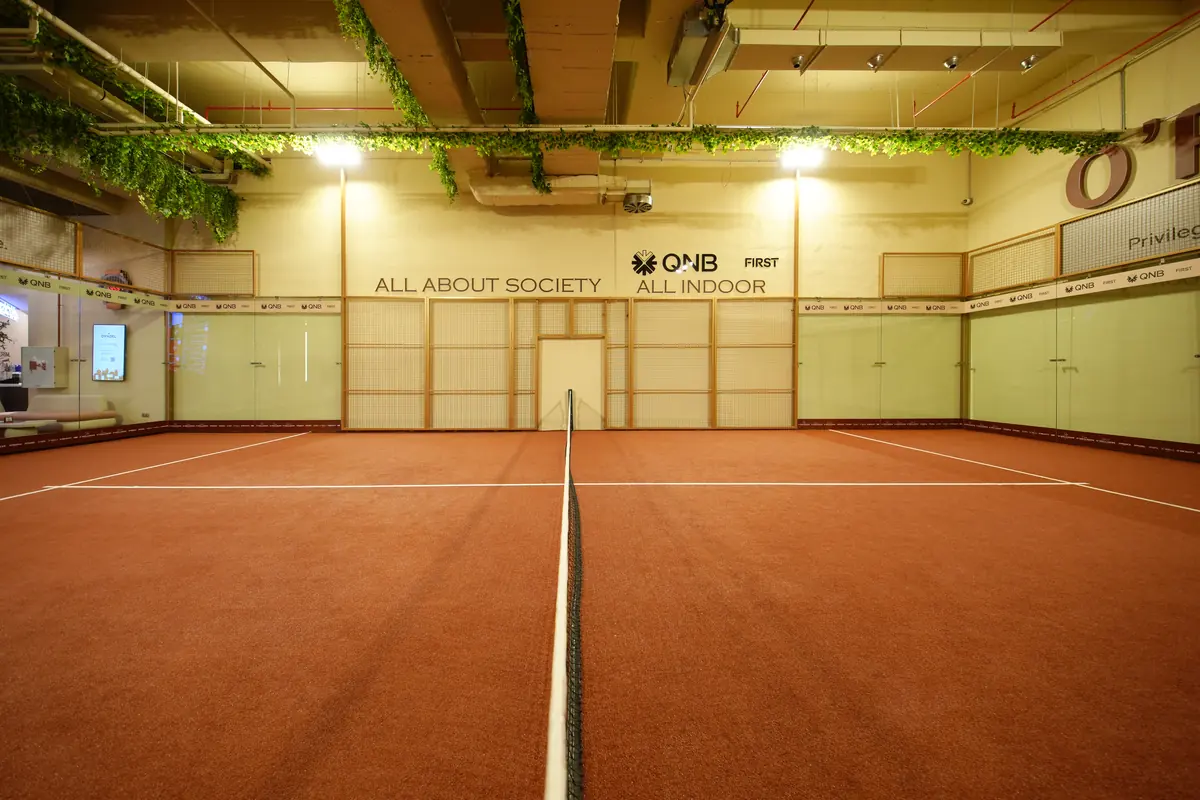
This shot is one of the techniques that improves fastest with repetition and feedback. In O’Padel Beytepe's indoor pickleball courts and and in our padel lessons,, instructors usually work on this strategy specifically in intermediate and advanced lessons. Exercises of dropping repeatedly to a specific spot let you quickly internalize the paddle angle and the use of the knees.
Ankara's indoor, windless court environment is especially advantageous when learning this delicate shot; because external factors don't change the ball's trajectory, it provides a consistent learning process.
Repetition exercises to improve the third shot drop
The most effective way to improve this technique is to practise the same shot over and over, aimed at a specific target zone. Repeating the serve-return-third shot drop sequence in succession with a partner or instructor builds muscle memory quickly. At first even getting the ball over the net can feel hard; over time both height and target accuracy improve noticeably.
Timing errors in the third shot drop
One of the most common mistakes on this shot is making contact too early or too late. Correctly predicting where the ball will drop and timing the shot accordingly is a skill that develops with repetition and experience. Beginners usually hit the ball early and lose control; so at the first stage, slowing down and waiting for the exact drop point of the ball gives more reliable results.
The difference between the third shot drop and the lob
Some players may prefer a high lob instead of the third shot drop; this is used as an alternative strategy that forces the opponent to retreat from the net. But if the lob is returned well, it also brings the risk of a smash. The third shot drop, being a safer and more consistent option, is adopted by most players as the default strategy.
How often should you use the third shot drop in a match?
Ideally, the serving team is advised to consider the drop option first on every third shot; because this is the most reliable way of winning the net advantage. Only if the opponent's return is clearly weak or they haven't settled at the net yet can a hard drive alternative be considered. Internalizing this decision mechanism makes a big difference in moving from intermediate to advanced level.
Being patient while learning the third shot drop
This technique is considered one of the hardest shots to learn in pickleball, because it requires the right power, the right angle and the right timing all at once. It's completely normal for beginners to make frequent errors on this shot in the first weeks. What matters is practising regularly without giving up; most players gain noticeable confidence in this shot after a few weeks of regular practice.
Applying the third shot drop in doubles
In doubles, the player hitting the third shot drop should expect their partner to move up to the net at the same time; if the two don't move together, the gap between them can quickly be exploited by the opponent. So this shot should be seen not just as an individual technique but as part of team coordination. Discussing and practising this transition with your partner beforehand gives smoother chemistry in matches.
The long-term payoff of learning the third shot drop
The time you invest in this technique transforms not just a single shot but the overall structure of your game. A player who becomes secure in the third shot drop now holds the net advantage in most rallies, which noticeably increases the overall winning rate. That's why for every player aiming to move up to intermediate level, this technique should be one of the priority areas of work.
The most common question when learning the third shot drop
The question new players most often ask about this technique is "how softly should I hit the ball?" The answer rests less on a precise number than on a target: the ball should be low enough that the opponent can't easily smash it, but at a height safe enough not to catch the net. Finding this balance takes time but improves quickly with regular practice.
Third shot drop variations at advanced level
Experienced players direct the third shot drop not to a fixed target but to a variable spot depending on the opponent's position. For example, if the opponent is standing very close to the net, dropping the ball a bit deeper can pull them back. Fine adjustments like this are the details that make a difference in top-level pickleball and are usually internalized through long match experience.
Third shot drop variations at advanced level
Experienced players direct the third shot drop not to a fixed target but to a variable spot depending on the opponent's position. For example, if the opponent is standing very close to the net, dropping the ball a bit deeper can pull them back. Fine adjustments like this are the details that make a difference in top-level pickleball.
The reward of being patient while learning the third shot drop
This technique may feel frustrating in the first weeks; the ball either catches the net or goes too high. But with regular repetition, within a few weeks this shot turns into one of the most reliable weapons in your game. You see the reward of patience most at the moment you start contesting the net on equal terms with the opponent.
The difference it makes to your game
Players who make the third shot drop reliable win the net advantage in the vast majority of rallies. This becomes one of the most decisive techniques in moving up to intermediate and advanced level. If you want to join the intermediate lessons in Beytepe to develop this strategy, contact page or our WhatsApp line you can reach us and plan your next session.
Frequently Asked Questions
It is a strategy where, on the third shot of the rally, the ball is dropped softly into the opposing team's kitchen zone, letting the serving team advance safely to the net.
This shot offsets the serving team's disadvantage at the back and gives them an equal position at the net.
If the opponent hasn't yet settled at the net or their return is weak, a hard drive can sometimes be a more effective option.
Exercises dropping repeatedly to a specific target spot and work with an instructor are the fastest way to improve.
Yes, the third shot drop is specifically worked on in the intermediate and advanced pickleball lessons at O'Padel Beytepe.



 Padel Courts
