
To tell whether your child is ready for padel, you can look at three things: basic motor skills (running, jumping, catching a ball), curiosity about sport and the capacity to follow instructions safely. Padel is an accessible racket sport for children, but starting prepared makes the first experience far more positive. In this article we look at the process of starting padel with a child from a parent's perspective, along with preparation before the first lesson.
Is there a right age to start padel?
There is no strict minimum age, but in practice most clubs start around ages 6–7. The kids' academy at O’Padel Beytepe covers ages 7–16. Around age seven, children's hand-eye coordination, balance and attention span reach a level sufficient for racket-and-ball activities.
Still, calendar age is not the only criterion. Two children of the same age can differ in development. So it's more accurate to ask “are they ready?” rather than “are they old enough?” For age-based details and the teaching approach, you can see the article what age should kids start padel . As for how the programme works, kids' padel academy .
Readiness checklist: three areas
1. Motor skills
It's a good sign if your child can do these basic movements comfortably:
- Catching and throwing a small ball with both hands
- Running while changing direction, stopping and starting again
- Standing on one foot for a few seconds
- Jumping with both feet from a standing position and landing under control
- Following an object with the eyes and aiming at it with the hand
They don't have to be perfect at all of these. Some of the missing skills develop in padel sessions anyway. But if the child struggles a lot with most of these movements, it may be healthier to start with general movement games first.
2. Interest and motivation
A child's willingness for padel matters more than technique. A willing child learns; an unwilling child quits the sport the more they're pushed. Look at the answers to these questions:
- Does the child show interest when watching racket sports?
- Do they like playing with a ball with friends or with you?
- Are they curious or resistant before going to a new activity?
Rather than forcing a reluctant child in, going to watch padel once as a family or doing a short trial lesson is a nice first step.
3. Safety and following instructions
Padel is played by four people in an area surrounded by glass and walls. The child needs to be able to listen to and apply the coach's safety instructions: looking around when swinging the racket, not hitting the ball while it is on the ground, being careful when running and changing direction on court. This skill develops with age; coaches provide a safe environment with simple rules even for seven- and eight-year-olds.
Is padel safe for kids?
When started at the right age, with the right equipment and under a coach's supervision, padel is a low-risk sport for children. The enclosed court, footwear suited to the surface and the use of a light racket are the main safety elements. Because a racket can hit someone else, court rules are taught from the start.
In addition, the most common problems in children are fatigue and overload. In growing children the musculoskeletal system is still maturing; a sudden increase in load and insufficient rest can cause muscle and joint pain. That is why one or two sessions a week are enough at the start. For general injury-prevention principles, the article padel injuries and prevention is useful; many of the principles apply to children too.
Preparation steps before the first lesson
A few simple preparations you can make before your child's first lesson help the experience go smoothly and enjoyably.
- Set expectations: Tell your child “today we'll try padel, the goal is to have fun.” Don't put pressure on results or performance.
- Clothing and shoes: Comfortable sportswear and sports shoes suited to the indoor court surface. For choosing shoes, you can see our padel shoe guide ; even in the first lesson, slippery-soled shoes are a choice to avoid.
- Water and snacks: Don't eat a heavy meal before the session; a light snack and water are enough.
- Racket: To start with, you can use the racket rental option. It is wise to see your child's interest before buying a personal racket. If you decide to buy, junior racket models the article will guide you.
- Timing: Pick a time when your child isn't sleepy or hungry. For children who are tired right after school, a weekend morning may be more suitable.
What happens in the first lesson?
Unlike an adult lesson, a kids' lesson is play-focused. In the first session the coach meets the child, plays a short warm-up game and tries first hits with a soft ball and short racket. The goal is for the child to feel a sense of success at their first contact with the ball. There are very few technical corrections; the main aim is for the child to want to come to the next lesson.
As a parent, it's best to stay calm at the side of the court, not give instructions and let the child build a natural relationship with the coach. When the child can't do something, wait a little before stepping in; often the child finds their own solution or the coach steps in. After the trial session, you can talk through the experience by asking the child open-ended questions like “how did it go, what did you like most?”
What might be signs they're not ready?
A child may not be ready for padel right away, and that's not a problem. These situations are signs you might say “let's wait a little longer”:
- They struggle excessively to concentrate during the session and can't keep up the activity.
- They experience intense anxiety in unfamiliar settings or groups.
- They have clear difficulty with basic movements like catching and throwing a ball.
- They clearly don't want the sport and resist when pushed.
In these cases, starting with ball games at home or in the park and trying again after a while is a good approach. Forcing can lead the child to form a negative relationship with sport; waiting and trying at the right time gives much more productive results.
Realistic expectations by age period
Another side of the readiness question is expectation. Knowing what your child can achieve at their age protects both you and your child from needless disappointment.
- Ages 7–8: Getting the ball over, trading a few shots and playing games with movement. Score counting and tactics are not goals at this stage.
- Ages 9–11: Starting controlled rallies with forehand and backhand, learning the basic form of the serve, keeping simple score in mini matches.
- Ages 12–14: Understanding glass use, learning doubles positioning, getting into shots like the lob and volley.
- Ages 15–16: Tactical play, fitness work and, for teens who want it, tournament experience.
This list is not a race chart. Some children pass a step faster, others slower; what matters is letting each child progress at their own pace. At the first observation, the coach determines the child's actual level and tells you clearly what to expect.
Preparation outside the session: sleep, nutrition and screen time
A child's padel performance isn't determined on court alone. Sleep, nutrition and daily movement routines directly affect energy and learning capacity in the session. Small adjustments in these three areas make a big difference.
Sleep: School-age children are generally considered to need nine to eleven hours of sleep a night. A child who has slept enough the night before a session plays with more focus and a lower risk of injury.
Nutrition: A light, carbohydrate-based meal one to two hours before the session, such as fruit, toast or yoghurt, supports energy. Very sugary drinks give short-term energy and can cause a crash afterwards; water is the best choice during the session. After the lesson, a snack with protein and carbohydrates supports recovery. Our club's healthy drink options in the lounge area healthy menu options can also be a practical solution for families.
Screen time: Excessive screen use can reduce a child's desire for physical activity. Making sports sessions a fixed part of the weekly routine helps balance screen time and movement.
Ways to keep motivation alive
Children's interest in sport naturally fluctuates. A child who is excited in the first weeks may say “I'm bored” after a while. This is normal and often a temporary phase. To keep motivation alive, these methods work:
- Set small, achievable goals; for example, “three serves in a row this week.”
- Encourage them to come with a friend; social connection is a strong source of motivation for children.
- Celebrate success, but focus on effort rather than outcome.
- Ask for session variety; talk to the coach and add different formats like games and mini tournaments.
- Give the child a say: which day, which time, sometimes which activity.
If the child stays unwilling for a long time, taking a break or trying another sport is also a legitimate decision. Sport should add joy to a child's life; it shouldn't be a burden.
Playing together as a family
One of the strongest ways to increase a child's interest in padel is for the parent to take part too. Playing together on the same court brings sports culture into the family. For a child who isn't quite ready yet, pickleball can also be an easy entry; the court is smaller and the pace slower. Pickleball for families we covered this option in detail in our article; pickleball page you can also see the indoor courts and paddle rental options.
Whether padel or pickleball, respecting the child's preferences and letting them try both gives them the freedom to choose their own sport. For a weekend family programme at Beytepe, weekend padel in Ankara the article may give you ideas.
What should you expect over a few months?
After the first trial lesson comes the decision point: continue or pause? The first four to eight weeks are enough time to see how the child fits the sport. In this period most children start getting the ball over, understand the basic rules and come to sessions willingly. Progress is fast in some children and slow in others; what matters is the trend.
After three months, the child's excitement before sessions, attachment to the coach and friends, and small successes on their own show that the programme is on the right track. The monthly progress report and short conversations with the coach make your decision easier. If you're not sure enough, continuing the programme for another term and reassessing is a reasonable path.
Starting with your child at Beytepe
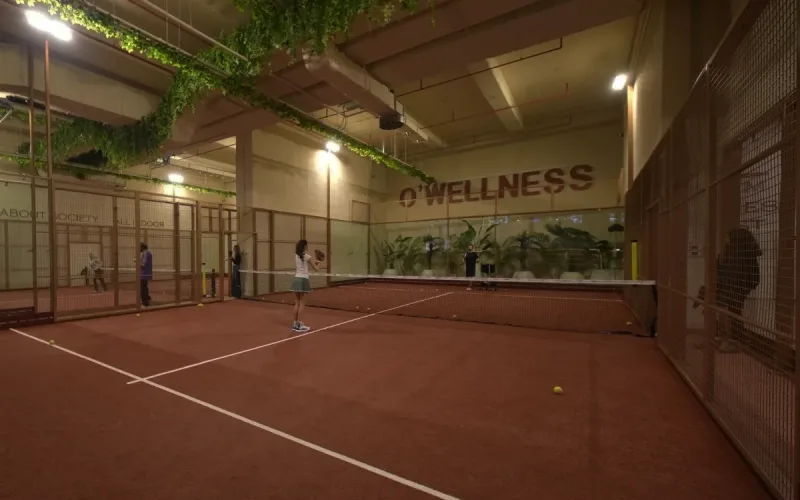
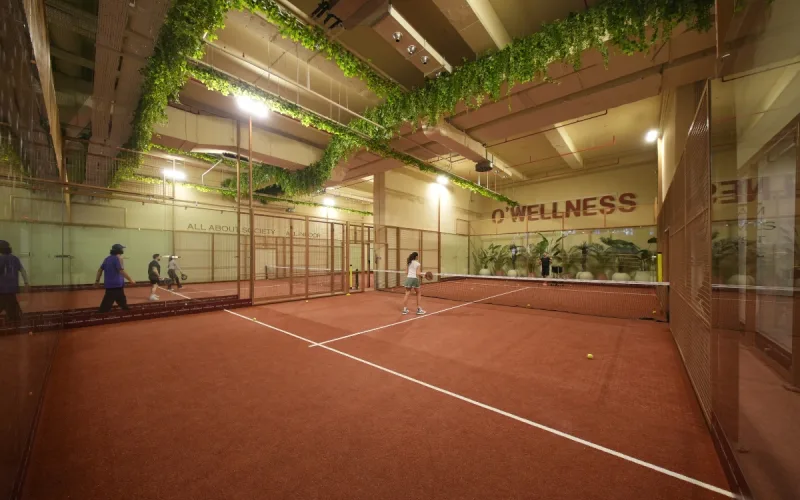
The indoor, climate-controlled courts at O’Padel Beytepe offer children a constant and safe environment. While Ankara’s dry air and cold winters make outdoor sessions difficult, the indoor court makes regular training possible regardless of the weather. Access is easy for families around the Hacettepe Beytepe Campus, Ümitköy, Çayyolu or Koru.
To see the programmes, padel lessons page you can take a look. For your child's first session, we recommend a trial lesson: it is a suitable opportunity to see how your child fits in and for the family to ask their questions.
Conclusion and booking
You can assess whether your child is ready for padel through their motor skills, interest and safety awareness. If they're ready, starting with a trial lesson makes sense; if not, waiting a little longer or warming them up with pickleball are reasonable options. You can plan a trial lesson by messaging our WhatsApp line with your child's age and available days; for details, just see the contact page . Membership is not required and you can cancel for free up to 24 hours in advance.
Frequently Asked Questions
There is no strict minimum; most children start around age 6–7. The O'Padel Beytepe children's academy covers ages 7–16. Besides age, developmental level also matters.
Basic motor skills (catching a ball, running while changing direction), interest in sport and the ability to follow safety instructions are good indicators.
With the right age, a light racket, the right shoes and a coach's supervision, padel is a low-risk sport. One or two sessions a week are enough at the start.
No, racket rental is available. After seeing your child's interest, you can buy a suitable junior racket.
Without forcing, you can build movement skills with ball games, warm them up with a slower-paced option like pickleball, and try again after a few months.


 Padel Courts
