
Padel for over 50s is a safe and sustainable form of exercise thanks to its low impact, short court distances and social structure. With correct technique and a gradual start, many people in this age group turn padel into a long-term activity. These features of the sport make it an activity that people newly discover, rather than give up, as they get older.
In this article we explain the health benefits of padel for those aged 50 and over, what to watch for, and the starting options suited to this age group in Beytepe.
Why is padel popular in this age group worldwide?
In countries where padel is well established, such as Spain, Argentina and Mexico, middle-aged and older players are among the sport’s most loyal followers. This interest comes from the sport’s requiring less physical endurance than tennis and the social nature of the four-player game.
In Türkiye too, with the rapid spread of padel, the share of players aged 50 and over at clubs is steadily rising. Facilities with indoor, climate-controlled courts like Beytepe contribute to this growth by making it easier for this age group to play regularly all year round.
Why is padel a suitable sport for people over 50?
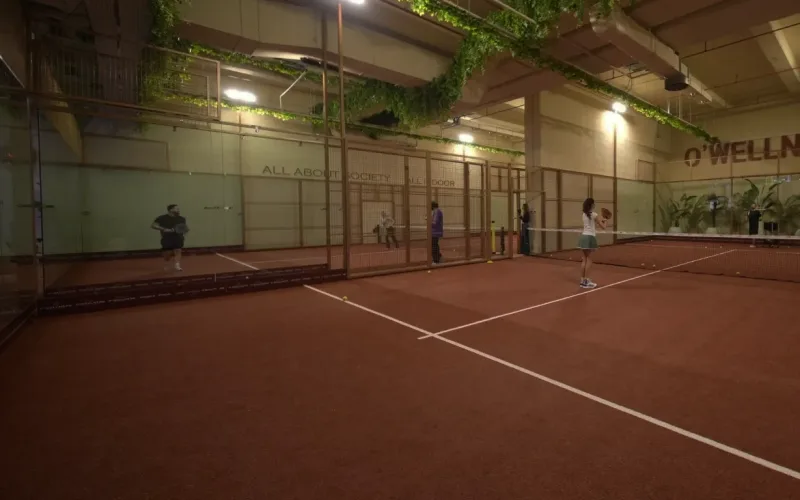
The small dimensions of the padel court (20×10 metres) require far less running distance than tennis. This reduces the total load on the joints while still providing meaningful cardiovascular and muscle activity. The short racket and slow bounce make it easy to adapt to the technique quickly.
In addition, padel’s four-player, social structure makes it easier to stay motivated compared with exercising alone; this is an important factor supporting regular participation.
The advantages of padel for joint health
Compared with high-impact sports such as running, padel offers softer contact on landings thanks to its combination of artificial turf and sand surface. This can help reduce the repeated impact load on the knee and hip joints.
Still, because there are sudden changes of direction in padel, having a strong base of leg and abdominal muscles is important for maintaining joint stability. Regular stretching and light strength work are complementary habits that support this stability.
Contribution to cardiovascular and muscle health
A padel match played at a moderate tempo keeps heart rate in a healthy range and supports cardiovascular endurance. The contribution of regular moderate-intensity activity to heart and vascular health in this age group is a generally accepted finding.
Padel also works the leg, hip and shoulder muscles, helping to preserve muscle mass; this is a health priority that becomes more important with age. You can find more on this topic in our article on the calorie and health benefits of playing padel
What to watch for when starting out?
- Gradual start: Spending the first few sessions at a low tempo with a technique focus lets the body adapt to the new movement.
- The right shoes: Shoes with strong lateral support and multi-directional grip are important for ankle and knee safety.
- Warm-up and cool-down: A dynamic warm-up and light stretching after the match support muscle and joint health.
- Health check: People with cardiovascular conditions or joint problems are advised to consult their doctor before starting to play regularly.
Adult beginner groups in Beytepe
In O’Padel Beytepe's padel lessons, adult beginner groups adjust the teaching tempo to the needs of this age group. Group lessons offer both technical learning and socialising with people who share similar goals.
For those who prefer one-to-one lessons, there is a format in which the instructor can focus entirely on an individual pace; this can be preferred especially where a particular health condition needs attention. In both formats, instructors flexibly adjust tempo and content to the participant’s experience level and physical condition.
The social dimension: you are not alone
For many people aged 50 and over, one of the most valuable aspects of padel is that it offers a chance to build a new social circle. The monthly Americano events in Beytepe make it easy to meet players from different age groups and build a regular circle of playing partners.
On our tournaments page The women’s and mixed tournaments included also let players in this age group play in a competitive but low-pressure environment.
Balance and reducing fall risk
As we age, maintaining balance and reaction speed becomes an increasingly important issue for quality of daily life. The sudden changes of direction and short-distance movements in padel are a practical way to train these skills regularly in a controlled environment.
Playing on indoor courts with regularly maintained surfaces reduces unpredictable risk factors such as slipperiness. The indoor courtsin Beytepe offer a safe environment in this respect, thanks to both surface quality and stable indoor conditions.
Mental sharpness and social connection
Padel requires staying active not just physically but mentally; ball tracking, positioning decisions and tactical choices demand constant mental engagement. This kind of cognitive activity is a benefit whose value grows with age.
A sport played regularly is also an effective way to reduce social isolation. Groups of over-50s who play regularly within the community in Beytepe build strong friendships over time, and this supports both motivation and overall quality of life.
Padel within the family: a cross-generational activity
Padel’s four-player structure lets different age groups play together happily on the same court. A grandmother or grandfather can play on the same court with their children and grandchildren; it is one of the rare sports that combines physical activity and family time.
This kind of cross-generational play usually takes place in an enjoyment-focused rather than competitive format, where each age group can contribute at its own pace.
Recovery: do not neglect recovery
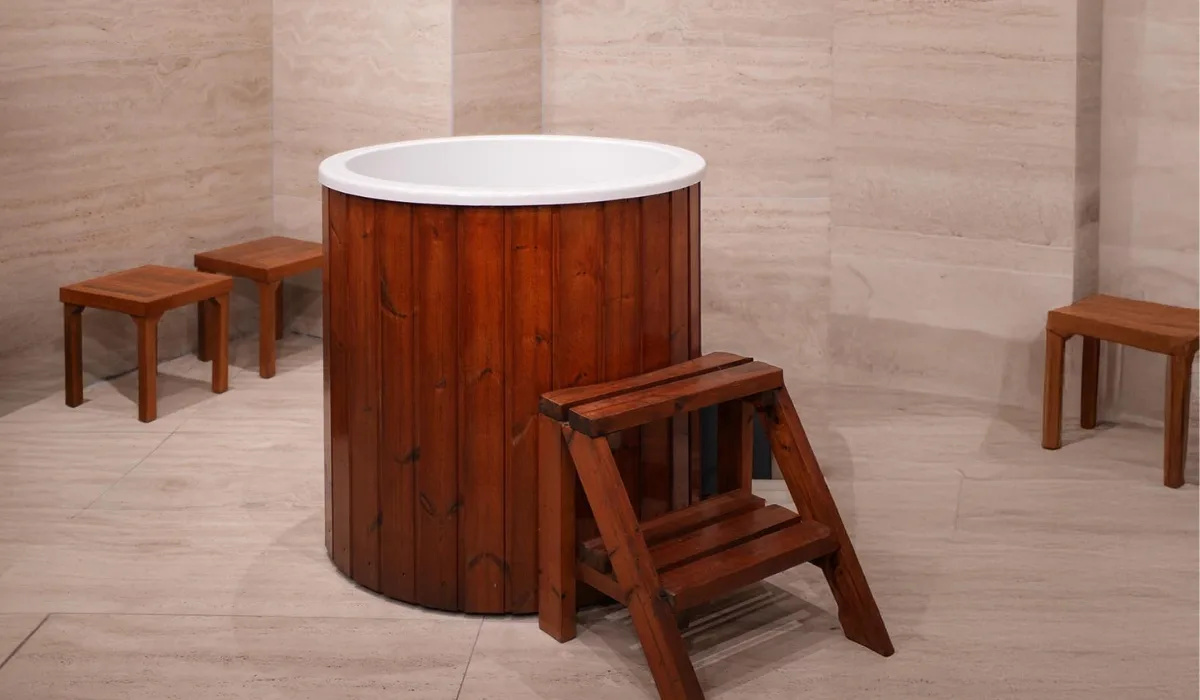
As we age, the recovery time of muscles and joints can naturally lengthen a little. So taking time for a post-match recovery routine is valuable for being able to keep playing regularly. In the area in the same O’Wellness Beytepe complex, area using facilities such as the sauna, steam room and light stretching can help reduce muscle fatigue.
Building your weekly routine by planning a court session and a recovery session together supports both your performance and your long-term sustainability. This holistic approach becomes a habit that positively affects not only performance on court but also quality of daily life.
Physical preparation: supportive work off court
Light strength and flexibility work done off court is of great benefit in supporting performance and safety on court. Simple exercises that strengthen the hip, abdominal and leg muscles in particular increase joint stability during sudden changes of direction.
Light weight work or resistance band exercises done once or twice a week can noticeably increase endurance on court. For a more detailed programme on this, strength training for padel article.
Gradual progress: setting realistic expectations
For a new player aged 50 and over, adopting a consistency- and enjoyment-focused approach rather than expecting rapid technical progress in the first few months makes for a healthier process. Making a little progress in each session is the key to building a sustainable habit in the long run.
Some players start by playing once a week in the first months and increase this frequency as their body adapts over time. This gradual approach both reduces injury risk and maintains motivation in the long term.
Doctor’s approval and informing in advance
If you have a chronic condition (such as high blood pressure, a joint replacement or a heart condition), it is important both to get your doctor’s approval and to tell your instructor in advance. This information helps adapt the lesson flow and tempo management to suit you.
The instructor team in Beytepe can personalise the lesson plan taking such individual needs into account; this forms the basis of a safe and enjoyable learning process.
When should you be careful?
Although padel is generally a safe sport, if you have a pre-existing joint problem, a cardiovascular condition or a recent operation, you must consult a health professional before starting to play regularly. When you feel pain, stopping and resting rather than pushing through is always the better choice for your long-term health. Listening to the signals your body gives is the most basic rule for being able to keep playing in this age group.
If you want to learn more about injury risks and ways to prevent them, see our article on padel injuries article.
A special note for women
For women players over 50, padel is a valuable activity both physically and socially. Racket sports such as padel are among the regular, moderate-intensity exercise suggestions that may help maintain bone density during menopause; this is an observation consistent with the generally accepted exercise-bone health relationship.
The women’s tournaments and group lessons held in Beytepe let women players in this age group have both technical progress and a strong community experience.
Padel as a long-term habit
For many people who discover padel after 50, this sport turns not into a short-lived curiosity but into a habit that lasts for many years. The sport’s low barrier to entry, social structure and joint-friendly features make staying active sustainable even at later ages.
Approached with this long-term view, rather than getting stuck on the difficulties of the first few weeks, focusing on the physical and social gains you will get by playing regularly in the coming years offers a more motivating framework.
Conclusion: age is not a barrier, it is a starting point
Padel offers an activity that is valuable both physically and socially for those aged 50 and over. With the right start, suitable equipment and regular recovery, this sport can turn into a long-term habit.
If you would like to join the adult beginner groups in Beytepe or take a trial lesson, reach us on our WhatsApp line .
Whether you are someone who has not exercised for years or you are switching to padel from another racket sport, the first step you take in this age group will be a valuable investment in both your present and future health.
Frequently Asked Questions
Yes, with correct technique and a gradual start, padel is generally a safe sport for this age group thanks to its low impact.
Many people with mild joint problems can play padel after consulting their doctor; the court’s small size and soft surface help reduce the load on the joints.
Group lessons offer a chance to socialise, while one-to-one lessons may suit those who want to focus on an individual pace.
Wearing the right shoes, warming up and cooling down regularly, and stopping to rest when you feel pain are the basic points to watch.
You can contact us on our WhatsApp line to find out about suitable lesson times and group options.



 Padel Courts
